In industrial production, water is an indispensable resource. Sectors such as power generation, chemical manufacturing, steel production, petroleum, pharmaceuticals, and machinery manufacturing all require large volumes of industrial water for cooling, heating, cleaning, and various process operations. However, natural water and industrial circulating water typically contain calcium, magnesium, chloride ions, sulfates, and other dissolved substances. Under certain conditions, these substances can form scale, while dissolved oxygen, salts, and other corrosive components in the water can damage metal equipment.
Over long periods of operation, the inner walls of pipelines, heat exchangers, cooling towers, and other equipment may suffer from corrosion, scaling, and sedimentation. This not only disrupts the normal operation of the equipment but also reduces heat exchange efficiency, leading to increased energy consumption and higher maintenance costs. To manage these issues, corrosion and scale inhibitors are commonly used in industrial water treatment processes.
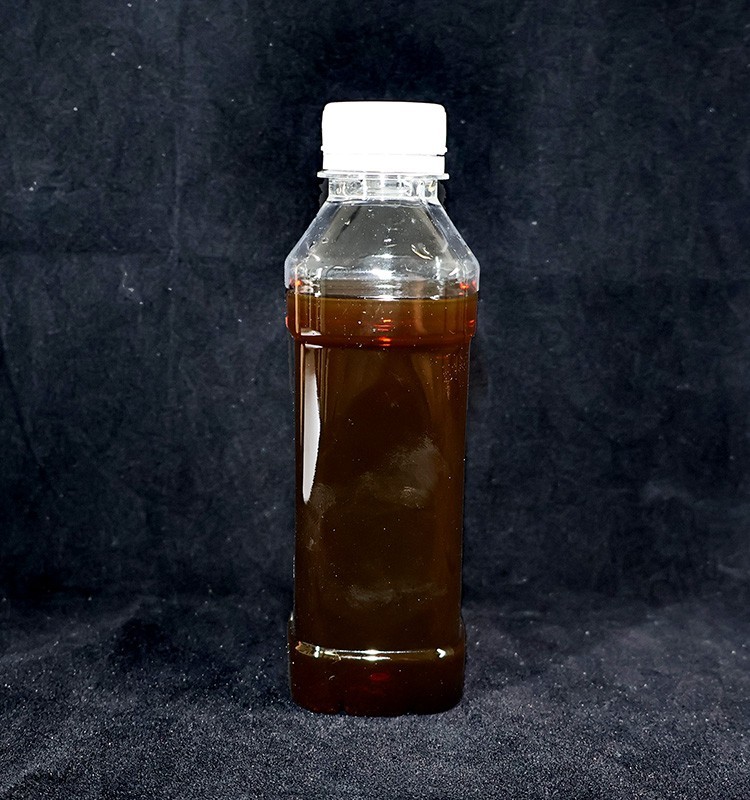
Corrosion and scale inhibitors are a category of functional chemical agents used in industrial water treatment, designed primarily to slow down metal corrosion and control the formation of inorganic mineral scale.
Corrosion inhibition refers to the process of reducing the corrosion rate of metal materials through chemical means. In industrial water systems, metals such as carbon steel, stainless steel, and copper alloys are in constant contact with water, exposing them to the effects of dissolved oxygen, pH levels, chloride ions, and other chemical substances. Corrosion inhibitors can mitigate the risk of corrosion by forming protective films or altering the electrochemical reactions occurring on metal surfaces.
Scale inhibition focuses on preventing minerals like calcium and magnesium from forming insoluble salt deposits. For instance, when calcium ions and carbonate ions in the water reach specific concentrations, they can form calcium carbonate crystals, which then adhere to the surfaces of pipelines, heat exchangers, and other equipment. Scale inhibitors interfere with the formation and growth of these crystals, thereby reducing scale accumulation.
Corrosion and scale inhibitors are typically formulated by combining corrosion-inhibiting components with scale-inhibiting and dispersing agents, allowing the product to perform both functions effectively under the intended operating conditions. It should be noted that not all corrosion inhibitors possess scale-inhibition properties, nor can all scale inhibitors effectively protect metals. Industrial users should select products with the appropriate performance characteristics based on actual water quality and equipment operating conditions.
Organophosphonic acids are a common type of scale-inhibiting component used in industrial circulating cooling water treatment; some products also provide a degree of auxiliary corrosion inhibition.
- 1-Hydroxyethylidene-1,1-diphosphonic acid (HEDP)
- Amino trimethylene phosphonic acid (ATMP)
- Ethylenediamine tetra(methylene phosphonic acid) (EDTMP)
- Diethylenetriamine penta(methylene phosphonic acid) (DTPMP)
These compounds contain phosphonic acid groups, which can form complexes with metal ions—such as calcium and magnesium—present in the water. They also interfere with the crystallization process of certain sparingly soluble salts through the "threshold effect." The threshold effect refers to the ability of these agents to inhibit the formation and growth of crystals at relatively low concentrations, without requiring the complete removal of all scale-forming ions from the water.
HEDP is frequently used in circulating cooling water treatment formulations and is effective at controlling calcium carbonate deposits. ATMP exhibits strong metal-ion complexing capabilities and can be utilized in industrial water treatment depending on the specific formulation. EDTMP and DTPMP are employed for various scale-inhibition and complexing applications, depending on the product design. The advantages of organophosphonic acid-based components include excellent scale-inhibition performance, a broad range of applications, and compatibility with polymeric dispersants and other corrosion-inhibiting agents.
However, the actual performance of organophosphonic acid-based agents can be influenced by factors such as water temperature, pH, calcium ion concentration, alkalinity, and the presence of other water treatment chemicals. For some products, it is also necessary to consider phosphorus content and wastewater discharge regulations.
Polycarboxylic acid-based agents represent another common category of components in industrial water treatment formulations; they are primarily used to control scale formation and disperse suspended particles. Common examples include polyacrylic acid (PAA), hydrolyzed polymaleic anhydride (HPMA), and various acrylic-based copolymers. These agents typically contain multiple carboxyl functional groups, which can influence the crystallization process of inorganic salts through mechanisms such as adsorption, complexation, and the disruption of crystal growth. A key characteristic of polycarboxylic acid-based agents is their excellent dispersing capacity. In industrial circulating water systems, in addition to dissolved minerals like calcium and magnesium, there may also be silt, corrosion products, and other suspended particles. If these particles continue to aggregate, they can easily form deposits that adhere to the inner surfaces of equipment and piping. Polycarboxylic acid-based dispersants help keep these particles in a dispersed state, thereby reducing the risk of aggregation and sedimentation.
In practical applications, polycarboxylic acid-based agents are frequently used in combination with organic phosphonic acids. By leveraging the distinct roles of each component—such as crystal growth inhibition, complexation, and dispersion—the overall scale-inhibition performance of the formulation can be enhanced. It should be noted that because different polymers vary in terms of molecular weight, structure, and functional group composition, their scale-inhibition capabilities and optimal operating conditions also differ.
Phosphates represent one of the earliest types of corrosion inhibitors used in industrial water treatment, primarily consisting of orthophosphates and polyphosphates.
Under appropriate water quality conditions, orthophosphates can participate in the formation of a protective film on metal surfaces, thereby reducing the corrosion rate of certain metallic materials. Polyphosphates, meanwhile, offer complexation and auxiliary scale-inhibition properties, serving various functions depending on the specific water treatment formulation. Typically, phosphates are not relied upon exclusively for total system corrosion and scale control; rather, they are used in conjunction with other corrosion inhibitors, scale inhibitors, and dispersants.
For instance, in certain circulating cooling water systems, phosphates may be incorporated into a corrosion-inhibition formulation alongside organic phosphonic acids and polymeric dispersants. However, the use of phosphates requires careful consideration of water quality and environmental conditions; for example, if the concentration of calcium ions in the water is high, phosphates may form poorly soluble precipitates. Furthermore, the discharge of phosphorus-containing wastewater may be subject to environmental regulations. Therefore, when selecting phosphate-based agents, it is necessary to comprehensively consider the system's water quality, formulation compatibility, and discharge requirements.
Zinc-based agents are another common type of corrosion inhibitor used in industrial circulating cooling water treatment; typical products include zinc sulfate. Under appropriate conditions, zinc ions can participate in the formation of a protective deposit film on metal surfaces, thereby helping to reduce the corrosion rate of materials such as carbon steel. Zinc salts are generally used in combination with organic phosphonic acids, polymeric dispersants, or other corrosion-inhibiting components, rather than being used alone in every system. The application of zinc-based agents requires careful monitoring of zinc levels in the water. Since zinc is a metal element subject to discharge controls, its use must be managed by considering factors such as make-up water volume, the concentration ratio of the circulating water, blowdown methods, and wastewater treatment capacity.
Molybdates are a class of inorganic compounds that act as corrosion inhibitors, with sodium molybdate being a common example. Under suitable water quality conditions, molybdates can participate in the formation of a protective film on metal surfaces, slowing down the rate of metal corrosion. Molybdates are frequently used in certain closed-loop circulating water systems and in industrial equipment that requires a high level of corrosion control. They may also be combined with other corrosion-inhibiting components to enhance overall anti-corrosion performance. The application of molybdate-based agents requires consideration of costs, water quality adaptability, and formulation compatibility. Their actual corrosion-inhibiting effectiveness is closely related to the water's pH value, dissolved oxygen content, the type of metal, and the presence of other chemical constituents.
Compound corrosion and scale inhibitors are a common product form in the industrial water treatment market. Such products are typically not single chemical substances, but rather mixtures composed of various functional components. Depending on specific application requirements, the formulation may include organic phosphonic acids, polycarboxylic acids, corrosion inhibitors, dispersants, and other auxiliary agents. Through the synergistic effect of these different components, they help control metal corrosion, the deposition of inorganic salts, and the aggregation of suspended particles. For instance, in industrial circulating cooling water systems, calcium ions in the water can form calcium carbonate scale, while carbon steel piping may be susceptible to damage from dissolved oxygen and salts present in the water. In such cases, a multi-functional compound formulation—offering corrosion inhibition, scale inhibition, and dispersion—can more effectively address the various challenges within the system. The advantage of these compound products lies in the ability to tailor the formulation to specific water quality and equipment requirements, enabling industrial users to establish a comprehensive water treatment strategy.
However, compound corrosion and scale inhibitors from different manufacturers can vary significantly in terms of composition and performance. When procuring these products, one should not rely solely on the product name to gauge quality; it is essential to review technical data sheets and understand the product's intended scope of application as well as its actual test results.
Metal corrosion is typically associated with electrochemical reactions. In an aqueous environment, anodic dissolution and cathodic reactions can occur on metal surfaces, leading to the gradual formation of corrosion products. Certain corrosion inhibitors can adsorb onto metal surfaces or promote the formation of a protective film, thereby reducing direct contact between the corrosive medium and the metal substrate. Depending on the type of chemical agent and the operating conditions, this protective film may consist of metal oxides, hydroxides, or deposits containing corrosion-inhibiting components.
When this protective film remains intact and stable, it can effectively reduce the rate of metal corrosion.
The formation of scale generally involves processes such as nucleation, crystal growth, and surface deposition. Taking calcium carbonate as an example: when calcium ions and carbonate ions in the water reach certain conditions, they can form tiny crystals. As these crystals grow and aggregate, they may eventually adhere to the surfaces of pipes and heat exchangers. Scale inhibitors can adsorb onto the active growth sites of these crystals, interfering with their continued growth and preventing the formation of a dense scale layer.
While this process slows down the rate of scale formation, it does not mean that minerals such as calcium and magnesium are completely removed from the water.
Certain scale-inhibiting components can form complexes with metal ions—such as calcium and magnesium—thereby altering the state in which these ions exist in the water. Through this complexation process, the formation and deposition of various poorly soluble salts can be effectively managed. However, complexation is constrained by factors such as the concentration of the chemical agent, the concentration of metal ions, and the specific water quality conditions; it should not be assumed that this process can eliminate scale-forming substances from water indefinitely or in unlimited quantities.
Industrial water systems often contain silt, corrosion products, and other suspended particles. If these particles aggregate, they can form deposits that clog pipelines or impair the operation of heat-exchange equipment. Certain polymeric dispersants can adsorb onto the surfaces of these particles, reducing their tendency to aggregate and maintaining them in a relatively stable, dispersed state. This dispersion effect helps minimize the accumulation of deposits on equipment surfaces.
Industrial recirculating cooling water systems represent a major application area for corrosion and scale inhibitors. In sectors such as steel, chemical manufacturing, power generation, papermaking, and mechanical engineering, recirculating cooling water is primarily used to remove heat generated by production equipment and industrial processes. As the cooling water circulates, a portion of it evaporates, causing the concentration of dissolved salts to rise. Once substances like calcium salts reach a certain threshold, they tend to form scale. Furthermore, dissolved oxygen and other corrosive agents present in the circulating water can damage metal equipment.
The appropriate use of corrosion and scale inhibitors can reduce the risk of scale deposition—such as calcium carbonate—and mitigate the corrosion of metal piping and heat-exchange equipment.
During long-term operation, if boiler feedwater contains high levels of scale-forming ions like calcium and magnesium, scale may accumulate on heat-transfer surfaces. Such scale hinders heat transfer, reduces boiler operating efficiency, and can even lead to issues like localized overheating. Boiler water treatment typically involves measures such as softening, reverse osmosis, deoxygenation, blowdown, and the application of specialized water treatment chemicals. It is important to note that boiler systems impose stringent requirements regarding both water quality and the performance of the chemical agents used. Corrosion and scale inhibitors designed for general circulating cooling water systems cannot directly replace water treatment chemicals formulated specifically for boilers. The selection of products must be based on the boiler's pressure rating, feedwater quality, and relevant operational standards.
During the extraction, transportation, and processing of oil and natural gas, equipment and pipelines may come into contact with media containing mineral salts, carbon dioxide, hydrogen sulfide, and other corrosive substances. These substances can cause metal corrosion and lead to the formation of deposits such as carbonates and sulfates. In the oil and gas industry, the selection of appropriate corrosion and scale inhibitors depends on factors including the composition of the medium, temperature, pressure, flow rate, and the materials used in the equipment.
For complex oilfield water or produced water, it is generally necessary to conduct water sample analysis and formulation testing to verify the actual suitability of the products.
Heat exchangers and condensers are widely used in industries such as chemical manufacturing, power generation, food processing, and machinery production. The formation of scale or corrosion product deposits on the internal surfaces of this equipment can reduce heat transfer efficiency and increase energy consumption. As part of a comprehensive water treatment strategy, corrosion and scale inhibitors can help mitigate the buildup of inorganic salts and metal corrosion, thereby maintaining more stable equipment operation.
In cases where significant scale has already formed, professional cleaning—tailored to the specific nature of the deposits—is typically required; simply increasing the dosage of corrosion and scale inhibitors will not resolve the issue.
Large-scale facilities such as shopping malls, office buildings, hospitals, hotels, and industrial plants often utilize central air conditioning cooling systems. During long-term operation, cooling towers and circulating water piping are susceptible to issues like scaling, corrosion, and microbial growth. While corrosion and scale inhibitors can help control metal corrosion and the deposition of inorganic salts, they cannot serve as a substitute for biocides (algaecides/bactericides). In practice, an effective water treatment program usually integrates water quality monitoring, filtration, blowdown (draining), and microbial control measures.
(1) Control the dosage concentration. An insufficient dosage of a chemical agent may fail to achieve the desired effect, while an excessive dosage can increase costs and lead to issues regarding water quality, chemical compatibility, and discharge compliance. Actual dosage levels should be determined based on product instructions, system water quality, and on-site test results.
(2) Monitor water quality regularly. Changes in water temperature, pH, hardness, alkalinity, or electrical conductivity can affect the performance of corrosion and scale inhibitors. Relevant parameters should be monitored periodically based on the system's operating conditions.
(3) Avoid arbitrary mixing of chemical agents. Different chemicals may react with one another; in particular, certain corrosion inhibitors may be incompatible with oxidizing biocides. Always follow the supplier’s recommendations regarding dosing methods and the sequence of chemical addition.
(4) Prioritize equipment maintenance. Corrosion and scale inhibitors are primarily intended for the prevention and control of corrosion and scaling; they cannot entirely replace equipment cleaning, filtration, or routine inspection and repair. Appropriate maintenance measures must be taken to address any existing, significant deposits.
(5) Comply with safety and environmental regulations. The storage, handling, and dosing of these products must adhere to the Safety Data Sheet (SDS) and on-site safety protocols. Furthermore, if a product contains phosphorus, zinc, or other substances subject to discharge controls, ensure compliance with local wastewater treatment and discharge standards.
The most commonly used corrosion and scale inhibitors are not single, fixed chemical substances, but rather product systems composed of various water-treatment components. Organic phosphonic acids and polycarboxylic acids are widely used in industrial anti-scaling formulations, while phosphates, zinc salts, and molybdates may be employed for metal corrosion control, depending on specific conditions. Multi-component (composite) inhibitors combine the functions of various ingredients, meeting the dual requirements for corrosion and scale prevention in many industrial systems. For industrial enterprises, selecting the appropriate corrosion and scale inhibitor requires a comprehensive assessment of water composition, equipment materials, operating temperatures, system type, and environmental requirements. Through scientific analysis, informed selection, and continuous monitoring, the risks of metal corrosion and scale deposition can be effectively mitigated, thereby extending the service life of equipment.

 E-mail:jcl@jichanglong.com
 WhatsApp:+8618560709619
 Address:Block B, Polymer Materials Industry Innovation Park,No. 51, Lutai Avenue, High-tech Zone, Zibo City, Shandong Province
Our company specializes in vanadium inhibitors , dehumidification and drying block, calcium hypochlorite disinfectant tablet, polyacrylamide and other products. With over 20 years of experience, we offer quality assurance and wholesale prices.


