Are you curious about a magical potion that can prolong the life of metal devices in harsh environments and prevent the rampant growth of scale? The answer is corrosion and scale inhibitors! It is a special chemical substance that can exert tremendous effects when present in an appropriate concentration and form in environmental media. On the one hand, it can prevent or slow down the corrosion rate of metals, protecting the physical, chemical, and mechanical properties of metal materials; On the other hand, it can disperse insoluble inorganic salts in water and avoid sedimentation and scaling on metal surfaces. So, how does it actually achieve these magical functions? Let's unveil the mysterious veil of corrosion and scale inhibitors together.
Corrosion and scale inhibitors are chemical agents widely used in the field of industrial water treatment, which have two key functions: corrosion inhibition and scale inhibition. Corrosion inhibition function refers to the ability of the agent to form a protective film on the surface of the metal, preventing or slowing down the chemical reaction between the metal and the corrosive medium in the surrounding environment, thereby reducing the corrosion rate of the metal and extending the service life of the metal equipment. The scale inhibition function is to prevent various inorganic salts dissolved in water from crystallizing and precipitating on metal surfaces or other heat transfer surfaces, forming hard scale. The accumulation of scale can lead to a series of problems such as decreased heat transfer efficiency, equipment blockage, and increased energy consumption. However, corrosion and scale inhibitors can effectively inhibit the formation of scale and maintain the normal operation of equipment.
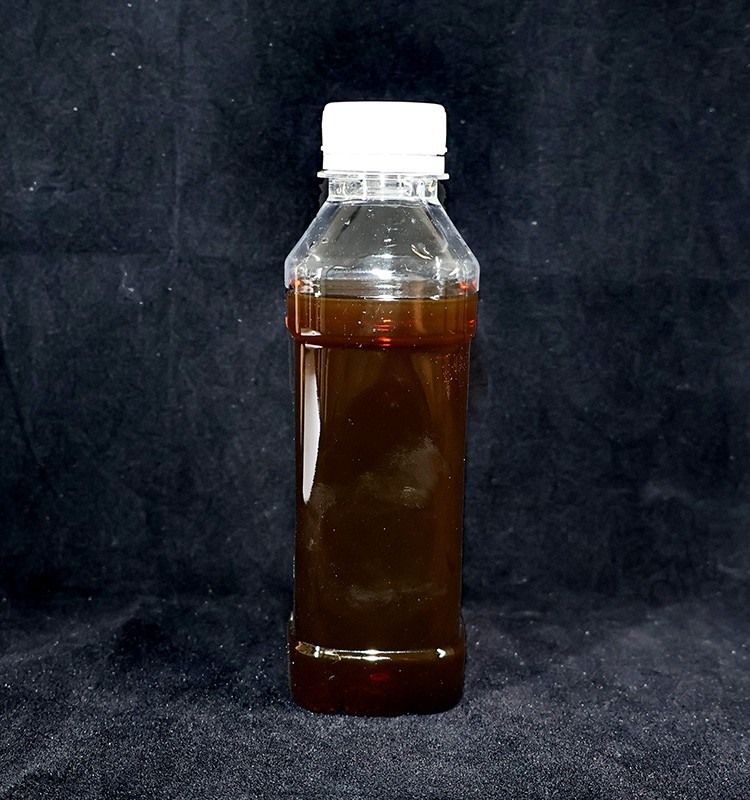
(3) Azole compounds: Common ones include benzotriazole (BTA), methylbenzotriazole (TTA), etc. These compounds can form a stable adsorption film on the surface of copper and its alloys, preventing copper from reacting with oxygen, chloride ions, etc. in water, thereby preventing copper corrosion.
(3) Polyelectrolytes: such as sodium polyacrylate. The negative charge on the polyelectrolyte molecular chain can interact with positive ions such as calcium and magnesium in water, preventing them from approaching each other and forming crystals, thus playing a role in scale inhibition.
(3) Oxide film theory: Some corrosion and scale inhibitors can promote the formation of a dense oxide film on the metal surface. For example, in water containing oxygen, certain corrosion inhibitors can accelerate the oxidation reaction on the metal surface, forming a stable oxide film that prevents further corrosion.
(3) Complex solubilization theory: Inorganic phosphates and organic phosphonic acids can form soluble complexes with calcium and magnesium ions in water, increasing their solubility in water and preventing them from crystallizing and forming scale.
In the circulating cooling water systems of industries such as chemical, power, and steel, the water temperature is high and contains a large amount of calcium, magnesium ions, and dissolved oxygen, which can easily cause corrosion and scale problems. Corrosion and scale inhibitors can effectively prevent corrosion and scale deposition of cooling water pipelines, heat exchangers, and other equipment, improve heat transfer efficiency, reduce energy consumption, and ensure stable system operation.
During the operation of the boiler, impurities in the water can form scale on the inner wall of the boiler, affecting its thermal efficiency and even causing safety accidents such as boiler explosions. Meanwhile, dissolved oxygen and other corrosive substances in water can also cause corrosion to boiler metals. The use of corrosion and scale inhibitors can prevent boiler scaling and corrosion, extend the service life of boilers, and ensure the safe operation of boilers.
In oilfield development, it is necessary to inject water into the reservoir to improve oil recovery rate. However, impurities and microorganisms injected into the water can cause corrosion and scaling of the water injection pipeline and equipment, affecting the effectiveness of water injection. Corrosion and scale inhibitors can effectively solve these problems and ensure the normal operation of oilfield water injection systems.
High quality corrosion and scale inhibitors can exert significant corrosion and scale inhibition effects at lower concentrations, effectively reducing treatment costs. For example, some new composite corrosion and scale inhibitors can achieve ideal treatment effects with only a small amount of addition.
Corrosion and scale inhibitors should have good chemical stability and maintain stable performance under different water quality conditions (such as pH, temperature, hardness, etc.), without easy decomposition or failure. This can ensure that it continues to exert its corrosion and scale inhibition effects during long-term use.
Corrosion and scale inhibitors need to have good compatibility with other water treatment agents (such as bactericides, flocculants, etc.), and not interact with each other to affect their respective effects. At the same time, it should also be applicable to different types of metal materials and water quality, with broad applicability.
With the increasing demand for environmental protection, corrosion and scale inhibitors should minimize their pollution to the environment. Nowadays, many corrosion and scale inhibitors are developing towards low phosphorus and phosphate free directions to reduce the risk of eutrophication in water bodies and meet the requirements of sustainable development.
In the future, corrosion and scale inhibitors will pay more attention to environmental performance, develop phosphorus free, low toxicity, and biodegradable products, and reduce their negative impact on the environment. At the same time, strengthen the treatment and recycling of waste generated during the production process of corrosion and scale inhibitors to achieve green production.
By combining corrosion and scale inhibitors with different functions, a composite corrosion and scale inhibitor with higher efficiency has been developed. This composite agent can simultaneously target multiple water quality issues and metal corrosion types, improve treatment efficiency, and reduce usage costs.
Develop an intelligent corrosion and scale inhibitor dosing system using modern sensor technology and automatic control technology. The system can monitor water quality parameters and equipment operation status in real time, automatically adjust the dosage of corrosion and scale inhibitors according to the actual situation, achieve precise dosing, and improve water treatment efficiency.

 E-mail:jcl@jichanglong.com
 WhatsApp:+8618560709619
 Address:Block B, Polymer Materials Industry Innovation Park,No. 51, Lutai Avenue, High-tech Zone, Zibo City, Shandong Province
Our company specializes in vanadium inhibitors , dehumidification and drying block, calcium hypochlorite disinfectant tablet, polyacrylamide and other products. With over 20 years of experience, we offer quality assurance and wholesale prices.


