With the continuous advancement of industrial production technologies, circulating cooling water systems, industrial boilers, oilfield water injection systems, and various types of water treatment equipment have come to play an increasingly vital role in production processes. However, during long-term operation, dissolved oxygen, bacteria, and other corrosive substances present in the water can adversely affect metal equipment and piping. If left unaddressed, these issues can lead to metal surface corrosion, pipeline blockages, and reduced operational efficiency, while also increasing maintenance costs and production risks for enterprises. To improve the operating environment of industrial water systems and mitigate the impacts of oxygen-induced corrosion and microbial activity,deoxygenation and bactericidal corrosion inhibitors—collectively referred to as "deoxygenation and bactericidal corrosion inhibitors"—have emerged as a significant category of functional chemical agents in the field of industrial water treatment.
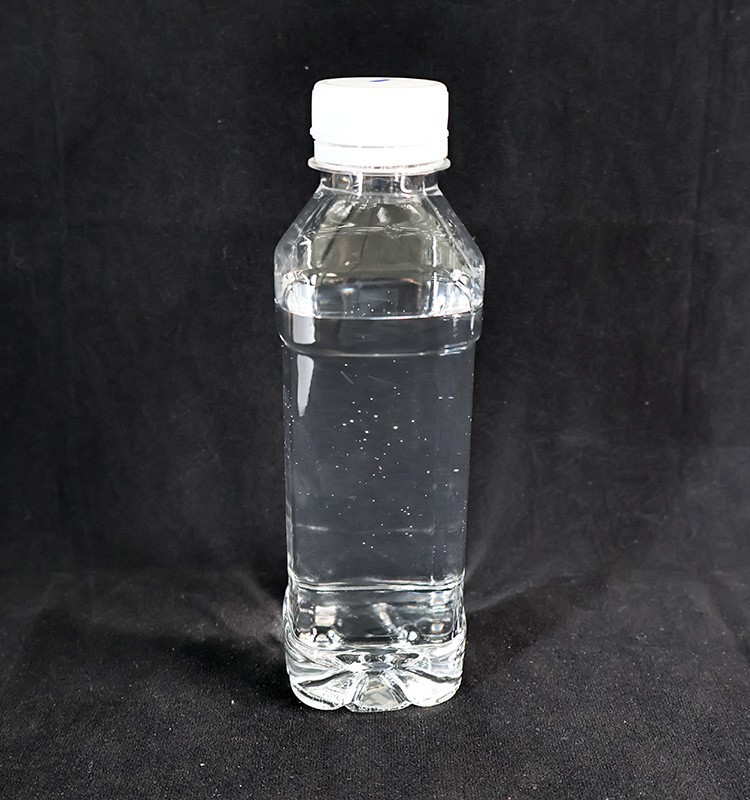
These agents are composite chemical formulations used in industrial water treatment systems, designed specifically to control issues such as dissolved oxygen, microbial growth, and metal corrosion. In industrial production, water frequently comes into direct contact with metal piping, heat exchangers, storage tanks, boilers, and other equipment. If the water contains high concentrations of dissolved oxygen, the oxygen can participate in electrochemical corrosion reactions on metal surfaces, accelerating the oxidation of materials like iron and steel.
Furthermore, water may contain bacteria, algae, and other microorganisms. Some of these microorganisms can form biofilms on metal surfaces, which impede water flow and heat exchange efficiency, and may even contribute to microbiologically influenced corrosion (MIC). Through the synergistic action of their various functional components, these agents help reduce the risk of corrosion caused by dissolved oxygen, control microbial proliferation, and provide a protective layer on metal surfaces.
Through specific chemical reactions or other deoxygenation mechanisms, these agents reduce the concentration of dissolved oxygen in the water, thereby limiting the opportunity for oxygen to participate in metal corrosion reactions.
Utilizing active components with microbial control capabilities, these agents inhibit or inactivate targeted bacteria and other microorganisms within the water system, thereby reducing issues related to biofilm formation and microbial activity.
Through the use of appropriate corrosion-inhibiting components, a protective layer is formed on the metal surface, or the corrosion reaction process is altered, thereby reducing the reaction rate between the metal material and the corrosive medium.
It should be noted that deoxygenation, sterilization, and corrosion inhibition are three distinct chemical processes. Not all deoxygenation and bactericidal corrosion inhibitors utilize the exact same formulation, nor can every product achieve the same level of effectiveness across all types of water quality conditions. Actual performance depends on the active ingredients, product formulation, water quality environment, and equipment operating conditions.
Dissolved oxygen in water is a major factor contributing to the oxygen-induced corrosion of metals. Taking iron and steel as an example, in an oxygen-containing aqueous environment, anodic and cathodic regions can form on the metal surface, triggering electrochemical reactions. Iron undergoes oxidation in the anodic region, while dissolved oxygen typically participates in the cathodic reduction reaction.
These reactions can be simplified as follows: Anodic reaction: Fe → Fe²⁺ + 2e⁻; Cathodic reaction: O₂ + 2H₂O + 4e⁻ → 4OH⁻. Together, these reactions drive the metal corrosion process.
The primary function of deoxygenating components is to consume dissolved oxygen in the water through chemical reactions—or to reduce oxygen levels via other applicable treatment mechanisms—thereby diminishing the conditions necessary for oxygen-induced corrosion.
In industrial water treatment, common chemical deoxygenating agents include sulfites, hydrazine alternatives, and other reducing compounds suited for specific water systems. Different deoxygenating agents vary in terms of reaction rate, temperature adaptability, and water quality requirements. For instance, sulfites react with oxygen to form oxidation products, effectively lowering the concentration of dissolved oxygen in the water.
It is important to note that deoxygenation alone cannot serve as a complete solution for corrosion control in a water system. Factors such as chloride ions, carbon dioxide, pH levels, and other dissolved substances can also influence the rate of metal corrosion.
Industrial water systems provide a favorable environment for the survival of microorganisms. Factors such as the presence of nutrients, temperature, and flow conditions can influence the rate at which bacteria proliferate. As the microbial population grows, some bacteria may attach themselves to the inner walls of pipes and the surfaces of heat exchangers, forming biofilms. These biofilms not only increase fouling on equipment surfaces but also impair heat exchange efficiency and alter water flow dynamics. Furthermore, through their metabolic activities, certain microorganisms can modify the local environment, creating conditions that promote metal corrosion.
The biocidal components within deoxygenation and bactericidal corrosion inhibitors are primarily designed to control such microbial activity. Depending on the specific product formulation, these components may consist of oxidizing biocides, non-oxidizing biocides, or other compounds capable of microbial control.
Oxidizing biocides typically function by oxidizing critical substances within microbial cells, thereby disrupting their normal physiological processes. Non-oxidizing biocides, by contrast, generally act by targeting cell membranes, proteins, or other vital biological structures to inhibit microbial growth or inactivate the microorganisms.
It should be noted that the efficacy of these biocides is influenced by factors such as the type of microorganisms present, water temperature, pH level, organic matter content, and the thickness of any existing biofilms. In cases where mature biofilms have already formed, conventional water treatment chemicals alone may be insufficient for complete removal; such instances require a combination of system cleaning and other specialized water treatment measures.
Corrosion inhibition is another essential function of these multi-functional agents. In industrial water systems, even when dissolved oxygen levels and microbial populations are reduced, metal equipment may still be susceptible to other corrosive substances. Corrosion-inhibiting components can slow down corrosion reactions through various mechanisms. For instance, some inhibitors adsorb onto metal surfaces to form a protective film, which minimizes direct contact between the metal and the water or other corrosive agents. Other inhibitors may function by influencing the anodic or cathodic reactions occurring on the metal surface, thereby lowering the overall corrosion rate. Common industrial corrosion inhibitors include certain organic phosphonates, polymers, molybdates, and other compounds tailored for specific systems. Since different types of inhibitors have varying ranges of applicability, their selection must be based on factors such as the metal materials used, the composition of the water, and the specific operating conditions of the system. By integrating deoxygenation, biocidal action, and corrosion inhibition, these agents can improve the operating environment of industrial water systems from multiple perspectives.
In traditional water treatment processes, enterprises might need to use deoxygenators, biocides, and corrosion inhibitors separately.deoxygenation and bactericidal corrosion inhibitors combine these various functions into a single product or an integrated treatment system, which can reduce the need for separate chemical dosing and simplify chemical management. However, whether such agents can entirely replace single-function chemicals depends on the specific product formulation and the actual water quality.
Dissolved oxygen in water can accelerate electrochemical corrosion on metal surfaces. Effective deoxygenation limits the availability of oxygen to participate in corrosion reactions. For certain closed-loop circulating water systems and industrial boiler water treatment systems, controlling dissolved oxygen is a critical aspect of equipment corrosion protection.
Microorganisms in water systems can lead to the formation of biofilms, sludge deposits, and microbiologically influenced corrosion (MIC).
The biocidal components help control the growth of target microorganisms, mitigate the impact of biofouling, and assist in maintaining the cleanliness of pipelines and heat exchange equipment.
Appropriate corrosion-inhibiting components can form a protective layer on metal surfaces, reducing the impact of corrosive substances on metal materials. This helps extend the service life of equipment and piping, while lowering maintenance and replacement costs caused by corrosion.
When dissolved oxygen, microbial growth, and corrosion are effectively controlled, water systems are more likely to maintain stable operation. For industrial enterprises with long-term, continuous production processes, minimizing equipment corrosion and biofouling helps reduce the risk of unplanned downtime.
Industrial systems vary in terms of water quality, temperature, metal composition, and operational modes. Consequently,deoxygenation and bactericidal corrosion inhibitors can be formulated specifically for different environments. Enterprises can select the most suitable product type based on the characteristics of their specific water system, rather than applying the same chemical to every industrial water treatment scenario.
Both deoxygenation and bactericidal corrosion inhibitors and conventional corrosion inhibitors serve to control metal corrosion; however, they differ significantly in their functional scope. The primary objective of a conventional corrosion inhibitor is to reduce the rate of metal corrosion. It typically functions by forming a protective film on the metal surface, inhibiting electrochemical reactions, or altering the state of the metal surface.
In contrast, deoxygenation and bactericidal corrosion inhibitors go beyond mere surface protection by incorporating oxygen removal and microbial control into the overall treatment strategy.
(1) In terms of function, conventional corrosion inhibitors focus specifically on metal corrosion, whereas deoxygenation and bactericidal corrosion inhibitors also provide the capability to reduce dissolved oxygen levels and control microbial growth.
(2) Regarding application environments, conventional corrosion inhibitors are suitable for a wide range of industrial water treatment systems, while deoxygenation and bactericidal corrosion inhibitors are better suited for specific scenarios where both oxygen-induced corrosion and microbial contamination are concerns.
(3) In terms of product formulation, conventional corrosion inhibitors may consist of one or more corrosion-inhibiting components, whereas composite deoxygenation and bactericidal corrosion inhibitors require careful consideration of the compatibility and potential interactions between various active ingredients.
(4) Regarding operational management, while composite agents may simplify certain dosing processes, they still require ongoing monitoring based on water quality and operating conditions; it should not be assumed that a single agent can resolve all water treatment challenges.
Therefore, enterprises should select the appropriate chemical agent based on actual water quality and equipment operating conditions, rather than relying solely on the product name to determine its suitability.
During boiler operation, dissolved oxygen in the feedwater can react with metal heating surfaces and piping, leading to oxygen-induced corrosion. Long-term oxygen corrosion can cause damage to boiler components, compromising both equipment safety and operational efficiency.
Consequently, boiler water treatment typically requires strict control of dissolved oxygen in the feedwater. Effective treatment strategies often involve the use of specialized deoxygenation equipment in conjunction with chemical oxygen scavengers to mitigate the impact of dissolved oxygen on metal components. If a system remains susceptible to microbial contamination or other corrosion risks, appropriate biocidal and corrosion-inhibiting measures must be implemented based on the specific water quality. It should be noted that not all multi-functional deoxygenation and bactericidal corrosion inhibitors are suitable for boiler systems. Depending on factors such as boiler pressure, temperature, feedwater quality, and water treatment specifications, the required chemical agents may vary; therefore, it is essential to select specialized products that have been verified and meet relevant standards.
Circulating cooling water systems are widely used in chemical plants, steel mills, power facilities, manufacturing plants, and large-scale industrial production lines. During operation, the cooling water circulates continuously, coming into contact with pipelines, heat exchangers, and other metal equipment. If the water contains high levels of dissolved oxygen and provides conditions conducive to microbial growth, issues such as oxygen-induced corrosion, biofilm formation, and equipment scaling may arise. Deoxygenation and bactericidal corrosion inhibitors—or complementary water treatment chemicals—can be employed to manage these corrosion and microbial risks, tailored to the specific characteristics of the system. For open-loop circulating cooling water systems, additional factors must be considered, including the water's exposure to air, concentration through evaporation, the quality of make-up water, and potential microbial contamination.
Water injection is a common auxiliary process in petroleum extraction. By injecting water into oil-bearing formations, operators can maintain reservoir pressure and enhance crude oil recovery efficiency. However, the injected water may contain dissolved oxygen, sulfate-reducing bacteria, and other microorganisms or corrosive substances. These elements can lead to the corrosion of injection pipelines, water storage equipment, and related metal infrastructure. In oilfield water treatment, deoxygenating agents are used to reduce dissolved oxygen levels, biocides are employed to control specific microorganisms, and corrosion inhibitors help mitigate metal degradation. For oilfield water injection systems, a comprehensive treatment strategy must be developed based on the nature of the water source, formation conditions, pipeline materials, and results from microbial testing.
Petrochemical production involves a wide array of storage tanks, heat exchangers, transport pipelines, and industrial water systems. During long-term operation, these assets may be affected by dissolved oxygen, microorganisms, and other corrosive agents. Deoxygenation and bactericidal corrosion inhibitors can serve as components of industrial water treatment programs, helping to manage corrosion and microbial issues within water systems. For instance, in certain circulating water systems and industrial auxiliary water systems, the appropriate application of such water treatment chemicals helps reduce equipment corrosion and biofouling, thereby enhancing the stability of production systems.
Thermal power plants utilize boilers, condensate systems, cooling water systems, and various auxiliary equipment. Boiler feedwater and condensate systems, in particular, have stringent water quality requirements; controlling dissolved oxygen is a critical measure for preventing metal corrosion. Different water systems necessitate distinct treatment technologies. Some systems rely primarily on mechanical deoxygenation supplemented by specialized chemical deoxygenation, while circulating cooling water systems may require a combination of corrosion inhibition and microbial control strategies. Consequently, the selection of deoxygenation and bactericidal corrosion inhibitors in the power industry must be tailored to the specific system type and equipment requirements.
The steel, machinery manufacturing, and metal processing sectors typically employ extensive industrial cooling equipment and circulating water systems. Inadequate water treatment can lead to corrosion, biofouling, and the accumulation of deposits on metal equipment and piping. The proper application of water treatment chemicals can improve the quality of industrial circulating water and mitigate the risk of corrosion on equipment surfaces. For enterprises engaged in continuous, long-term production, consistent and effective water treatment helps lower equipment maintenance costs and improves operational efficiency.
(1) Dissolved Oxygen Content: Dissolved oxygen is a primary factor affecting both deoxygenation performance and the risk of oxygen-induced corrosion. Since the dissolved oxygen levels in the influent of various industrial systems differ, the required treatment strategies also vary. If air continuously enters a system, relying solely on chemical deoxygenation may be insufficient to maintain consistently low dissolved oxygen levels; therefore, it is also necessary to verify the integrity of equipment seals and the operational status of the system.
(2) pH Value: The pH of the water influences corrosion behavior on metal surfaces and can also affect the performance of certain deoxygenating agents, biocides, and corrosion inhibitors. Many such agents are most effective within specific pH ranges; outside of these optimal conditions, their efficacy may diminish. Therefore, in industrial water treatment processes, it is necessary to monitor pH levels regularly and make adjustments in accordance with the technical requirements of the products being used.
(3) Water temperature: Water temperature influences the rate of chemical reactions, dissolved oxygen levels, and the growth of microorganisms. Different biocides and corrosion inhibitors have specific temperature ranges within which they are effective. Consequently, different types of products must be selected for high-temperature boiler systems versus ambient-temperature circulating cooling water systems.
(4) Types and quantity of microorganisms: Microorganisms vary in their sensitivity to different biocides. The presence of significant organic matter, biofilms, or complex microbial communities within a water system can impair the efficacy of biocides. Therefore, facilities should conduct microbial testing to assess contamination levels and select appropriate treatment methods based on the findings.
(5) Metal materials: Different metals exhibit distinct corrosion characteristics. Carbon steel, stainless steel, copper, and copper alloys behave differently when exposed to aqueous environments. For this reason, corrosion inhibitors must be compatible with the materials of the equipment to ensure effective corrosion protection and avoid issues related to material incompatibility.
(6) Chemical Compatibility: Interactions may occur between deoxygenating, biocidal, and corrosion-inhibiting components. For instance, certain reducing-type deoxygenating agents may consume oxidizing biocides, thereby diminishing their biocidal efficacy. Consequently, any multi-component formulation must undergo rigorous compatibility and stability testing. Enterprises should not arbitrarily mix water treatment chemicals from different brands or types; instead, they must manage their use in strict accordance with the technical specifications provided by the supplier.
Deoxygenation and bactericidal corrosion inhibitors—often combined into a single industrial water treatment product—serve to mitigate metal corrosion risks caused by dissolved oxygen, control microbial activity within water systems, and enhance surface protection for metal equipment.
Such agents are valuable in various sectors, including industrial boilers, circulating cooling water systems, oilfield water injection, petrochemical processing, power generation, and metallurgy. By selecting appropriate products and integrating them with regular water quality testing, equipment maintenance, and operational monitoring, enterprises can improve water treatment outcomes and reduce the adverse impacts of equipment corrosion and microbial contamination.
It is important to note that the formulations and intended applications of these agents vary. When procuring and using such products, enterprises should carefully evaluate their chemical composition, technical specifications, compatibility with equipment materials, and the specific characteristics of their water supply.
As industrial production increasingly demands higher equipment reliability and stricter environmental compliance,deoxygenation and bactericidal corrosion inhibitors—characterized by stable performance and tailored formulations—will play an ever-more critical role in modern industrial water treatment systems.

 E-mail:jcl@jichanglong.com
 WhatsApp:+8618560709619
 Address:Block B, Polymer Materials Industry Innovation Park,No. 51, Lutai Avenue, High-tech Zone, Zibo City, Shandong Province
Our company specializes in vanadium inhibitors , dehumidification and drying block, calcium hypochlorite disinfectant tablet, polyacrylamide and other products. With over 20 years of experience, we offer quality assurance and wholesale prices.


