In industrial production—including circulating cooling water systems, boiler systems, heat exchange equipment, and various metalworking processes—metal equipment frequently comes into contact with water, oxygen, salts, and other chemical substances over extended periods. This exposure makes the equipment susceptible to issues such as corrosion, rusting, and scale formation. These problems not only affect the equipment's appearance but can also reduce heat transfer efficiency, increase maintenance costs, and, in severe cases, disrupt the normal operation of the entire production system.
Simply put, corrosion and scale inhibitors are chemical treatment agents designed to inhibit metal corrosion and control scale formation. They typically function by forming a protective film on the metal surface, altering the corrosion reaction process, or controlling the deposition of scale-forming substances in the water, thereby helping to protect equipment and extend the system's operational lifespan.
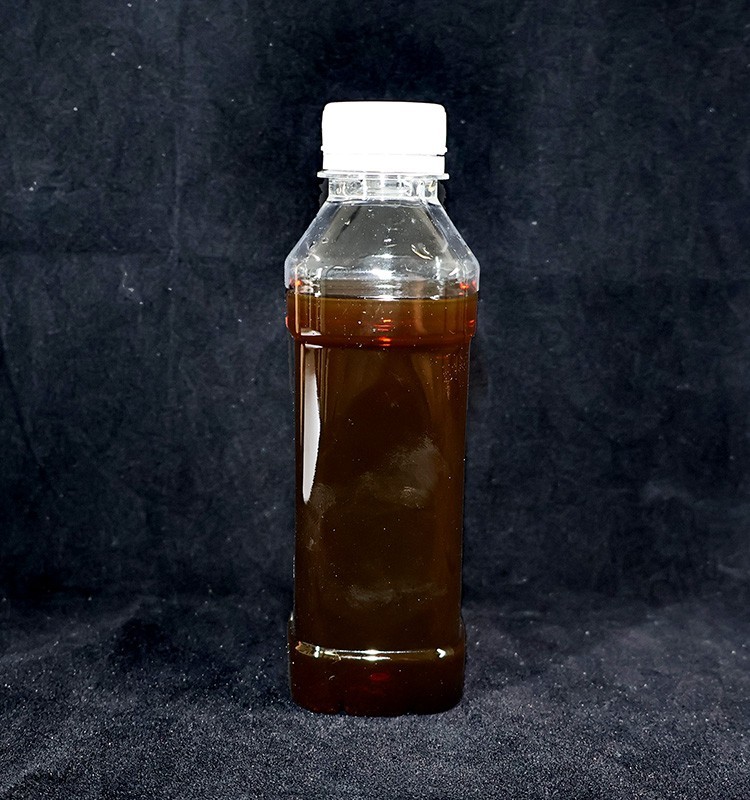
Corrosion and scale inhibitors can be understood as chemical agents that provide corrosion control. Their specific composition and mechanisms of action may vary across different industrial sectors. Metal equipment corrosion is usually linked to interactions involving water, oxygen, electrolytes, and electrochemical reactions on the metal surface. For instance, in circulating water systems, improper water quality control can lead to the gradual corrosion of metal piping, heat exchangers, and water storage equipment.
Simultaneously, components such as calcium and magnesium, along with other minerals in the water, can form deposits—commonly known as scale—under certain conditions. Consequently, some industrial water treatment products address both corrosion control and scale control. Such products are often referred to as corrosion and scale inhibitors.
Certain corrosion-inhibiting components can adsorb onto the metal surface and form a stable protective layer, thereby reducing direct contact between the metal and corrosive substances (such as water). This protective layer helps slow down electrochemical corrosion reactions on the metal surface.
Some formulations reduce the deposition of scale-forming substances on metal surfaces through mechanisms such as dispersion, chelation, or lattice distortion. Therefore, corrosion and scale inhibitors do not simply "remove existing rust"; their primary function is to prevent or inhibit the processes of corrosion and scale formation.
In industrial applications, corrosion and scale inhibitors serve the following key functions:
(1) Mitigate metal corrosion: Slow down the rate of corrosion reactions by forming a protective layer on metal surfaces.
(2) Control scale formation: Reduce the deposition of minerals on the surfaces of pipes, heat exchangers, and equipment.
(3) Protect industrial equipment: Minimize the impact of corrosion and scaling on equipment operation.
(4) Help maintain heat transfer efficiency: Thick scale buildup on heat exchanger surfaces impairs heat transfer; proper water treatment reduces deposit formation.
(5) Extend equipment maintenance intervals: Controlling corrosion and scaling reduces the frequency of equipment cleaning and repairs.
Note that corrosion and scale inhibitors cannot replace a comprehensive water treatment system. Actual performance depends on factors such as water quality, temperature, pH value, chemical concentration, circulation time, and equipment materials.
These agents have a wide range of applications, particularly in sectors utilizing industrial water circulation systems. Examples include: circulating cooling water systems; boiler water treatment; heat exchange equipment; industrial cooling systems; chemical production; the power industry;metal processing; and manufacturing. In large-scale industrial production, water treatment systems must operate stably over the long term; therefore, controlling corrosion and scaling is a crucial aspect of equipment maintenance.
Circulating cooling water systems are a key application area for these agents. Cooling water continuously circulates through equipment, coming into contact with pipes, heat exchangers, and other metal components. Without proper water quality control, metal surfaces may corrode, and minerals in the water can gradually form deposits.
Using suitable corrosion and scale inhibitors helps slow down metal corrosion and reduce scale formation. For large cooling systems, this is vital not only for equipment longevity but also for heat transfer efficiency and production stability.
Boiler systems typically have strict water quality requirements. If boiler water contains high concentrations of scale-forming ions, scale may accumulate during long-term operation. Such accumulation impairs heat transfer and can increase the operational load on the equipment.
Additionally, corrosion control is necessary for the metal components of the boiler. Therefore, industrial boilers typically employ comprehensive water treatment measures, including softening, deaeration, and chemical dosing. The specific chemicals selected depend on the boiler type, water quality, and operating conditions.
Adding more corrosion and scale inhibitor is not necessarily better. In practice, the appropriate dosage and application method must be determined based on the product's technical specifications.
Additionally, it is essential to: monitor the quality of raw water and circulating water; control pH levels; select chemicals based on equipment materials; regularly monitor chemical concentrations; avoid incompatible reactions between different chemicals; and adhere to the supplier's safety guidelines for storage and handling. For large-scale industrial systems, water treatment strategies should be continuously adjusted based on actual operating data.
Corrosion and scale inhibitors are industrial chemical treatments used to inhibit metal corrosion and control scale formation. In sectors such as circulating cooling water systems, boilers, heat exchangers, and chemical manufacturing, they help maintain stable equipment operation by protecting metal surfaces, controlling corrosion reactions, and reducing certain mineral deposits.
It is important to note that corrosion and scale inhibitors are primarily used to prevent and control corrosion and scaling; they are not rust removers intended for treating existing rust. Since water quality and equipment materials vary across industrial systems, the appropriate product should be selected based on specific operating conditions and used in accordance with technical requirements. Through proper water quality management, equipment maintenance, and chemical control, operational issues caused by corrosion and scaling can be effectively minimized, supporting the long-term, stable operation of industrial equipment.

 E-mail:jcl@jichanglong.com
 WhatsApp:+8618560709619
 Address:Block B, Polymer Materials Industry Innovation Park,No. 51, Lutai Avenue, High-tech Zone, Zibo City, Shandong Province
Our company specializes in vanadium inhibitors , dehumidification and drying block, calcium hypochlorite disinfectant tablet, polyacrylamide and other products. With over 20 years of experience, we offer quality assurance and wholesale prices.


