Microorganisms are ubiquitous in both daily life and industrial production. Factors such as moisture, temperature, organic matter, and suitable environmental conditions can promote the growth of fungi and other microorganisms. When fungi proliferate on plants, wood, coatings, construction materials, industrial equipment, or within storage environments, they can cause issues such as material degradation, product spoilage, equipment contamination, and reduced production efficiency.
To address these issues, appropriate microbial control products are selected based on the specific application scenario. Fungicides are a class of products designed to control fungal growth. In the agricultural sector, fungicides are used to manage fungal diseases in plants; however, they also have broad applications beyond agriculture, including the protection of industrial materials, water system management, wood preservation, and use in coatings, adhesives, papermaking, textiles, and other fields requiring fungal growth control.
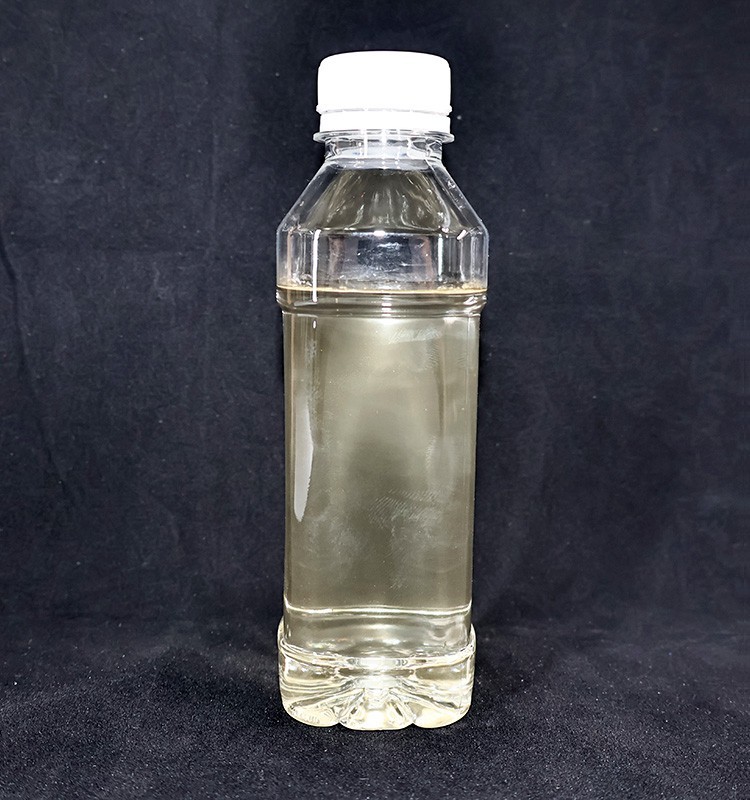
Fungicides are products used to inhibit, control, or kill specific fungi. There can be significant differences in the active ingredients, modes of action, and scopes of application among various fungicides. Some are primarily used for plant protection, targeting specific fungal diseases in plants, while others are applied to industrial materials, coatings, wood, or other products where fungal growth needs to be controlled.
It is important to note that "fungicide" is not a catch-all term for every type of microbial control product. Bacteria, viruses, algae, and other microorganisms typically require different control methods. Therefore, in practical applications, the appropriate product should be selected based on the target microorganism and the specific usage environment.
Additionally, different countries and regions may have varying regulatory requirements regarding the production, sale, and use of fungicides and other fungicides. Industrial users should verify the legal uses and relevant safety requirements when selecting products.
Fungi can proliferate rapidly in environments that are damp, warm, or rich in organic matter. For instance, industrial circulating water systems, storage areas, wood surfaces, coatings, and certain polymer materials can all be affected by fungal growth. If fungi are not effectively controlled, they can cause visible surface contamination and compromise the appearance and performance of the products.
The proper use of fungicides suited to the specific application scenario can help inhibit fungal growth and mitigate the impact of fungal contamination. Therefore, fungicides can serve as part of microbial control strategies in various industrial production and material protection processes.
Wood is a natural organic material that can become a substrate for fungal growth under suitable temperature and humidity conditions. Certain fungi affect not only the wood's surface but can also compromise its structural integrity. In wood preservation, appropriate anti-fungal agents are applied—based on the product's intended use—to mitigate the risks posed by fungi.
For instance, construction timber, outdoor wood products, wooden packaging, and certain furniture materials may require fungal protection. For wood processing enterprises, proper drying, storage, and ventilation measures are equally important. Combining fungicides with these fundamental protective measures creates a more comprehensive wood protection strategy.
Coatings, putties, sealants, and certain construction materials are also susceptible to fungal growth. Microbial contamination can occur on walls, coatings, and other material surfaces, particularly in high-humidity environments. Prolonged exposure to moisture makes surface conditions more conducive to fungal proliferation. Consequently, anti-fungal ingredients are incorporated into the formulations of certain coatings and construction materials to meet product design requirements.
The function of these fungicides is not to alter the material's fundamental structure but to control surface fungal growth, thereby preserving the product's appearance and performance.
For bathrooms, underground spaces, damp areas of buildings, and other high-humidity environments, moisture-resistant design and adequate ventilation remain critical factors in controlling fungal growth.
Industrial recirculating water, cooling systems, and certain process water systems can be affected by microorganisms during operation. When water temperature and nutrient levels favor microbial proliferation, fungi and other microorganisms can form deposits or biofilms. These issues can impair the normal operation of heat exchange equipment, piping, and the recirculating water system itself.
In specific water treatment strategies, suitable microbial control agents are selected based on water quality and the target microorganisms. While certain fungicides specifically target fungi, effective management usually requires integrating them with other water treatment measures. Factors such as water quality monitoring, filtration, blowdown, pH control, and other treatment technologies can all influence the ultimate effectiveness of microbial control. Therefore, the use of fungicides in industrial water systems should be based on water quality analysis and professional protocols, rather than simply increasing dosage.
Paper manufacturing involves large quantities of water and organic matter; consequently, microbial control is a crucial aspect of production management. Under favorable conditions, fungi can grow on raw materials, equipment surfaces, and within the production environment. Excessive microbial proliferation can adversely affect both the production process and product quality.
Depending on specific processes and regulatory requirements, paper manufacturers can employ various microbial control techniques, including the use of appropriate fungicides or other antimicrobial products. Effective microbial control helps stabilize production systems and reduces product quality issues caused by microbial contamination.
Certain materials are susceptible to mold growth, particularly during transport and long-term storage in environments with high humidity and poor ventilation. Provided that product specifications and relevant regulations are met, appropriate antifungal treatments can help mitigate the risk of fungal damage. For textile and leather enterprises, controlling storage humidity, improving ventilation, and minimizing prolonged exposure to damp conditions are just as important as using treatment agents.
If industrial equipment, building materials, or stored products are subjected to prolonged fungal exposure, enterprises may incur higher labor and material costs for remediation. Effective microbial control helps reduce the risk of fungal contamination, thereby minimizing unnecessary maintenance work. However, the use of fungicides does not eliminate the need for maintenance entirely; equipment cleaning, environmental control, and regular inspections remain essential components of industrial management.
(1) Verify the product's scope of application. The fact that a fungicide is suitable for one industrial sector does not mean it is appropriate for others.
(2) Adhere to product labels, technical data sheets, and local regulatory requirements. This includes guidelines on dosage, contact time, application methods, storage conditions, and personal protective equipment (PPE).
(3) Avoid unnecessary overuse. Increasing the dosage does not necessarily improve control efficacy and may instead raise costs while increasing risks to the environment and materials. (4) For complex applications such as industrial water treatment and material protection, it is recommended to conduct small-scale tests first to verify the product's compatibility with the system or materials.
(5) A sound microbial monitoring mechanism should be established, and control strategies adjusted based on actual test results.
As industrial production and materials technology continue to evolve, market demand for highly efficient, stable, and precise microbial control products is also shifting. Future applications of fungicides will place greater emphasis on targeted action, safety, environmental compatibility, and integrated microbial management, thereby providing more diverse fungal control solutions for industrial and materials sectors beyond agriculture.

 E-mail:jcl@jichanglong.com
 WhatsApp:+8618560709619
 Address:Block B, Polymer Materials Industry Innovation Park,No. 51, Lutai Avenue, High-tech Zone, Zibo City, Shandong Province
Our company specializes in vanadium inhibitors , dehumidification and drying block, calcium hypochlorite disinfectant tablet, polyacrylamide and other products. With over 20 years of experience, we offer quality assurance and wholesale prices.


