With the development of sectors such as industrial production, warehousing and logistics, food packaging, electronics manufacturing, and general storage, humidity control has become a critical concern across many fields. Although moisture in the air is invisible to the naked eye, high humidity levels can adversely affect product quality, equipment performance, and storage conditions. For instance, metal products may corrode, electronic components can be damaged by moisture, packaged goods may clump together, and furniture or wooden items may develop mold or warp.
To mitigate the impact of moisture, various dehumidification and anti-damp products have emerged on the market. Among these, dehumidification and drying blocks—valued for their ease of use, simple construction, and lack of need for complex equipment—are widely employed in wardrobes, storage bins, shipping containers, warehouses, and certain industrial storage environments.
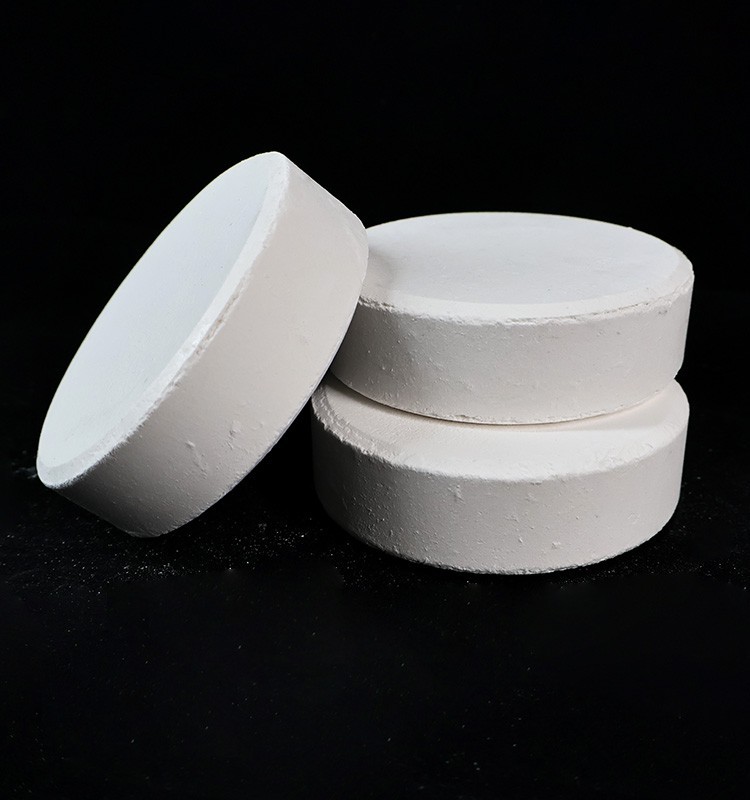
Dehumidification and drying blocks are moisture-control products that utilize hygroscopic (moisture-absorbing) materials to remove water vapor from the air. They are typically composed of substances such as calcium chloride, silica gel, or other materials with moisture-absorbing properties. Depending on their design and intended application, they may come in the form of solid blocks, pouches, containers, or other configurations. Calcium chloride is a particularly common hygroscopic material; it possesses a high capacity for absorbing moisture from the surrounding air. As it absorbs moisture, calcium chloride may gradually liquefy; therefore, products containing it are usually equipped with a collection vessel or leak-proof packaging to contain the absorbed liquid.
Silica gel, by contrast, is a porous adsorbent material. It contains a vast network of tiny pores that capture moisture from the air through physical adsorption. Some types of silica gel desiccants can be regenerated through specific heating processes, though whether a particular product is reusable depends on the manufacturer's instructions. The primary function of a dehumidification and drying block is to lower the humidity within a localized space, thereby protecting items from the negative effects of a damp environment. As they generally require no power source or complex installation, they are well-suited for use in wardrobes, lockers, packaging boxes, toolboxes, and other relatively enclosed spaces. It should be noted that different dehumidification and drying blocks may vary in their moisture-absorption mechanisms, capacities, and intended applications. When purchasing, one should examine the product's specific composition and technical specifications rather than judging its performance solely by its appearance.
The primary function of a dehumidification and drying block is to lower humidity in a localized environment. When the water vapor content in the air is high, items stored in a given space can be negatively affected by moisture. This is especially true in poorly ventilated areas—such as cabinets, shipping containers, or storage compartments—where moisture cannot easily escape, often leading to a persistently damp environment. These units absorb some of the moisture from the surrounding air, helping to keep humidity levels under control within a confined space. In relatively small, enclosed areas, the proper use of such units can effectively limit the accumulation of airborne moisture.
For example, placing a suitable dehumidifying product in a wardrobe helps control the humidity inside; similarly, using a desiccant in a shipping carton reduces the risk of moisture damage during transit. However, the actual effectiveness depends on factors such as the size of the space, ambient humidity levels, the product's moisture-absorption capacity, and the degree of airtightness. For large warehouses or environments with constant, high levels of moisture, standard dehumidification and drying blocks are generally not a substitute for professional-grade dehumidification equipment.
Another distinct advantage is their simplicity. Unlike mechanical dehumidifiers—which require installation, a power supply, and regular maintenance—most dehumidification and drying blocks simply need to be placed in an appropriate location according to the manufacturer's instructions. This makes them ideal for settings where electrical appliances cannot easily be installed, such as storage cabinets, shipping boxes, toolboxes, or small storage spaces.
For household use, these units can be placed in wardrobes, shoe cabinets, or storage cupboards. For businesses, they can serve as supplementary moisture-protection materials, tailored to specific product packaging or warehousing requirements. Because their design is relatively straightforward, users do not need specialized technical knowledge, and they are easy to manage on a day-to-day basis.
Most conventional electric dehumidifiers rely on components like compressors or fans to operate, which results in the consumption of electrical energy. Standard desiccant blocks rely on the inherent physical or chemical properties of their moisture-absorbing materials to capture humidity; they generally do not require a power connection or a continuous power supply. This makes them ideal for storage spaces lacking electrical outlets, as well as for packaging environments where the installation of electrical equipment is not feasible.
For small items requiring long-term storage, the use of appropriate desiccant blocks can reduce reliance on powered dehumidification equipment. It should be noted, however, that using these blocks is not entirely cost-free. Once the moisture-absorbing material reaches its capacity, it must be replaced or regenerated according to the manufacturer’s instructions; therefore, the cost of these consumables must be taken into account.
Desiccant blocks are typically compact, allowing for the selection of sizes tailored to specific spaces and types of items. In areas such as wardrobes, storage bins, shipping cartons, or small equipment cabinets, these products can be placed in corners or designated spots without occupying significant storage space. In industrial packaging, small desiccant units can even be placed directly inside the packaging, accompanying the product throughout transport and storage. Unlike large-scale dehumidification systems, desiccant blocks do not require dedicated installation space, offering a convenient solution for environments with limited room.
Metal products are highly susceptible to moisture in humid environments. Iron and steel items, if lacking adequate surface protection, may corrode when exposed to high humidity over extended periods. Controlling humidity is crucial during the packaging and storage of metal parts, tools, hardware, and equipment spares. Desiccant blocks absorb moisture from within packaging or storage cabinets, lowering local humidity levels and reducing the risk of corrosion.
For metal products destined for long-distance transport, appropriate desiccants can be selected based on the packaging volume, transit duration, and environmental conditions—often used in conjunction with anti-rust paper, moisture-barrier bags, or sealed packaging. It is important to note that desiccant blocks cannot replace anti-rust coatings, protective oils, or other specialized anti-corrosion measures applied directly to metal surfaces. For high-value equipment and precision components, a comprehensive moisture-proof and anti-corrosion packaging strategy should be employed.
Electronic components and precision equipment often have specific requirements for their storage environment. High humidity can affect certain electronic materials and metal contacts, potentially impairing product performance in severe cases. During the packaging of electronic products, the storage of instruments and devices, and the transport of precision parts, desiccants can help control the humidity levels within the packaging.
For instance, silica gel packets or other suitable moisture-absorbing materials are often included in the packaging of electronic components, sensors, optical accessories, and instruments to mitigate the risk of moisture damage during transit and storage. For electronic products with stringent humidity requirements, standard desiccant packs may be insufficient; in such cases, specialized moisture-proof packaging, humidity indicator cards, and controlled storage environments—in accordance with product standards—are necessary.
The packaging industry is a major application area for desiccants. During storage and transport, humidity levels inside packaging can rise due to temperature fluctuations, the ingress of external moisture, or the release of moisture from the products themselves. If the packaged items are hygroscopic (moisture-absorbing), they may suffer from issues such as clumping, softening, deformation of packaging materials, or other quality degradation. Placing an appropriate desiccant inside sealed packaging absorbs water vapor, thereby lowering the risk of moisture-related damage.
Examples include the use of desiccants for various industrial raw materials, textiles, footwear, leather goods, and electronic products, as dictated by specific packaging requirements. However, for food, pharmaceuticals, and other products with strict safety standards, any desiccant used must comply with relevant regulations and packaging norms. Furthermore, direct contact between the desiccant and the product must be avoided, unless explicitly permitted by the product design and applicable standards.
Desiccant products generally lack complex mechanical components, making their routine maintenance straightforward. Users primarily need to periodically check the desiccant’s moisture-absorption status, remaining capacity, and the integrity of its packaging. Once the product reaches the specified replacement threshold, it should be replaced promptly or disposed of according to the provided instructions. For calcium chloride-based desiccants, special care must be taken regarding the liquid that may form after moisture absorption; it is essential to ensure the container remains intact to prevent leakage. For silica gel-based products, users should follow the manufacturer’s guidelines to determine whether they can be regenerated and reused. This relatively simple maintenance approach is well-suited for small-scale storage environments that lack specialized equipment maintenance personnel.
Calcium chloride is an inorganic salt with strong hygroscopic properties, allowing it to absorb moisture from the surrounding air. When water vapor in the air comes into contact with calcium chloride, the salt gradually absorbs the moisture, eventually forming a liquid solution containing calcium chloride under certain conditions.
Because this process reduces the amount of water vapor in the surrounding air, calcium chloride is frequently used in products such as wardrobe dehumidifiers, container desiccants, and industrial moisture-proofing agents. The liquid formed after calcium chloride absorbs moisture is somewhat corrosive; therefore, it must be contained within reliable packaging and a liquid-collection structure to prevent it from coming into contact with metal, wood, fabrics, or other items.
Silica gel is an adsorbent material with a porous structure; it contains a vast number of tiny pores capable of trapping water molecules from the air.
As humid air passes through the silica gel, water molecules are adsorbed onto the material's surface and within its pores, thereby reducing the water vapor content in the air. Silica gel desiccants—typically found in the form of small sachets, beads, or other configurations—are widely used for electronic products, precision instruments, and in the packaging industry. Some types of silica gel can be regenerated through specific heating processes, though not all silica gel products are suitable for reuse. Always refer to the manufacturer’s instructions for specific procedures.
The effectiveness of a dehumidification and drying block depends on factors such as the type of material used, product quality, ambient temperature, relative humidity, and airflow conditions.
As the desiccant material continues to absorb moisture, its remaining absorption capacity gradually decreases. Once it reaches its maximum capacity, the product must either be replaced or regenerated according to the manufacturer’s instructions. Consequently, it is a mistake to assume that such units can be used indefinitely. Properly determining the appropriate product specifications, the quantity to be placed, and the replacement cycle is essential for ensuring effective moisture control.
In a home environment, areas such as wardrobes, shoe cabinets, storage bins, and basement storage spaces may suffer from high humidity due to poor ventilation. Using appropriate dehumidification and drying blocks can help absorb moisture in these localized spaces, reducing the risk of dampness affecting clothing, footwear, and other stored items. For seasonal clothing or items intended for long-term storage, ensure they are completely dry before packing, and use suitable airtight packaging combined with desiccants.
In industrial warehousing, certain metal parts, tools, mechanical components, and raw materials must be kept dry. dehumidification and drying blocks can be used in small storage cabinets, sealed crates, or specific equipment compartments to help lower air humidity. For large-scale warehouses and bulk goods, humidity management typically requires a combination of warehouse ventilation, structural moisture-proofing, and mechanical dehumidification systems.
During long-distance transport, goods may be affected by factors such as temperature fluctuations, humidity changes, and the integrity of packaging seals. In particular, during ocean freight or cross-regional shipping, moisture accumulation and condensation can occur inside shipping containers, potentially compromising the quality of the cargo. Container desiccants can be selected based on the type of goods, transit duration, packaging conditions, and the environment within the container to help control internal humidity. For high-value or moisture-sensitive items, additional measures—such as moisture-resistant packaging, secure cargo bracing, and careful management of the transport environment—should also be implemented.
Electronic components, instruments, and precision equipment have strict humidity control requirements. During the packaging and storage of electronic components, desiccants help reduce moisture levels within the packaging, thereby lowering the risk of damp-related damage. Certain moisture-sensitive electronic components must adhere to specific "moisture sensitivity levels" (MSL) and packaging standards; for these, relying solely on standard dehumidification and drying blocks is insufficient.
When textiles, footwear, and leather goods are stored for long periods in environments with excessive humidity, they may develop unpleasant odors, grow mold, or experience degradation in material properties. Using desiccant packs appropriately within packaging containers and storage spaces helps control localized humidity and reduces the risk of moisture damage to products. For such applications, it is crucial to ensure the integrity of the desiccant packaging and prevent the desiccant material itself from coming into direct contact with the product surface.
Certain food products and their packaging materials are highly sensitive to moisture content. Excessive moisture can negatively affect a product's texture, stability, and shelf life. Provided they meet food-contact safety standards, desiccants designed for food packaging can be used to regulate humidity levels inside the packaging. It is important to note that standard industrial-grade desiccant packs must not be used for food packaging. In the food industry, only specialized desiccants that comply with relevant regulations and product standards may be used, and they must be applied in strict accordance with specified requirements.
(1) Determine the placement and quantity based on the product instructions. Since different types of desiccant packs have varying moisture-absorption capacities, small packs should not be used in large warehouses or environments with high humidity.
(2) Ensure the desiccant packs do not come into direct contact with the items being protected. This is especially important for calcium chloride-based desiccants, which may liquefy after absorbing moisture; precautions must be taken to prevent any leakage.
(3) Regularly inspect the condition of the desiccant packs. If the packaging is damaged, liquid is leaking, or the desiccant material has reached its capacity and requires replacement, take appropriate action immediately.
(4) Keep desiccant packs out of reach of children and pets to prevent accidental ingestion or contact. Refer to the product’s safety instructions for specific protective requirements.
(5) Do not rely on desiccant packs as a primary solution for water seepage, leaks, or severe dampness in walls. If there is an ongoing source of moisture, it must be identified and addressed before implementing other dehumidification measures.
The primary advantage of desiccant packs is their ability to simply and conveniently absorb moisture from the air, helping to lower humidity in localized spaces. This reduces the impact of damp environments on items such as metal products, electronic components, wooden goods, textiles, and packaged cargo. However, desiccant packs have a limited absorption capacity; they cannot replace large-scale mechanical dehumidification equipment, nor can they resolve issues involving persistent water seepage or severe dampness. In practice, the appropriate specification should be selected based on factors such as the size of the space, ambient humidity, product type, and the specific characteristics of the moisture-absorbing material; furthermore, the product should be checked and replaced periodically in accordance with the provided instructions.
Overall, moisture-absorbing desiccant blocks serve as a practical, supplementary tool for humidity control. Only by selecting the right product, positioning it strategically, and combining its use with proper ventilation, sealing, and humidity management measures can its moisture-absorbing potential be fully realized—providing reliable protection against dampness for both daily storage needs and industrial production processes.

 E-mail:jcl@jichanglong.com
 WhatsApp:+8618560709619
 Address:Block B, Polymer Materials Industry Innovation Park,No. 51, Lutai Avenue, High-tech Zone, Zibo City, Shandong Province
Our company specializes in vanadium inhibitors , dehumidification and drying block, calcium hypochlorite disinfectant tablet, polyacrylamide and other products. With over 20 years of experience, we offer quality assurance and wholesale prices.


