In humid environments, items are prone to moisture, mold, deterioration, and damage. How to effectively solve this problem has become a focus of attention in many fields. Dehumidification and drying blocks, as a practical dehumidification tool, play an important role in various scenarios such as daily life, industrial production, warehousing and logistics. It absorbs moisture from the surrounding environment through specific physical or chemical principles, thereby reducing air humidity and protecting items from moisture damage. So, what exactly is a dehumidification and drying block? How does it achieve dehumidification function? Next, this article will provide you with a detailed introduction.
1. Definition and Core Principles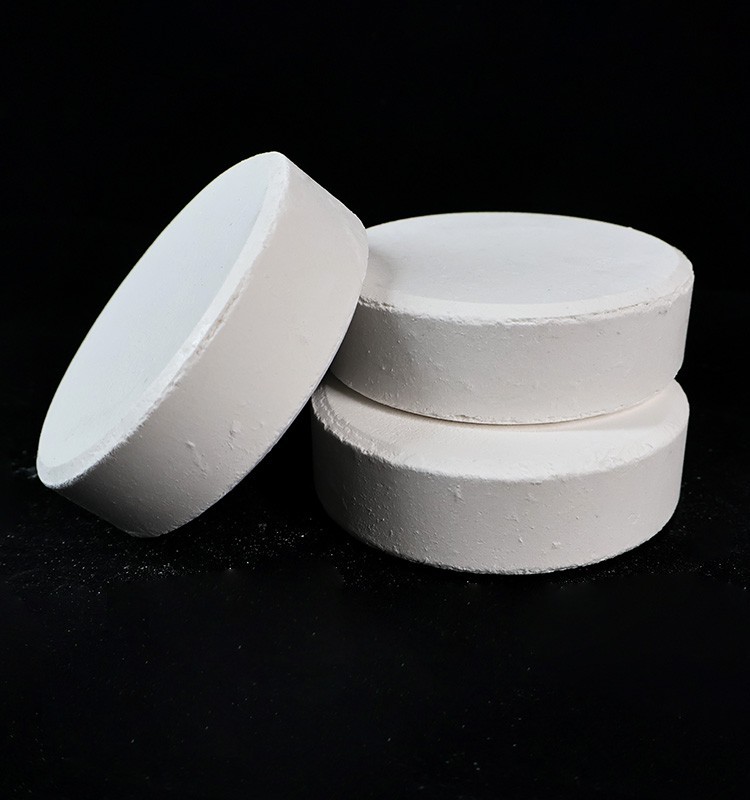
Dehumidification and drying block is a functional material that absorbs environmental moisture and reduces humidity through physical or chemical means. Its core principle is based on adsorption and material properties:
(1) Physical adsorption type: Using natural diatomaceous earth, activated carbon, molecular sieve and other substrates, the porous structure is used to adsorb water molecules in the air, with an adsorption capacity of up to 30% -50% of its own weight.
(2) Chemical hygroscopic type: mainly composed of inorganic salts such as calcium chloride and calcium oxide, water vapor is converted into crystalline water through chemical reactions (such as CaCl ₂+6H ₂ O → CaCl ₂ · 6H ₂ O), resulting in higher hygroscopic efficiency.
(3) Composite type: Combining physical adsorption and chemical moisture absorption, such as adding calcium chloride particles to diatomaceous earth, balancing rapid moisture absorption and long-term moisture resistance.
(4) Intelligent response type: Some high-end dehumidification and drying blocks are equipped with humidity sensing materials, which automatically start moisture absorption when the environmental humidity exceeds a threshold (such as 60% RH), and stop working when the humidity decreases.
2. Type and Applicable Scenarios
According to materials and application scenarios, dehumidification and drying blocks can be divided into the following types:
(1) Food grade dehumidification and drying block: Made of natural diatomaceous earth or food grade calcium chloride, it can directly contact grains, seasonings, tea leaves, etc., preventing moisture and clumping, and extending shelf life.
(2) Industrial grade dehumidification and drying block: mainly composed of molecular sieves or highly active calcium oxide, used for storage of electronic components and precision instruments, controlling humidity below 5% RH to avoid oxidation and corrosion.
(3) Home dehumidification and drying block: usually small packaging calcium chloride blocks, paired with breathable paper bags, suitable for small spaces such as wardrobes, shoe cabinets, and study rooms. A single pack can absorb 200-500ml of moisture.
(4) Logistics transportation dehumidification and drying block: specially designed for large containers, with a single block moisture absorption capacity of up to 1-2L, to prevent the goods from becoming moldy or deformed due to high humidity during transportation.
3. Advantages and limitations
The dehumidification and drying block has significant characteristics compared to traditional dehumidification methods:
(1) Advantages:
No energy required: relying on the inherent moisture absorption properties of the material, without the need for plugging in or external equipment, energy-saving and environmentally friendly.
Silent and pollution-free: No mechanical operation noise, no generation of secondary pollution such as ozone.
Portable and flexible: can be trimmed and stacked to adapt to different shaped spaces.
Low cost: The unit price is as low as 0.5-2 yuan/piece, suitable for large-scale use.
(2) Limitations:
Limited moisture absorption capacity: After a single piece is saturated with moisture, it needs to be replaced or regenerated (such as heating and drying).
Small scope of application: Ordinary household blocks are only suitable for spaces of 1-3m ³, and large spaces require multiple blocks to be combined.
Affected by temperature: The moisture absorption rate increases in high temperature environments, but low temperature may reduce efficiency.
4. Usage and precautions
Proper use can maximize the effectiveness of dehumidification and drying blocks:
(1) Placement: Place in the center of a confined space or near a source of moisture (such as a bathroom door, refrigerator compartment), avoiding direct contact with metal surfaces (which may cause electrochemical corrosion).
(2) Replacement cycle: Adjust according to environmental humidity, replace every 1-2 weeks in high humidity areas (such as the southern rainy season), and extend to 1-2 months in dry areas.
(3) Recycling: Physical adsorption type can restore moisture absorption capacity by drying at 100 ℃, while chemical adsorption type needs to be discarded after saturation (some can be recycled for road de icing).
(4) Safety precautions: To prevent children from ingesting calcium chloride blocks, rinse with clean water after contact with the skin. Calcium oxide blocks will release heat when in contact with water and should be kept away from water sources.
Although the dehumidification and drying block may seem small and compact, it plays an important role in protecting items and improving the quality of life that cannot be ignored. In a humid environment, items are prone to moisture, mold, deterioration, and damage, which not only causes economic losses but may also affect our health. And the dehumidification and drying block is like a loyal "guardian", silently eliminating the interference of moisture for us, keeping clothes dry and fresh, preventing books and electronic products from being eroded by moisture, and making our living and working environment more comfortable and pleasant. Its existence allows us to no longer worry when facing humid weather, adding peace of mind and security to our lives.

 E-mail:jcl@jichanglong.com
 WhatsApp:+8618560709619
 Address:Block B, Polymer Materials Industry Innovation Park,No. 51, Lutai Avenue, High-tech Zone, Zibo City, Shandong Province


