In today's rapidly evolving society, controlling air humidity is no longer merely a matter of comfort—it directly impacts product quality, storage safety, and production stability. Whether preventing dampness in household clothing or safeguarding product performance in industrial manufacturing, dehumidification and drying block has become an indispensable process. Among various dehumidification and drying block methods, dehumidifying drying blocks are increasingly emerging as irreplaceable materials in both daily life and industrial production due to their efficiency, convenience, environmental friendliness, and safety.
Dehumidifying blocks utilize chemical moisture absorption principles to remove humidity. Through specific formulations and hygroscopic media, they actively draw moisture from the air, thereby reducing environmental humidity. Unlike traditional mechanical dehumidifiers, they require no electricity or complex equipment. Their ease of use, low cost, and exceptional adaptability make them widely applicable in household storage, food moisture prevention, electronics manufacturing, precision instrument protection, and numerous other fields.
The core of dehumidifying drying blocks lies in their internal moisture-absorbing materials. These materials are typically polymeric porous substances, inorganic salts, mineral powders, or composite desiccants, such as calcium chloride, silica gel, calcium oxide, or molecular sieves. They bind with moisture in the air through chemical reactions or physical adsorption, thereby achieving moisture absorption and dehumidification and drying block.
When exposed to humid air, the surface of the desiccant block rapidly absorbs water vapor, trapping water molecules within its internal pores. Some types transform into liquid or gel-like states upon moisture absorption—a process termed “solvent-type desiccation”—while others adsorb water through solid crystalline structures, maintaining stable form. These diverse mechanisms enable efficient operation across varied environments.
More importantly, modern desiccant blocks feature innovative material structures. Many products employ multi-layer hygroscopic composite structures that absorb moisture in stages, extending service life. Some high-end products achieve a “moisture absorption-release-regeneration” cycle, significantly enhancing economic and environmental value.
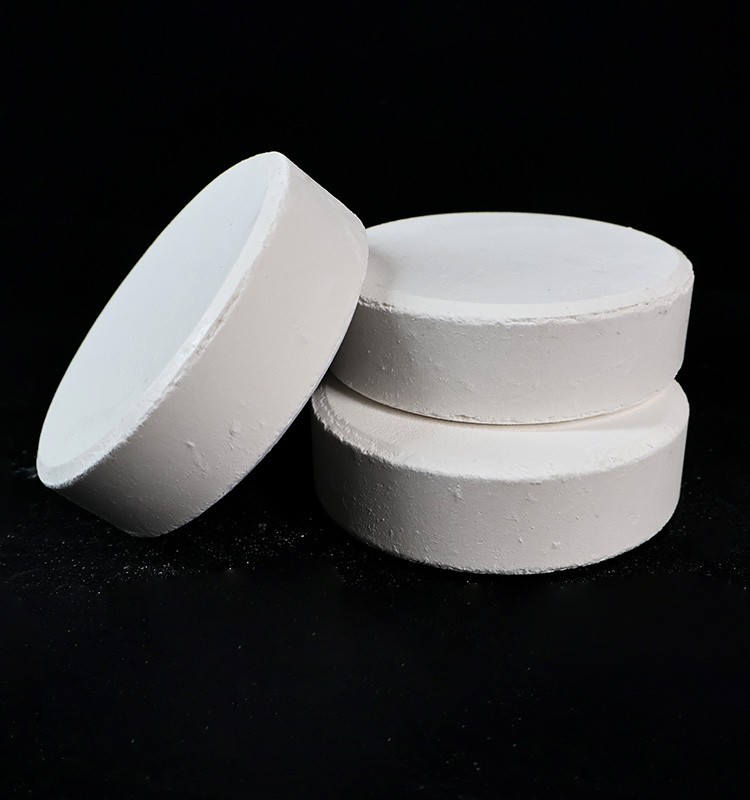
The foremost advantage lies in their rapid moisture absorption capability. Their internal microporous structure provides extensive surface area, enabling absorption speeds far exceeding traditional desiccant bags or drying agents.
In humid environments, they can significantly reduce air humidity within hours, effectively preventing items from dampness and mold growth.
For instance, during southern China's rainy season or in coastal high-humidity areas, placing these blocks in wardrobes, shoe cabinets, or storage rooms rapidly absorbs excess moisture, maintaining a dry space.
In industrial applications, their moisture absorption rate is even more pronounced. Processes like chip packaging, electronic assembly, and optical component storage are highly sensitive to humidity. Dehumidifying blocks can stabilize humidity levels in a short time, preventing moisture from causing metal oxidation, circuit failure, or adhesive layer detachment.
Unlike electric dehumidifiers or air conditioner dehumidification and drying block modes, dehumidifying blocks are purely physical moisture-absorbing materials that require no external energy source during operation. This feature makes them exceptionally energy-efficient and environmentally friendly.
Users need not worry about electricity consumption, noise, or heat generation; simply place them in the appropriate location for continuous moisture absorption.
For large storage areas, unattended warehouses, or logistics transportation, desiccant blocks achieve zero-energy dehumidification and drying block—economical and eco-friendly.
Furthermore, modern desiccant blocks often use biodegradable packaging materials, and the desiccant itself meets environmental standards. They release no harmful gases or chemical residues, ensuring safety while aligning with green manufacturing principles.
Dehumidifying blocks require no installation or operation. Users simply open the packaging and place them in the desired location for automatic activation.
Once saturated, the desiccant can be replaced or regenerated for continued use, making maintenance extremely straightforward.
For home use, many brands incorporate moisture-indicator cards into their blocks. Color changes provide an intuitive visual cue for replacement, enhancing user experience with smart functionality.
In industrial production, businesses can place dehumidifying blocks in bulk within sealed cabinets, packaging boxes, or shipping containers. They effectively prevent moisture and rust without disrupting production processes, requiring minimal manual intervention and significantly reducing management costs.
Dehumidifying drying blocks demonstrate exceptional environmental adaptability, maintaining stable moisture absorption performance across high-temperature, low-temperature, and high-humidity conditions. Their applications span multiple domains including household living, commercial storage, and industrial manufacturing.
- Household Use: Place in wardrobes, shoe cabinets, drawers, bookshelves, and storage rooms to prevent moisture damage to clothing, leather goods, paper, and furniture.
- Food Storage: Preserves grains, tea leaves, coffee beans, spices, and seasonings by preventing clumping, mold growth, and flavor deterioration.
- Electronics Industry: Widely used for moisture-proof storage of circuit boards, chip packaging, display components, and precision instruments.
- Metal & Machinery Sector: Prevents oxidation and rust in mechanical parts, molds, and metal product packaging.
- Pharmaceuticals & Laboratories: Maintains drug integrity, prevents chemical reagent degradation, and ensures experimental data accuracy.
- Logistics & Shipping: Prevents condensation issues in container transport, safeguards cargo quality, and minimizes losses.
This “ubiquitous moisture protection” makes desiccant blocks an essential, unseen link between households and industrial applications.
Premium desiccant blocks are typically made from food-grade or industrial-safe materials. They feature stable chemical properties, emit no irritating odors, and produce no harmful volatiles. Even when placed in confined spaces for extended periods, they pose no health risks to humans.
For high-safety-demand sectors like food and pharmaceutical storage, the environmental friendliness and stability of desiccant blocks are particularly crucial.
Some premium products have obtained international environmental certifications like EU RoHS and REACH, making them safe for export packaging and cross-border logistics.
Dehumidifying blocks not only boast strong moisture absorption but also offer extended efficacy. Standard household units maintain performance for 1-2 months during humid seasons, while industrial-grade products sustain stable moisture absorption for months or longer.
Certain composite desiccant blocks can be regenerated through heating, drying, or natural sun exposure to restore their moisture-absorbing capacity, allowing for reuse dozens of times and significantly reducing long-term operating costs.
This regenerative property makes desiccant blocks an ideal choice combining economic efficiency with environmental sustainability.
Compared to mechanical dehumidification and drying block systems, desiccant blocks offer extremely low procurement and maintenance costs. Household users can purchase a set for just a few dollars; industrial users can achieve large-scale moisture protection at extremely low unit costs through bulk purchasing.
Requiring no electricity, maintenance, and being reusable, their long-term cost is only one-tenth that of traditional dehumidification and drying block equipment.
Consequently, desiccant blocks are widely adopted in electronics, food, pharmaceuticals, warehousing, logistics, and other industries, gradually becoming standardized moisture-proof accessories.
With continuous technological advancement, the material properties and production processes of dehumidifying drying blocks are undergoing ongoing upgrades. Future blocks will become more efficient, intelligent, and eco-friendly, primarily exhibiting the following trends:
(1) Smart Color-Changing Indicator Technology: Real-time display of moisture absorption status through color changes in humidity indicators, enabling users to easily determine replacement timing.
(2) Multi-layer Composite Moisture-Absorbing Structure: Enables tiered moisture absorption, extending continuous dehumidification and drying block duration.
(3) Bio-based Eco-friendly Materials: Incorporates natural plant fibers and biodegradable desiccants to reduce environmental pollution.
(4) Regeneration Technology Optimization: Low-temperature rapid drying regeneration systems increase material recycling cycles for greater cost-effectiveness.
(5) Application of Nano-porous Moisture-Absorbing Materials: Utilizes nano-porous structures to enhance absorption speed and capacity, achieving higher efficiency.
As a simple, efficient, and eco-friendly moisture-absorbing material, dehumidifying blocks are becoming indispensable humidity control tools in both household and industrial settings. Their advantages include zero energy consumption, rapid dehumidification and drying block, safety, reliability, and ease of use.
They not only create drier, more comfortable living environments but also provide stable protection for electronics manufacturing, food storage, and precision equipment.
Under the future trend of green, low-carbon, and intelligent industrial development, dehumidifying drying blocks will undoubtedly play an increasingly vital role. They are not merely a material but a smart humidity management solution—a prime example of technology seamlessly integrating with daily life.

 E-mail:jcl@jichanglong.com
 WhatsApp:+8618560709619
 Address:Block B, Polymer Materials Industry Innovation Park,No. 51, Lutai Avenue, High-tech Zone, Zibo City, Shandong Province
Our company specializes in vanadium inhibitors , dehumidification and drying block, calcium hypochlorite disinfectant tablet, polyacrylamide and other products. With over 20 years of experience, we offer quality assurance and wholesale prices.


