In modern petrochemical and refining industries, vanadium inhibitors serve as critical chemical additives widely used in petroleum refining processes, particularly playing a vital role in protecting refining equipment. Vanadium is a common catalyst poisoning agent, especially during crude oil cracking. Its presence not only impairs reaction efficiency but may also lead to catalyst failure and equipment damage. Therefore, vanadium inhibitors, as an effective means to control and prevent vanadium poisoning, have become increasingly important in the refining and petrochemical industries.
Vanadium inhibitors are chemical substances that suppress or reduce the poisoning effect of vanadium on catalysts. Their primary function is to react with vanadium compounds, forming compounds that are difficult to bind to the catalyst surface. This prevents vanadium poisoning, extends catalyst lifespan, and reduces equipment damage risks. Vanadium inhibitors possess the following characteristics:
- Reducing Vanadium Activity: Neutralizes vanadium's catalytic activity through chemical reactions, preventing interaction with catalysts and mitigating vanadium toxicity.
- Minimizing Catalyst Poisoning: Effectively reduces vanadium's detrimental effects on catalysts during cracking reactions, enhancing reaction efficiency and extending catalyst service life.
- Extend equipment lifespan: Inhibit vanadium's corrosive effects, reduce erosion of refining equipment, and prolong operational durability.
Vanadium inhibitors typically exhibit excellent thermal and chemical stability, maintaining effectiveness under high-temperature conditions. They generally react with vanadium compounds to form insoluble substances, preventing corrosion of reactor walls or catalyst surfaces. Modern vanadium inhibitor research and application has evolved from traditional simple chemicals to intelligent, environmentally friendly multifunctional chemical additives with higher application efficiency.
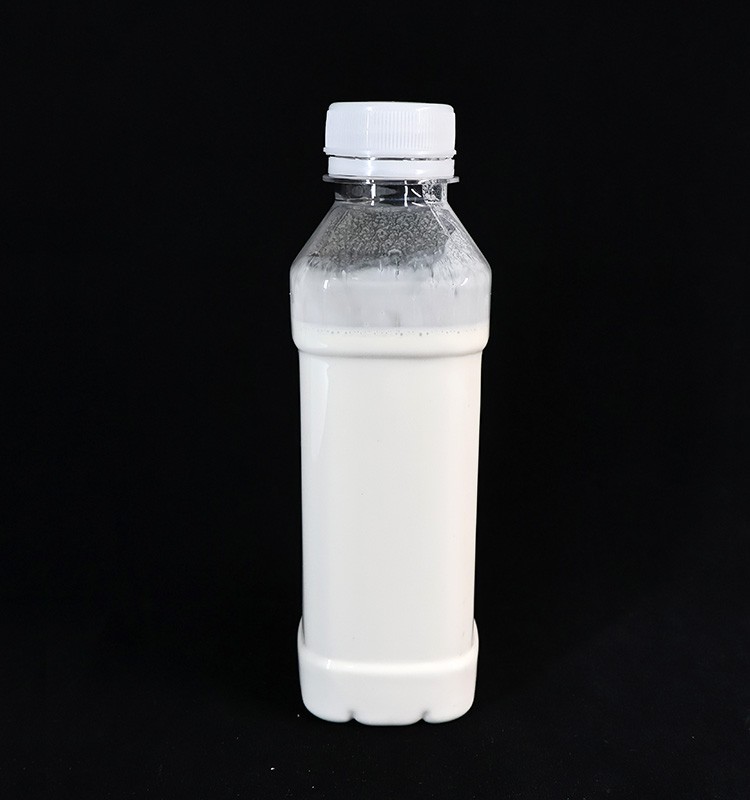
Vanadium inhibitors primarily originate from three categories: natural sources, synthetic sources, and waste recycling. Each source possesses distinct characteristics, allowing selection of different inhibitor types based on specific industrial requirements and environmental conditions. Below are several common sources of vanadium inhibitors:
Natural vanadium inhibitors primarily originate from minerals and natural chemical substances. These materials are extracted through physical or chemical methods and utilized in industrial production. Common natural sources include:
- Natural vanadium minerals: Examples include vanadinite and titaniferous vanadate. These minerals contain vanadium, which can be extracted through chemical processing and further refined into vanadium inhibitors. Vanadium typically exists as vanadium oxide within these minerals. Through extraction and processing, it can be transformed into chemical agents that suppress vanadium poisoning.
- Phosphate rock: Phosphate rock often contains vanadium, particularly in certain phosphate minerals. Vanadium extracted from phosphate rock can be used to produce vanadium suppressants. The advantage of these suppressants is their generally lower cost. However, due to the complexity of the extraction process and potential impurities, further purification is required for industrial applications.
Naturally sourced vanadium inhibitors generally offer lower costs. However, their extraction processes may present significant technical challenges, and the resulting product quality may be inferior to that of synthetic vanadium inhibitors.
Synthetic vanadium inhibitors are chemical substances extracted or synthesized from various raw materials through chemical synthesis methods. Compared to natural minerals, synthetic inhibitors offer greater controllability, allowing their chemical composition to be tailored to specific industrial requirements. Common synthetic vanadium inhibitor sources include:
- Organic vanadium compounds: Organic vanadium compounds, such as vanadates and vanadium complexes, are frequently used as vanadium inhibitors. By synthesizing these organic compounds, their structure and function can be precisely controlled, enhancing stability under high temperatures and chemical reactions. For example, common organic vanadium compounds include sodium vanadate (NaVO₃) and ammonium vanadate (NH₄VO₃). These compounds not only demonstrate excellent vanadium suppression capabilities but also exhibit strong stability in high-temperature environments.
- Inorganic Vanadium Compounds: Inorganic vanadium compounds such as vanadium oxides and vanadates can also serve as vanadium inhibitors. By synthesizing high-purity compounds like sodium vanadate and calcium vanadate, their role in suppressing vanadium poisoning can be effectively harnessed. The advantage of inorganic vanadium compounds lies in their simple structures and stable properties, making them suitable for harsh industrial environments involving high temperatures and pressures.
- Complex Synthesis: By synthesizing complexes between vanadium and other elements (e.g., vanadium-amino acid or vanadium-organic acid complexes), these complexes effectively neutralize vanadium's catalytic activity, preventing its binding to the catalyst surface and thereby extending catalyst lifespan. This synthetic approach offers flexibility and strong tunability, allowing vanadium inhibitors to be customized for specific application requirements.
The advantages of synthetically produced vanadium inhibitors lie in their abundant sources, flexible synthesis methods, and the ability to tailor them to specific application requirements. By precisely controlling chemical composition, the efficiency and stability of vanadium inhibitors can be enhanced to meet the diverse needs of refining and petrochemical industries.
Waste recovery represents another significant avenue for obtaining vanadium inhibitors. Certain industrial wastes may contain substantial vanadium content, particularly in mining, metallurgical, and petrochemical sectors where spent catalysts, flue dust, and similar materials often harbor vanadium compounds. Vanadium from these wastes can be chemically recovered and converted into inhibitors. Common waste sources include:
- Spent Catalysts: Catalysts used in processes like petroleum cracking and heavy oil hydrogenation often contain vanadium. Recovering vanadium from these spent catalysts enables its use in suppressant production. With high vanadium concentrations in spent catalysts, recycling reduces resource waste and lowers production costs.
- Flue Gas Residues: Vanadium compounds may be present in flue gases from coal and petroleum combustion. These exhaust gases can be filtered or adsorbed to recover vanadium, which is then converted into vanadium inhibitors. This approach not only recovers valuable vanadium but also reduces environmental pollution, offering significant ecological benefits.
The advantage of waste recycling lies in its dual capability to reduce resource waste and effectively mitigate environmental pollution. However, this method demands high standards for vanadium extraction and purification, and the recovery process is relatively complex, potentially constrained by environmental conditions and equipment limitations.
Vanadium inhibitors find extensive use in the refining industry, particularly in petroleum cracking and fluid catalytic cracking (FCC) processes. They significantly reduce vanadium poisoning of catalysts, extend catalyst lifespan, and enhance reaction efficiency. Key applications in refining and petrochemical industries include:
During petroleum cracking, vanadium compounds in crude oil may impair catalyst performance, leading to catalyst poisoning and failure. Vanadium inhibitors react with vanadium compounds to prevent their toxic effects on catalysts, ensuring smooth petroleum refining operations, reducing catalyst replacement frequency, and lowering production costs.
Catalytic cracking is a vital petroleum processing technique widely used to convert heavy oils into light petroleum products. During this process, vanadium inhibitors neutralize the toxic effects of vanadium, maintaining catalyst activity and stability. This enhances oil yield and ensures efficient cracking reactions.
In high-temperature, high-pressure industrial reactions, vanadium inhibitors also shield reactor walls from vanadium compound corrosion, extending equipment lifespan. By effectively regulating environmental humidity and temperature, these inhibitors play a vital role in stabilizing reaction conditions across numerous high-temperature chemical processes.
With the global growth in energy demand and continuous advancements in petroleum processing technology, vanadium inhibitors are becoming increasingly vital in the refining and chemical industries. Research and development of more efficient vanadium inhibitors and their sources can effectively enhance catalytic cracking and other refining processes.

 E-mail:jcl@jichanglong.com
 WhatsApp:+8618560709619
 Address:Block B, Polymer Materials Industry Innovation Park,No. 51, Lutai Avenue, High-tech Zone, Zibo City, Shandong Province
Our company specializes in vanadium inhibitors , dehumidification and drying block, calcium hypochlorite disinfectant tablet, polyacrylamide and other products. With over 20 years of experience, we offer quality assurance and wholesale prices.


