Vanadium is an important transition metal element, widely present in certain petroleum fuels, ores, industrial ash, and other raw materials. In sectors such as metallurgy, petroleum processing, fuel combustion, and industrial water treatment, vanadium and its compounds can affect production processes, equipment operation, and material performance. Consequently, managing vanadium-related reactions and mitigating their adverse effects has become a priority for many industrial enterprises.
"Vanadium inhibitors" generally refer to a category of chemical substances used to suppress specific adverse effects caused by vanadium or to alter the reaction behavior of vanadium compounds. However, these inhibitors do not constitute a single, uniform class of products with a fixed chemical composition; rather, the specific challenges posed by vanadium vary across industries, as do the control methods employed.
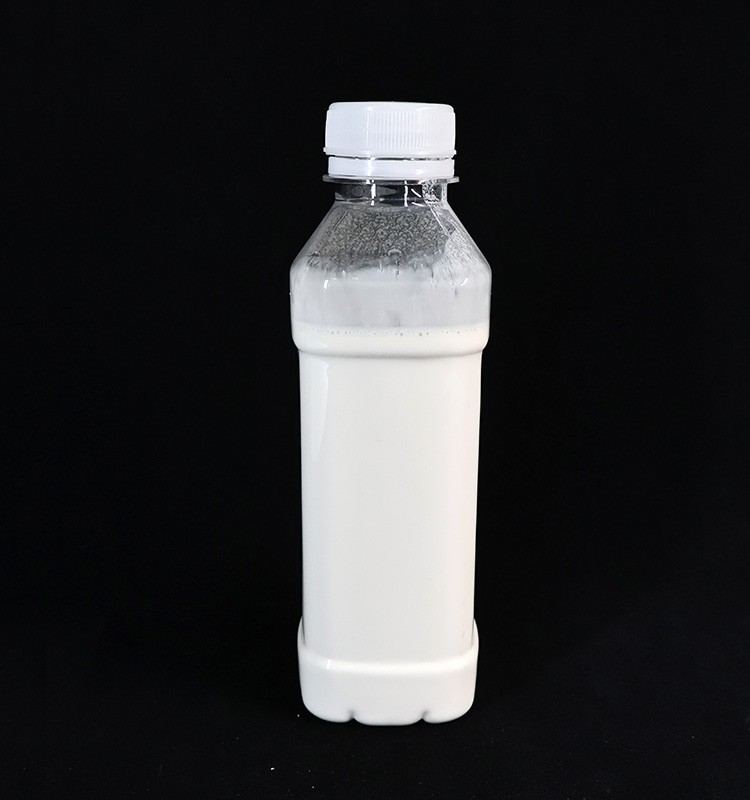
Vanadium inhibitors are chemical products or functional additives designed to manage specific issues arising from the presence of vanadium and its compounds. Their function depends on the specific industrial environment and may include altering the reaction products of vanadium compounds, lowering the risk of high-temperature corrosion, reducing the harm caused by certain types of deposits, or working in tandem with other processes to manage vanadium-containing substances.
It is important to note that vanadium inhibitors are not identical to "vanadium removal agents." While inhibitors typically focus on suppressing detrimental reactions or mitigating the impact of vanadium, removal agents are primarily used to extract vanadium from liquids, raw materials, or other process media. The two differ in terms of their objectives, chemical mechanisms, and methods of application.
Magnesium oxide is a notable material used for controlling high-temperature vanadium-induced corrosion. In certain heavy-oil combustion systems, vanadium present in the fuel can oxidize to form various vanadium oxides, which may subsequently react with other elements to produce deposits characterized by low melting points or high corrosivity. Under appropriate conditions, magnesium oxide can react with these vanadium oxides to form magnesium-vanadium compounds, such as magnesium vanadates. These reaction products possess different physicochemical properties compared to the original vanadium compounds, thereby altering the melting characteristics of the ash and its corrosive impact on metal surfaces.
The advantages of magnesium oxide include its well-defined chemical composition and excellent thermal stability, making it a suitable industrial additive for specific high-temperature processes. However, its effectiveness cannot be judged solely based on product purity; factors such as particle characteristics, dispersion, reaction conditions, and the actual composition of the fuel must also be considered.
In addition to magnesium oxide, certain other magnesium-based compounds may be used in specific strategies for controlling vanadium-induced corrosion. These compounds differ in their decomposition behavior, reactivity, effective magnesium content, and operational requirements. For instance, some magnesium compounds can transform into reactive magnesium-containing species at high temperatures, which then participate in subsequent reactions. Whether a particular magnesium compound is suitable for a specific piece of equipment must be determined based on its technical specifications, operational experience, and process testing.
In contexts outside of high-temperature combustion, addressing vanadium-related issues may require entirely different approaches. For example, in certain aqueous solutions containing vanadium, chemical conditions can be adjusted to convert vanadium into a form suitable for subsequent separation. Other industrial processes may employ adsorption materials, ion-exchange resins, or membrane separation technologies.
During combustion, vanadium-bearing fuels can form a variety of vanadium oxides. The reactions of these oxides with elements such as sodium, magnesium, and sulfur influence the final composition of the ash. When appropriate magnesium-based materials are introduced, some vanadium compounds may be converted into magnesium vanadates or other magnesium-containing products. These reaction products exhibit different melting behaviors and corrosive characteristics compared to the original deposits. This transformation helps mitigate the risk of high-temperature corrosion caused by low-melting-point substances; however, the actual outcome depends on the overall chemical composition of the ash, rather than solely on the magnesium content.
In high-temperature equipment, the formation of a molten phase within the ash is a critical factor influencing both deposition and corrosion. Certain low-melting-point compounds can form highly adhesive deposits at high temperatures and engage in complex chemical interactions with metal surfaces. By altering the chemical composition of the deposits, magnesium-based additives can potentially raise the melting temperature of certain reaction products or reduce the proportion of corrosive molten phases. It should be noted, however, that not all magnesium-based additives are capable of increasing the melting temperature of ash under every set of conditions. The concentrations of sodium, sulfur, and other elements also influence the reaction outcomes; therefore, assessments must be tailored to the specific fuel and equipment conditions.
High-temperature metal components typically rely on a protective oxide layer that forms on their surfaces to slow further oxidation. When certain corrosive molten ash deposits come into contact with these metal surfaces, this protective layer can be compromised, accelerating metal corrosion. Under appropriate operating conditions, vanadium inhibitors can alter the properties of the ash, thereby reducing the detrimental impact of certain corrosive deposits on the protective layer. This helps improve equipment operating conditions and may decrease the need for maintenance and overhauls.
However, vanadium inhibitors are not a substitute for proper material selection, fuel management, temperature control, or equipment maintenance. If there are significant variations in fuel composition, or if other corrosion mechanisms are present, a comprehensive analysis is required.
Some heavy fuel oils contain varying amounts of vanadium and other metallic elements. Upon combustion, these elements can end up in the ash, forming deposits on the surfaces of high-temperature equipment. In industrial systems that utilize heavy fuel oil, vanadium-induced corrosion can affect the condition of boilers, combustion equipment, and related high-temperature components. Magnesium-based additives can be employed as part of a targeted strategy to control vanadium-induced corrosion by modifying the chemical composition of the ash.
In practice, it is necessary to analyze the fuel for vanadium, sodium, sulfur, and other relevant elements, and to determine the appropriate treatment strategy based on combustion temperatures, the nature of ash deposits, and the materials used in the equipment. Because fuel sources can vary significantly, a uniform additive dosage cannot be applied to all types of fuel.
In certain oil-fired boilers, industrial furnaces, and other high-temperature equipment, the use of vanadium-containing fuels can lead to ash deposition and high-temperature corrosion. The continuous accumulation of corrosive deposits can impair heat transfer efficiency, necessitate more frequent cleaning, and increase the maintenance burden on metal components.
Through effective fuel control, sound operational management, and the use of appropriate magnesium-based additives, many vanadium-related corrosion issues can be mitigated. Nevertheless, the decision to employ vanadium inhibitors should always be based on fuel analysis, equipment inspections, and professional technical assessment.
In some gas turbine systems that utilize liquid fuels, vanadium and other metallic impurities present in the fuel can affect the operational status of high-temperature components. Vanadium compounds can react with other ash constituents to form corrosive deposits. Such equipment typically imposes strict requirements regarding fuel quality and operating conditions. Consequently, the control of vanadium-induced corrosion requires a comprehensive approach that integrates fuel purification, equipment material selection, temperature management, and adherence to the manufacturer’s technical specifications.
Magnesium-based additives may be employed as part of validated treatment protocols; however, not all gas turbines are suited to the same vanadium-inhibition methods. Before implementation, it is essential to follow the recommendations provided by the equipment manufacturer and qualified technical professionals.
In the fields of metallurgy and mineral processing, vanadium may be present in ores, slags, leach liquors, and other process materials. In some instances, the objective is to mitigate interference caused by vanadium in specific processes; in others, vanadium itself is a valuable element targeted for recovery. When the goal is vanadium recovery, the process typically involves leaching, separation, extraction, or precipitation techniques tailored to the nature of the raw material—rather than the simple application of additives designed for high-temperature corrosion control.
Certain industrial, mining, or chemical wastewater streams may contain vanadium. In these applications, the primary focus is generally on controlling the migration of vanadium, reducing its concentration in the water, or ensuring compliance with downstream treatment and discharge requirements. Treatment strategies may encompass techniques such as chemical precipitation, adsorption, ion exchange, and membrane separation. The specific choice of method depends on factors including the oxidation state of the vanadium, its initial concentration, the pH of the solution, the presence of other ions, and the required final water quality.
For vanadium-bearing wastewater, process conditions should be determined through water quality analysis and bench-scale testing, followed by verification of the treated water quality. Magnesium oxide—often used in high-temperature combustion environments—should not be assumed to be a universal treatment agent for all types of vanadium-containing wastewater.
(1) In the context of controlling high-temperature vanadium-induced corrosion, appropriate magnesium-based additives can alter the properties of certain vanadium compounds, thereby reducing the risks posed by specific corrosive ash deposits. This facilitates equipment operation management and may reduce maintenance requirements stemming from corrosion-related issues.
(2) vanadium inhibitors can be integrated into overall equipment management, complementing fuel analysis, deposit monitoring, material selection, and the optimization of operational parameters. Through such comprehensive management, enterprises can more accurately identify vanadium-related issues and tailor treatment approaches to specific operational conditions.
(3) For vanadium-containing waste streams or other process media, appropriate vanadium-control technologies can help achieve specific water quality or process objectives. For instance, a well-designed separation process may reduce the concentration of vanadium in the liquid phase or create conditions suitable for subsequent vanadium recovery.
Before procurement, clearly define the specific problem to be addressed—whether it is mitigating the risk of high-temperature corrosion, reducing the detrimental effects of ash deposits, or lowering the vanadium concentration in a liquid medium. Different objectives may require different chemical reaction mechanisms and product types. Defining these goals helps ensure that the chemicals purchased are well-suited to the actual operating conditions.
In high-temperature combustion applications, it is essential to determine the content of vanadium and other major ash-forming elements in the fuel, while also evaluating equipment temperatures, materials of construction, and the nature of any deposits. In water treatment applications, one should analyze the vanadium concentration, oxidation state, pH, and other relevant constituents in the water sample. For complex systems, conducting laboratory tests or small-scale pilot trials is recommended.
During procurement, request technical data sheets, safety data sheets (SDS), and information regarding applicable operating conditions from the supplier. For magnesium-based additives, key parameters to consider include the concentration of active ingredients, particle size, dispersion characteristics, and product stability. If a supplier claims that a product can significantly reduce corrosion or improve treatment outcomes, request technical evidence relevant to your specific application rather than relying solely on promotional materials.
The total cost of using a vanadium inhibitor encompasses not only the unit price of the product but also expenses related to transportation, storage, dosing equipment, operation and maintenance, and the subsequent handling of waste. A product with a lower unit price may ultimately result in higher overall costs if it has a low concentration of active ingredients, poor dispersion properties, or suboptimal treatment performance. Therefore, a comprehensive comparison should be made based on actual treatment performance and operational data.
(1) Verify the intended scope of application for the product. Additives designed for high-temperature combustion systems may serve entirely different purposes than chemicals intended for the treatment of vanadium-containing waste liquids; they should not be used interchangeably without careful consideration.
(2) Develop an application strategy tailored to specific operating conditions. Factors such as dosage, injection point, mixing method, and reaction conditions can all influence the final outcome. For high-temperature equipment, assessments should incorporate fuel analysis and the technical requirements specified by the equipment manufacturer. For water treatment projects, appropriate process parameters should be determined through bench-scale testing and water quality analysis.
(3) Ensure proper product storage and personnel protection. Before use, consult the Safety Data Sheet (SDS), implement the required protective measures, and avoid mixing different chemicals unless the potential reactions have been thoroughly evaluated.
(4) Continuously monitor treatment effectiveness. For high-temperature equipment, this may involve analyzing fuel composition and ash content, conducting corrosion inspections, and reviewing operational data. For water treatment systems, monitor parameters such as vanadium concentration (before and after treatment), pH levels, and other relevant water quality indicators.
(5) Adjust the process strategy based on monitoring results. If the treatment performance falls short of expectations, re-examine the composition of the raw materials, equipment conditions, and reaction mechanisms—rather than simply increasing the dosage of the chemicals.
There is no single "vanadium inhibitor" that is universally applicable across all industries. In sectors such as metallurgy, water treatment, and the handling of vanadium-containing waste liquids, enterprises may need to employ specific techniques—such as chemical precipitation, adsorption, or ion exchange—tailored to their unique requirements. When selecting a vanadium inhibitor, first define the treatment objectives, then evaluate options based on the chemical form of the vanadium, the composition of the raw materials, equipment specifications, and technical requirements. Through scientific selection, standardized operational procedures, and continuous monitoring, enterprises can more effectively manage vanadium-related issues, enhance the operational stability of industrial systems, and improve both the economic efficiency and reliability of their treatment processes.

 E-mail:jcl@jichanglong.com
 WhatsApp:+8618560709619
 Address:Block B, Polymer Materials Industry Innovation Park,No. 51, Lutai Avenue, High-tech Zone, Zibo City, Shandong Province
Our company specializes in vanadium inhibitors , dehumidification and drying block, calcium hypochlorite disinfectant tablet, polyacrylamide and other products. With over 20 years of experience, we offer quality assurance and wholesale prices.


