With the continuous development of swimming pools, aquatic leisure facilities, and commercial water sports venues, the management of pool water quality has become a crucial aspect of routine maintenance. Clear, transparent water not only enhances the swimming experience but also enables facility managers to promptly identify any water quality irregularities. In practice, however, swimming pools may encounter issues such as water turbidity, an increase in suspended particles, the accumulation of sediment on the pool floor, or the appearance of various types of stains on the pool walls. To improve water clarity and reduce suspended impurities, aluminum sulfate—a common inorganic coagulant—has gained attention within the water treatment industry.
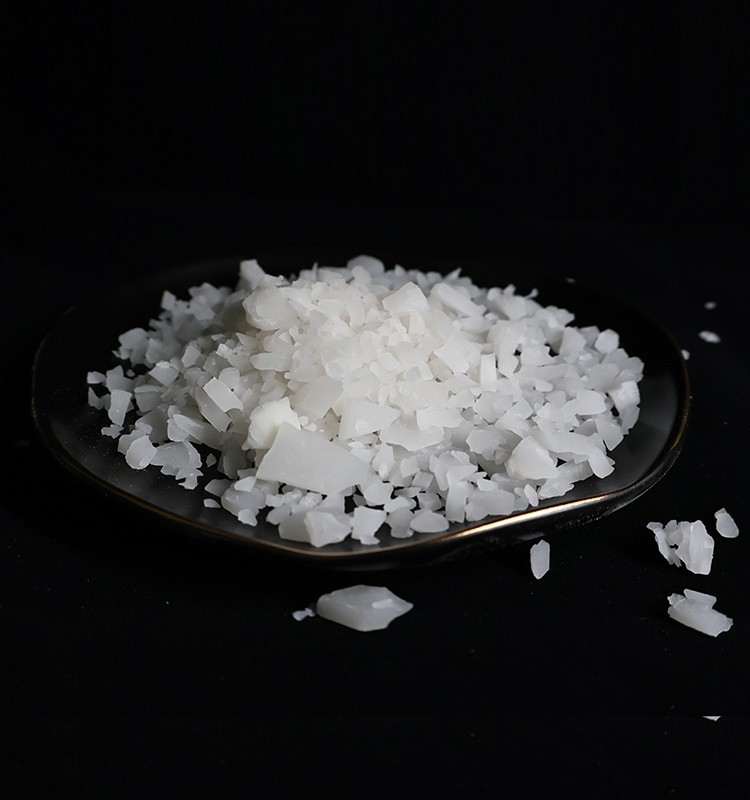
Aluminum sulfate is a common inorganic aluminum salt, typically represented by the chemical formula Al₂(SO₄)₃. It is widely used in the treatment of drinking water and industrial water, in papermaking, in various industrial manufacturing processes, and in other applications that rely on the process of coagulation.
In water treatment, aluminum sulfate functions as a coagulant. When added to water under appropriate conditions, it undergoes hydrolysis, forming a variety of aluminum-based hydrolysis species. Given the right water quality parameters, these species help diminish the repulsive forces between fine suspended particles, allowing them to aggregate into larger clusters known as "flocs."
In the context of swimming pool water treatment, aluminum sulfate is sometimes referred to as "pool alum" or categorized as a type of pool flocculant. It is important to note, however, that aluminum sulfate, traditional alum, and other aluminum-based coagulants may differ in terms of their specific composition, purity, and usage requirements. Furthermore, not all such products are suitable for every type of swimming pool.
Some impurities in swimming pool water are extremely fine and may remain suspended for long periods, making them difficult to remove quickly through standard filtration. These particles can originate from dust, soil, environmental pollutants, or other external sources, and may also be linked to organic matter introduced during pool use. When the concentration of suspended particles is high, the water may appear turbid; in such cases, even continuous operation of the filtration system may not be sufficient to rapidly restore water clarity.
(1) Once introduced into the water, aluminum sulfate undergoes hydrolysis, a process influenced by the water's pH level and other chemical conditions. The resulting aluminum species can alter the surface charge of certain suspended particles, allowing them to move closer to one another.
(2) Under the right conditions, the aluminum hydroxide flocs that form can aggregate fine particles through mechanisms such as adsorption and entrapment, creating larger clusters (flocs) that are more easily visible to the naked eye.
(3) These flocs can then either settle to the bottom or be removed via a compatible filtration system. The specific removal method depends on the pool's circulation system, filtration equipment, and the product's usage instructions.
It is important to note that aluminum sulfate does not automatically eliminate all contaminants. Its primary value lies in enhancing the removal of specific types of suspended particles; it is not a substitute for filtration, disinfection, or other essential pool maintenance procedures.
This is one of the primary scenarios where aluminum sulfate is effective. When pool water contains a high concentration of fine dust, soil particles, or other suspended impurities suitable for coagulation, the water may appear cloudy, grayish, or lack clarity. Provided the product is appropriate, the chemical conditions are correct, and the treatment process is followed properly, aluminum sulfate can help these particles aggregate into larger flocs, making them easier to remove. However, cloudy water can also be caused by faulty filtration equipment, inadequate disinfection, algae growth, or the presence of other substances. Simply adding aluminum sulfate without first identifying the root cause may not resolve the issue.
Some fine particles may gradually settle on the pool floor when water circulation slows down. If this sediment consists primarily of suspended particles that can be aggregated through coagulation, a flocculation treatment may help consolidate them into deposits that are easier to collect. This does not mean, however, that all debris on the pool floor can be removed using aluminum sulfate. Heavier grit, firmly adhered sludge, algae deposits, and other specific types of contaminants may require different cleaning methods. Flocs that have settled on the pool floor must be removed in accordance with the instructions provided for your specific pool equipment and products, taking care not to stir up the sediment during the cleaning process.
Outdoor swimming pools are susceptible to contamination from wind-blown debris, fallen leaves, pollen, and other environmental pollutants. Once these substances enter the pool water, they can increase the burden on the filtration system and compromise water clarity. For fine suspended particles that respond well to coagulation, aluminum sulfate can serve as a helpful aid. However, larger debris—such as leaves, insects, and other solid matter—should primarily be removed using a skimmer, manual cleaning, or appropriate filtration equipment. Consequently, aluminum sulfate is best viewed as an auxiliary treatment for specific water quality issues, rather than a universal solution for all types of external contamination.
The presence of iron, copper, or other metal ions in pool water can lead to the formation of yellowish-brown, blue-green, or otherwise discolored deposits. Such issues may stem from the water source used to fill the pool, metal plumbing components, equipment corrosion, or other metallic sources. Aluminum sulfate is not an effective or reliable method for removing existing metal stains, nor can it serve as a substitute for specialized treatments designed to address metal contamination. In such cases, you should first test the water for metal content to determine if the stains are indeed caused by metal deposits, then select an appropriate treatment method based on the pool materials, product instructions, and current water quality conditions.
Algae growth can occur when a pool lacks sufficient disinfection, proper water circulation, or adequate maintenance. Algae may turn the pool water green or form a green, dark, or slimy layer on the pool walls and floor. Aluminum sulfate is not an algaecide and cannot replace proper pool sanitizers. When dealing with algae, you should inspect your disinfection system, filtration equipment, and water quality parameters, then take appropriate action as directed by product instructions. If the algae have formed a firmly attached layer, manual scrubbing combined with filtration and maintenance may also be required.
Sunscreen products, skin oils, and other organic substances introduced by swimmers can form oily films or stains on the water surface, pool walls, or along the waterline. Managing such contaminants typically requires proper filtration, surface cleaning, and the use of specialized treatment products compatible with the pool’s specific system. Aluminum sulfate (alum) is not guaranteed to effectively remove all oils or stubborn organic stains.
When water contains high levels of minerals—such as calcium or magnesium—or when the water balance is improper, white or grayish-white mineral deposits may form on pool surfaces. Addressing these issues generally requires an assessment of water hardness, alkalinity, pH, and other relevant parameters. Aluminum sulfate is not a dedicated descaling agent; its improper use could further disrupt water balance. Therefore, identifying the specific type of stain is the essential first step in selecting the correct treatment method.
The pH level is a critical factor influencing the hydrolysis and coagulation effectiveness of aluminum sulfate. As aluminum sulfate hydrolyzes in water, it may consume alkalinity and lower the pH. Consequently, it is important to monitor water quality after application to ensure the pH remains within the required range. If the water’s alkalinity is low, the addition of aluminum sulfate may cause a more pronounced drop in pH. The exact impact depends on the water’s buffering capacity, the specific composition of the product, and the conditions under which it is applied. Aluminum sulfate should never be added without first understanding the water quality, nor should water quality issues be addressed by indiscriminately adding other chemicals.
Total alkalinity reflects the water’s capacity to resist changes in pH. Because the hydrolysis of aluminum sulfate can consume alkalinity, this parameter should be monitored both before and after treatment. If alkalinity is too low, the water quality may become more prone to fluctuations. For pools that require stable water conditions, treatment plans should be developed based on test results and the specific requirements of the product being used.
Not all pool filtration systems are suitable for the same type of flocculation treatment. Some systems allow the use of flocculants under specific conditions, where the resulting flocs are removed via sedimentation and subsequent cleaning of the settled material. Other filtration systems, however, may not be suitable for handling large quantities of flocs, as these can overload the filter media, leading to clogging or increased resistance to water flow. Therefore, before using aluminum sulfate, it is essential to verify its compatibility with your specific pool filtration system and to adhere to the requirements provided by both the equipment and product manufacturers.
Swimming pool maintenance typically requires the simultaneous management of disinfection, pH levels, filtration, and other water quality parameters. Since different chemicals may interact with one another, aluminum sulfate should not be mixed directly with other pool chemicals. In particular, chlorine-based disinfectants, pH adjusters, and other water treatment agents must be managed separately, in accordance with their respective product instructions. Any approach involving the mixing or sequential dosing of chemicals requires a compatibility assessment.
(1) Avoid direct contact with the product in its powder or concentrated solution form. When handling or using the product, wear appropriate personal protective equipment—such as gloves and safety goggles—as specified in the safety documentation, and take care to avoid inhaling any dust.
(2) Store the product in a dry, well-ventilated area in accordance with the instructions on the label, and ensure it is kept separate from incompatible chemicals.
(3) Do not increase the dosage on your own. Adding an excessive amount of aluminum sulfate can alter the water’s pH and alkalinity, while also increasing the accumulation of residues and placing an unnecessary burden on the filtration system. The actual dosage should be determined based on the product label, the specific water quality of the pool, and professional guidance.
(4) Ensure that swimmers do not come into contact with the water while it is undergoing chemical treatment. Before reopening the pool, verify that the water quality has returned to safe, acceptable standards and complies with both the product manufacturer’s guidelines and local regulatory requirements.
(5) If you encounter abnormal water quality, significant sedimentation, clogging of the filtration system, or other issues, stop adding any further chemicals and seek assistance from a professional water treatment specialist. In general, the primary use of aluminum sulfate in swimming pool water treatment is to facilitate the aggregation of fine suspended particles, thereby addressing water turbidity in specific situations and assisting in sedimentation or filtration processes. For water quality issues caused by suspended impurities, appropriate aluminum sulfate products can serve as a component of a comprehensive pool maintenance regimen.
In practical application, it is essential to consider factors such as water pH, total alkalinity, the type of filtration system, compatibility with other chemicals, and the specific scope of the product's intended use. By selecting the right product, carefully managing the treatment process, and conducting regular water quality monitoring, pool operators can more effectively control suspended impurities, protect water treatment equipment, and maintain high-quality pool water. As water treatment technologies continue to evolve, coagulants like aluminum sulfate will remain relevant in scenarios where their specific application criteria are met. A scientifically grounded understanding of both the functions and the limitations of such products is a vital foundation for achieving safe and efficient pool maintenance.

 E-mail:jcl@jichanglong.com
 WhatsApp:+8618560709619
 Address:Block B, Polymer Materials Industry Innovation Park,No. 51, Lutai Avenue, High-tech Zone, Zibo City, Shandong Province
Our company specializes in vanadium inhibitors , dehumidification and drying block, calcium hypochlorite disinfectant tablet, polyacrylamide and other products. With over 20 years of experience, we offer quality assurance and wholesale prices.


