Fungal contamination is a significant factor affecting product quality, equipment operation, and plant health across sectors such as agriculture, industrial manufacturing, water treatment, construction materials, and general environmental management. To effectively control fungal growth and spread, fungicides are widely used across various industries. Fungicides are chemical or biological agents designed to inhibit, control, or kill fungi. They act against various types of fungi, helping to mitigate issues such as fungal-induced diseases, spoilage, mold growth, and quality degradation.
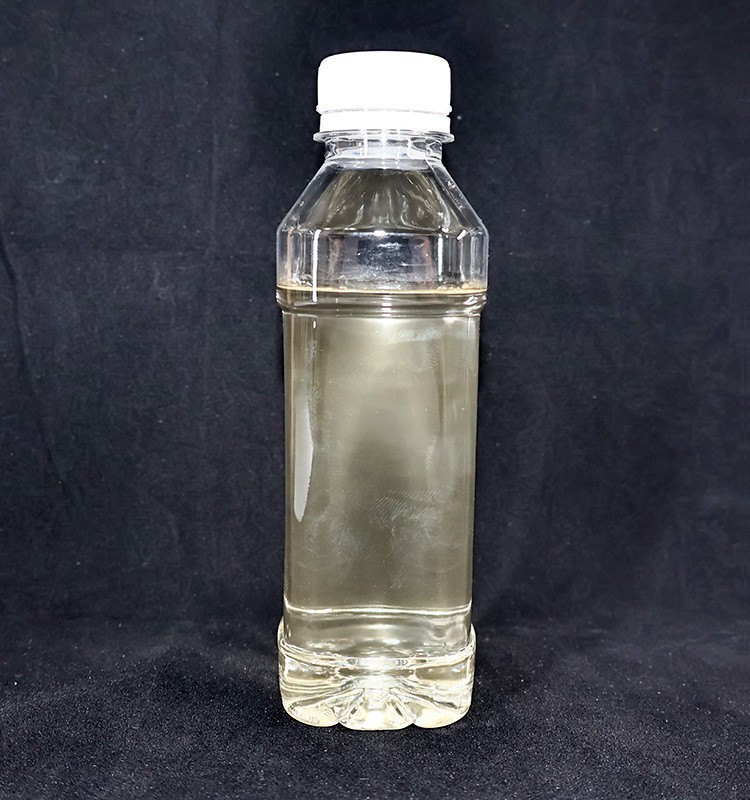
A fungicide is a substance used to prevent or control fungal growth. Fungi are microorganisms found widely in the natural environment, including molds, yeasts, and various plant-pathogenic fungi. While some fungi play vital ecological roles, others can damage agricultural crops, industrial products, construction materials, and stored goods.
For example: fungal infections in crops can lead to leaf diseases and stunted growth; mold can develop during the storage of food and agricultural produce; industrial materials can suffer from mold contamination; and mold can grow in damp areas of buildings.
Fungicides control fungal populations and reduce associated risks by disrupting fungal cell structures, interfering with metabolic processes, or inhibiting reproduction. It is important to note that fungicides specifically target fungi rather than all types of microorganisms. Since different products target specific fungal species and are suited to different environments, selecting the appropriate fungicide is crucial.
2. What are the primary uses of fungicides?
Fungicides have a wide range of applications, with agriculture, industrial preservation, water treatment, and materials protection being the most common areas of use.
(1) Controlling fungal plant diseases in agriculture
Agriculture is one of the most important sectors for fungicide application. During plant growth, fungal diseases can compromise crop health and reduce both yield and quality. Examples include the appearance of lesions on leaves, root infections, fruit rot, and slowed crop growth.
Fungicides can be used to prevent and control these fungal diseases, thereby helping to maintain plant health. In agricultural production, fungicides are commonly used on crops such as cereals, fruits, vegetables, flowers, and cash crops. Proper use of fungicides can slow the spread of fungi, enhance crop disease resistance, and reduce economic losses caused by fungal diseases.
However, agricultural fungicides must be used in strict accordance with product instructions. Requirements vary depending on the crop, the specific disease, and the growth stage. Excessive use can not only harm the environment but also lead to the development of fungal resistance.
(2) Preserving the quality of stored agricultural products
Agricultural products are susceptible to fungal contamination not only during cultivation but also during storage. Cereals, nuts, fruits, and other produce are prone to mold growth if kept in humid environments for extended periods. Mold can alter the product's appearance and compromise its quality and shelf life. Fungicides help mitigate the risk of mold growth during storage by controlling fungal proliferation.
In grain storage, fruit and vegetable preservation, and agricultural product processing, appropriate products must be selected—and dosages carefully controlled—in compliance with relevant standards to ensure food safety and meet environmental requirements.
(3) Fungal control in water treatment systems
Fungi are a common source of microbial contamination in industrial water treatment systems.
Examples include recirculating cooling water systems, industrial water storage equipment, and process water systems. If conditions remain favorable for extended periods, fungi can proliferate and form biofilms. These biofilms adhere to piping and equipment surfaces, impairing water flow efficiency and potentially increasing cleaning and maintenance costs. Fungicides can be incorporated into water treatment programs to control fungal populations and reduce the risk of microbial contamination.
However, selecting fungicides for industrial water treatment requires consideration of factors such as water quality, system temperature, piping materials, and compatibility with other chemical treatment agents. Different water treatment systems require tailored microbial control strategies; a "one-size-fits-all" product approach is not suitable.
(4) Mold protection for coatings and building materials
Many water-based products and building materials are susceptible to fungal growth. Examples include water-based coatings, wall materials, sealants, and adhesives. If stored or used in humid environments, these products may become contaminated with mold. Biocides can be added to certain industrial formulations to inhibit fungal growth and improve storage stability. In the construction sector, anti-mold products are used to reduce the risk of mold growth on walls, ceilings, and in damp areas. The mold-resistance of building materials is receiving increasing attention, particularly in regions with high humidity.
(5) Protection of wood and textiles
The organic components in wood and textile materials can easily foster fungal growth. Examples include wooden furniture, construction timber, textile products, and leather materials. Prolonged exposure to damp environments can lead to mold growth, unpleasant odors, or a decline in material performance. Appropriate biocide treatments can help mitigate the impact of fungi on these materials and enhance product durability. It is important to select biocides compatible with the specific material to avoid compromising its properties.
(6) Preservation of industrial products
During industrial manufacturing, water-based products are susceptible to fungal contamination. Examples include industrial emulsions, adhesives, coatings, and chemical formulations. Fungal contamination can result in altered odors or colors, reduced performance, and a shortened shelf life. Consequently, many industrial manufacturers use preservative biocides to protect their products. These biocides are primarily designed to control microbial growth within the product itself, rather than for surface disinfection.
3. What is the mechanism of action of biocides?
(1) Disrupting fungal cell structure
Some biocides affect fungal cell membranes, disrupting the cell structure and thereby inhibiting normal fungal growth.
(2) Interfering with fungal metabolic processes
Fungi rely on a series of biochemical processes to sustain life. Certain biocides interfere with these processes, preventing the fungi from reproducing normally.
(3) Inhibiting fungal reproduction
Some biocides act primarily during the fungal growth phase, controlling the fungal population by slowing down the rate of reproduction.
(4) Forming a protective barrier
Certain protective biocides create a defensive layer on the surface of plants or materials, reducing the likelihood of fungal invasion. Fungicides with different modes of action are suitable for different environments; therefore, the choice must be based on the specific problem being addressed.
4. What are the common types of fungicides?
(1) Protective fungicides
Protective fungicides are primarily used to prevent fungal infections. They are typically applied before a fungal outbreak occurs, reducing the likelihood of infection by creating a protective barrier. Such products are frequently used in agricultural production for disease prevention.
(2) Curative fungicides
Curative fungicides are mainly used when a fungal infection has already occurred. They inhibit further fungal development and help control existing diseases.
(3) Systemic fungicides
Systemic fungicides can be absorbed by plants and act internally. These products generally offer a degree of sustained protection.
(4) Contact fungicides
Contact fungicides act primarily on the surface of plants or materials. They do not penetrate the interior but instead exert control at the point of contact. Each type has distinct characteristics, and the choice should be based on the specific application scenario.
5. What are the advantages of using fungicides?
(1) Reducing losses caused by fungi
Fungicides help control the spread of fungi, thereby reducing losses in agriculture, industry, and materials.
(2) Improving product quality
During industrial production and storage, fungicides can reduce mold growth and enhance product stability.
(3) Extending the service life of materials
For wood, construction materials, and industrial products, the proper use of fungicides can minimize damage caused by fungi.
(4) Increasing production efficiency
By reducing microbial contamination, enterprises can decrease the frequency of equipment cleaning and improve production continuity.
(5) Improving environmental hygiene
In applicable environments, fungicides help control mold contamination and improve cleanliness.
6. What precautions should be taken when using fungicides?
Although fungicides play an important role, safety management is essential during their use.
First, always use the product according to the instructions; do not arbitrarily increase the concentration or alter the intended use.
Second, ensure proper personal protection to avoid direct contact with the chemicals. Furthermore, different fungicides should not be mixed indiscriminately, as doing so could compromise their effectiveness or even pose safety risks.
In agricultural applications, it is important to rotate products appropriately to avoid the increased fungal resistance that can result from the long-term use of fungicides with the same mode of action. For industrial applications, scientifically sound strategies should be formulated based on equipment specifications, water quality, and production requirements.
Fungicides are vital products for microbial control, widely used across sectors such as agriculture, industry, water treatment, construction materials, wood preservation, and product preservation. Different fungicides possess distinct characteristics and scopes of application. Maximizing their effectiveness requires selecting the right product, managing usage properly, and tailoring strategies to the specific environment. As modern industry and agriculture continue to evolve, fungicides will remain crucial in enhancing production efficiency, safeguarding product quality, and mitigating fungal contamination.

 E-mail:jcl@jichanglong.com
 WhatsApp:+8618560709619
 Address:Block B, Polymer Materials Industry Innovation Park,No. 51, Lutai Avenue, High-tech Zone, Zibo City, Shandong Province


