With the continuous growth of industrial production, agricultural development, and the need for environmental remediation, the control of microbial contamination and the treatment of hazardous substances have become critical issues in fields such as water treatment, soil remediation, aquaculture, and industrial environmental protection. In many practical scenarios, microbial metabolic processes can generate harmful substances, or existing environmental pollutants—such as organic matter, ammonia nitrogen, and sulfides—require effective treatment methods.
In this context, microbial detoxifiers serve as supplementary treatment products designed to improve the microbial environment, mitigate the impact of harmful substances, and promote ecosystem stability. Generally, effective microbial detoxifiers are characterized by their ability to boost the activity of beneficial microorganisms, reduce the concentration of harmful substances, improve environmental conditions, and enhance the efficiency of biological treatment processes.
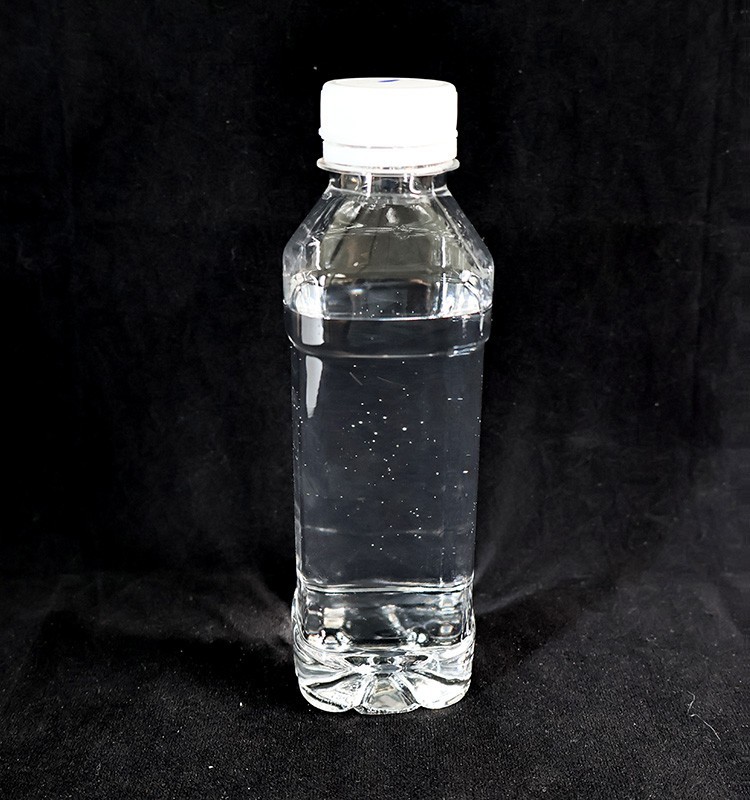
Microbial detoxifiers are products used to improve the microbial environment or assist in the removal of harmful substances. They typically function by promoting the growth of beneficial microorganisms, accelerating the decomposition of organic pollutants, mitigating the effects of certain harmful substances, improving water or soil environments, and helping to restore micro-ecological balance.
Formulations for microbial detoxifiers vary depending on the application. For instance, the water treatment industry might utilize specific microbial consortia to degrade pollutants; the agricultural sector might use them to improve soil micro-ecology and boost plant growth; and the aquaculture industry might employ them to reduce harmful metabolic byproducts in the water.
Therefore, a microbial detoxifier is not a single chemical reagent but rather a category of biological treatment products designed to meet specific application needs.
These products primarily contain selected and cultured beneficial microorganisms. These microorganisms utilize their own metabolic processes to break down certain pollutants, such as organic matter, ammonia nitrogen, or other substances that compromise environmental quality. Common strains include *Bacillus* species, lactic acid bacteria, nitrifying bacteria, photosynthetic bacteria, and other functional microorganisms. Since different strains perform different functions, the choice of agent depends on the specific type of pollutant present.
Some microbial detoxifying products are formulated with specific enzymes. Enzymes catalyze certain chemical reactions, thereby accelerating the decomposition process of organic matter. For example, certain enzymes can help break down proteins, fats, and complex organic compounds, thereby improving environmental quality.
Composite products typically combine multiple microbial strains or auxiliary ingredients. Since different microorganisms possess distinct functions, composite microbial agents can adapt to more complex environmental conditions. However, actual effectiveness still depends on the choice of strains, application methods, and environmental conditions.
Determining the effectiveness of a microbial detoxifier requires considering multiple factors, rather than relying solely on the product name.
The specific strains used are a crucial factor influencing product performance. Different microorganisms have varying capabilities for treating pollutants. For instance, some strains excel at breaking down organic pollutants, while others participate in the nitrogen cycle. Therefore, selecting strains that match the target pollutants is essential.
The number of viable microorganisms affects the rate of treatment. If the product lacks a sufficient number of viable cells, achieving the desired results may be difficult.
Microorganisms require a suitable environment to function effectively. Influencing factors include temperature, pH value, dissolved oxygen levels, nutrient availability, and pollutant concentrations. Even with a high-quality microbial agent, effectiveness may be compromised if environmental conditions are unsuitable.
Proper application is equally important. Key aspects include dosage, dosing frequency, mixing methods, and storage conditions. Incorrect usage can reduce the product's effectiveness.
Water treatment is a major application area for microbial detoxifiers.
Industrial production, agricultural activities, and domestic discharges can lead to excessive levels of pollutants—such as organic matter, ammonia nitrogen, and sulfides—in water bodies.
microbial detoxifiers help break down certain pollutants by stimulating microbial metabolic activity. Common applications include sewage treatment plants, industrial wastewater treatment, aquaculture water treatment, landscape water management, and the maintenance of circulating water systems.
In biological treatment processes, microorganisms play a vital role in degrading pollutants.
In aquaculture environments, animal waste and leftover feed can alter water quality. For instance, an increase in ammonia-nitrogen and organic matter in the water can negatively affect the aquaculture environment. Microbial detoxifiers help improve the aquatic environment by stimulating the activity of beneficial bacteria. Common functions include decomposing organic residues, reducing the accumulation of certain harmful substances, enhancing water stability, and promoting ecological balance.
However, microbial products generally need to be used in conjunction with sound aquaculture management practices; they cannot entirely replace standard water quality management measures.
Soil pollution control is another key application area for microbial technology. Certain microorganisms participate in the degradation of organic pollutants. In agriculture and environmental remediation, increasing the population of beneficial microorganisms can improve the soil's micro-ecological environment. Applications include treating organic soil pollution, improving agricultural soil, composting, and degrading organic waste. Practical application requires selecting the appropriate microbial strains based on the specific type of pollution.
(1) Define treatment objectives: First, identify the specific problem to be addressed—such as degrading organic matter, reducing ammonia-nitrogen, improving water quality, or remediating soil. Different objectives require different microbial products.
(2) Check strain information: High-quality products typically list their primary microbial strains and functional characteristics. Understanding the function of the strains helps determine if the product meets your specific needs.
(3) Consider product stability: Microbial products must retain their viability during storage and transport. Therefore, pay attention to the production date, storage conditions, and product quality control.
(4) Test under site-specific conditions: Since environmental conditions vary significantly, conducting small-scale tests before full-scale application is generally more reliable.
To maximize treatment effectiveness, keep the following in mind:
(1) Avoid simultaneous use with strong oxidizing agents that could kill the microorganisms.
(2) Adhere to the dosage instructions provided with the product.
(3) Maintain environmental conditions conducive to microbial growth.
(4) Regularly monitor treatment results and adjust the application strategy based on observed changes.
Microbial treatment usually requires time; full results are not achieved immediately.
As environmental protection standards continue to rise, microbial technology is evolving toward greater efficiency and precision. Future developments in microbial detoxifiers are likely to focus on the screening of highly functional strains, the design of composite microbial consortia, enhanced environmental adaptability, eco-friendly application, and precise pollution remediation. Compared to some traditional chemical treatment methods, microbial technology aligns better with ecological remediation principles, offering significant growth potential in sectors such as environmental protection, water treatment, and agriculture.
In reality, no single microbial detoxifier is suitable for every environment or pollution scenario. Truly effective products must be selected based on factors such as the type of pollutant, the application context, environmental conditions, and remediation objectives. High-quality microbial detoxifiers typically feature appropriate functional microbial consortia, stable activity, and robust environmental adaptability, while also helping to restore microbial balance in water, soil, or other ecosystems.
Whether in industrial wastewater treatment, aquaculture water quality management, soil remediation, or organic waste processing, microbial detoxifiers serve as a vital complementary technology. As biotechnology advances, the emergence of increasingly precise, efficient, and eco-friendly microbial treatment products will provide a wider range of solutions for environmental remediation.

 E-mail:jcl@jichanglong.com
 WhatsApp:+8618560709619
 Address:Block B, Polymer Materials Industry Innovation Park,No. 51, Lutai Avenue, High-tech Zone, Zibo City, Shandong Province
Our company specializes in vanadium inhibitors , dehumidification and drying block, calcium hypochlorite disinfectant tablet, polyacrylamide and other products. With over 20 years of experience, we offer quality assurance and wholesale prices.


