With the continuous development of industrial production, urban construction, and water resource utilization, water treatment has become an indispensable part of production processes across many industries. Industrial wastewater, domestic sewage, mine wastewater, and other process effluents often contain suspended solids, colloidal particles, organic matter, and other impurities. Due to their small size and surface electrical charges, these tiny particles are typically difficult to remove quickly through simple sedimentation.
In simple terms, the primary function of a flocculant is to help fine suspended particles in water aggregate into larger flocs, making it easier to separate them from the water via methods such as sedimentation, dissolved air flotation, or filtration. Flocculants do not simply "make impurities disappear"; instead, they alter the interactions between particles, causing tiny, hard-to-separate particles to form floc-like masses that are easier to handle.
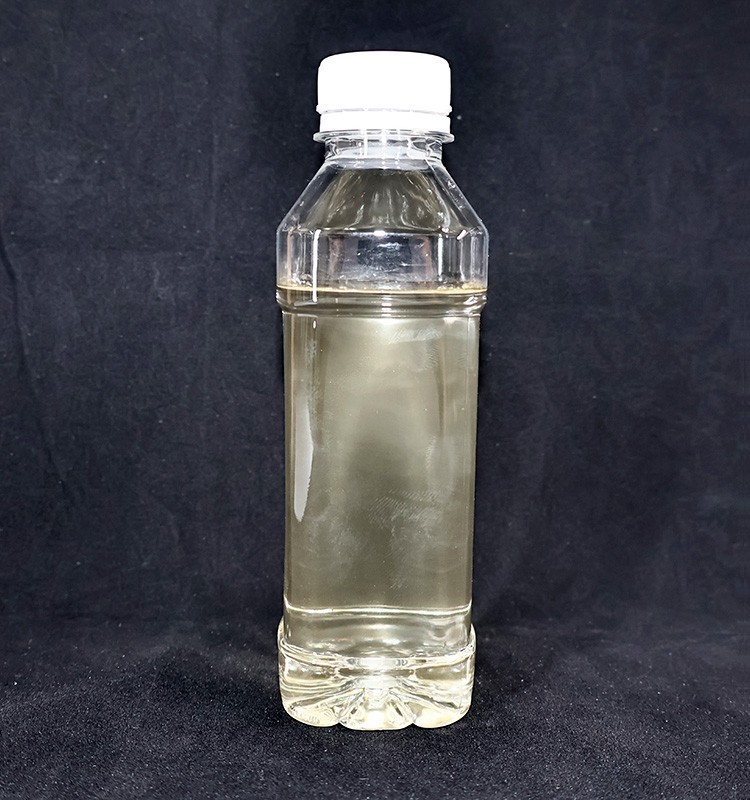
Flocculants are chemical agents used to promote the aggregation of suspended particles in water. Some particles in water are extremely fine and remain suspended for long periods, resisting natural sedimentation even after standing for a long time. These particles typically include silt, colloids, organic matter, and other fine impurities. Upon the addition of a suitable flocculant, the stability of the particles is altered, causing the fine particles to gradually bind together and form larger flocs.
These flocs are generally easier to settle or capture using filtration equipment than the original tiny particles, thereby enhancing solid-liquid separation efficiency. Common flocculants include polyacrylamide (PAM), polyaluminum chloride (PAC), polyferric sulfate (PFS), aluminum sulfate, and various other organic or inorganic flocculants.
Different flocculants possess distinct chemical properties and are suited to different water qualities; therefore, the choice of flocculant in practical applications depends on the specific characteristics of the water being treated.
The flocculation process can generally be understood as a sequence of "particle destabilization, collision, aggregation, and floc formation." Initially, fine particles in the water may maintain a relatively stable suspended state due to factors such as surface electrical charges. When an appropriate flocculant is added, it interacts with the particles, disrupting the stability of some of them. Subsequently, driven by agitation and water flow, fine particles continuously collide and gradually aggregate. As the number of particles increases, larger flocs eventually form. These flocs can then proceed to sedimentation tanks, dissolved air flotation (DAF) units, or filtration systems for further separation.
Therefore, flocculants typically do not perform the entire water treatment process in isolation; instead, they are used in conjunction with processes such as mixing, sedimentation, air flotation, and filtration.
This is one of the most common applications of flocculants. Industrial and municipal wastewaters often contain large quantities of suspended particles. If these particles are not effectively removed, they increase the load on downstream treatment equipment. Flocculants facilitate the aggregation of fine suspended matter into larger flocs, thereby enhancing settling rates and solid-liquid separation efficiency.
Water turbidity is related to the presence of suspended particles and colloidal substances. Aggregating and removing these minute particles generally reduces the concentration of suspended matter in the water, thereby improving turbidity. Consequently, flocculation is frequently employed during the pretreatment stage of water treatment.
Large amounts of sludge are generated during wastewater treatment. Some sludge particles are extremely fine, making gravity-based settling alone relatively inefficient.
Selecting an appropriate flocculant promotes the aggregation of sludge particles into larger flocs, thereby improving sludge settling and dewatering characteristics.
Many industrial water treatment processes ultimately require solid-liquid separation. Flocculants help fine particles form larger flocs, facilitating subsequent sedimentation, filtration, or air flotation. Thus, they serve as vital auxiliary agents in solid-liquid separation systems.
Industrial wastewater originates from diverse sources, and wastewater from different industries exhibits distinct water quality characteristics. For instance, wastewater from the mining, metallurgical, chemical, papermaking, food processing, and textile industries differs significantly in its composition of suspended solids, organic matter, and other pollutants. Flocculants can be applied at various stages of treatment depending on specific water quality conditions. In industrial wastewater treatment, it is usually necessary to analyze the wastewater's quality first, select an appropriate flocculant, and determine optimal dosage conditions through bench-scale testing.
A well-designed flocculation process helps reduce the suspended solids load, creating more stable conditions for subsequent treatment stages.
Municipal wastewater treatment plants typically involve multiple treatment stages. Flocculants can be utilized in primary treatment, advanced treatment, or sludge processing. During the advanced treatment stage, flocculants assist in removing fine suspended solids and colloidal particles. In the sludge processing stage, they promote the aggregation of sludge particles, thereby enhancing the efficiency of sludge dewatering equipment.
Thus, flocculants serve not only to treat the water itself but also to improve sludge processing operations.
Mining operations generate large volumes of wastewater containing fine mineral particles. These particles can remain suspended for extended periods, resulting in high wastewater turbidity. Through appropriate treatment processes, flocculants facilitate the aggregation of these fine particles into larger flocs, which can then be removed via sedimentation or other solid-liquid separation methods.
This not only improves wastewater clarification but also facilitates the recycling of water resources.
Papermaking generates wastewater containing fibers, fillers, and other fine particles. Direct discharge of these substances complicates wastewater treatment. Within a suitable treatment system, flocculants help aggregate fine particles, thereby promoting solid-liquid separation.
Additionally, effective flocculation treatment helps reduce the load on downstream treatment processes.
Food processing wastewater typically contains significant amounts of suspended solids, oils, and organic matter. As wastewater characteristics vary widely across different sectors of the food processing industry, the choice of flocculant must be determined based on the specific water quality. During appropriate pretreatment, flocculants facilitate the formation of flocs from suspended solids and colloidal substances, thereby easing subsequent processes such as sedimentation, dissolved air flotation (DAF), or filtration.
(1) Water quality characteristics: Including suspended solids concentration, particle size, pH value, and organic matter content.
(2) Particle properties: Different particles have distinct surface characteristics and may respond differently to flocculant.
(3) Treatment process: Different processes—such as sedimentation, flotation, and filtration—may have varying requirements regarding floc size and strength.
(4) Dosing costs: It is necessary to consider both the dosage and the overall treatment cost, rather than simply comparing the unit price of the product.
(5) Downstream processing: If the resulting sludge requires further dewatering, the flocculant's impact on sludge dewaterability must be taken into account.
More is not necessarily better when it comes to flocculant. Insufficient dosage may prevent particles from aggregating effectively, while excessive dosage can lead to chemical waste and may even impair flocculation performance. Therefore, the appropriate dosage range is typically determined through beaker tests or on-site trials. Additionally, mixing speed and reaction time must be controlled; rapid mixing helps disperse the chemical quickly, while subsequent slow stirring facilitates gradual floc formation. Application methods and dissolution conditions vary depending on the specific flocculant, so operations should be conducted in accordance with the product's technical specifications.
Proper use of flocculant offers numerous benefits to water treatment systems. They promote the aggregation of fine particles, thereby enhancing solid-liquid separation efficiency. They can improve turbidity and water clarity in certain types of wastewater. Flocculants also help improve sludge settling and dewatering characteristics. For continuously operating industrial water treatment systems, a stable flocculation process helps reduce the load on downstream filtration equipment and enhances the overall operational stability of the system. The primary function of flocculant is to promote the aggregation of fine suspended particles and colloidal substances in water, forming larger flocs that are easier to remove via sedimentation, flotation, or filtration, thereby enhancing solid-liquid separation efficiency. As industrial water treatment technology continues to evolve, flocculants are trending toward higher efficiency, lower dosage requirements, greater specificity, and improved environmental friendliness, continuing to play a vital role in modern water treatment systems.

 E-mail:jcl@jichanglong.com
 WhatsApp:+8618560709619
 Address:Block B, Polymer Materials Industry Innovation Park,No. 51, Lutai Avenue, High-tech Zone, Zibo City, Shandong Province
Our company specializes in vanadium inhibitors , dehumidification and drying block, calcium hypochlorite disinfectant tablet, polyacrylamide and other products. With over 20 years of experience, we offer quality assurance and wholesale prices.


