The main purpose of
catalytic cracking flue gas desulfurization wastewater flocculant is to effectively remove fine suspended solids and colloidal pollutants that are difficult to naturally settle in wastewater through flocculation and sedimentation, ensuring that the suspended solids in wastewater meet national discharge standards. They are key chemical additives for achieving standard discharge and reuse of wastewater.
In the wet flue gas desulfurization process of catalytic cracking units, a certain amount of desulfurization wastewater is generated, which contains various pollutants. Among them, suspended solids and colloidal substances are the key factors leading to increased turbidity and treatment difficulty in wastewater. If not properly treated, these substances can cause serious pollution to the external drainage system. Coagulants are specialized chemical agents designed to address these issues.
1. Mechanism of pollutant removal
Coagulants achieve pollutant removal through the following mechanisms:
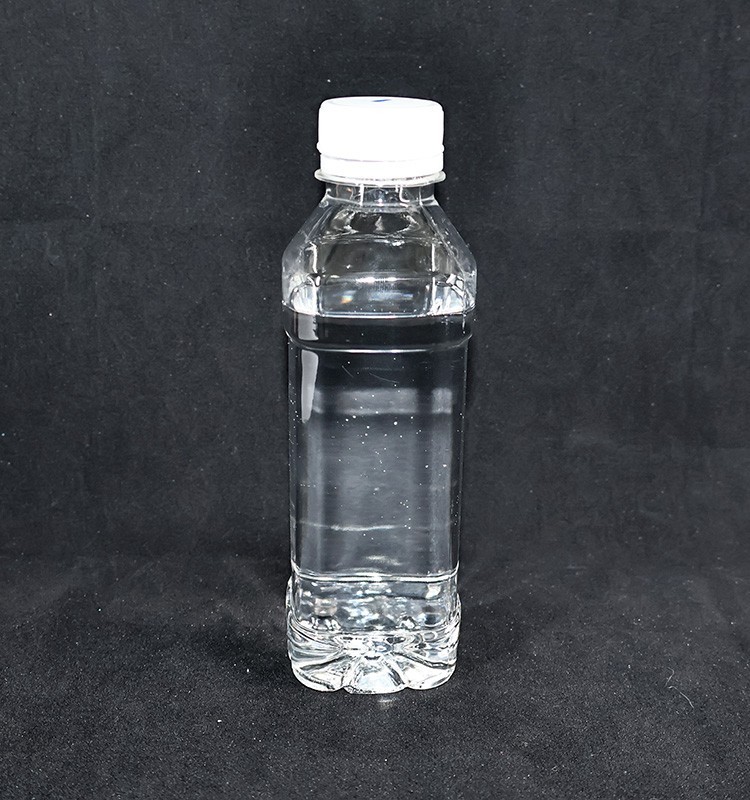
1. Charge neutralization effect: Fine suspended particles and colloidal substances in wastewater usually carry negative charges. Due to the principle of repulsion, they can maintain a stable state in water for a long time without settling. The cationic groups in flocculants can effectively neutralize the negative charges on the surface of these particles, disrupting the stability of the colloid.
2. Adsorption bridging function: The long molecular chain structure of polymer flocculants can stretch between multiple suspended particles, forming a "bridging" connection. This process can aggregate tiny particles into larger flocs, creating conditions for subsequent settling and separation.
3. Net trapping and sweeping effect: The alum like sediment formed by flocculants in water can capture and sweep small particles along the way like a fine net during the sinking process, further purifying the water quality.
2. Classification and selection of catalytic cracking flue gas desulfurization wastewater flocculant
According to the different chemical compositions and treatment objects, catalytic cracking flue gas desulfurization wastewater flocculant are mainly divided into the following categories:
1. Inorganic flocculants: such as polyaluminum chloride (PAC), aluminum sulfate, polyiron, etc. This type of flocculant mainly uses charge neutralization to destabilize colloids and form flocs. They have relatively low prices, but may have limited effectiveness in treating certain types of wastewater.
2. Organic polymer flocculants: represented by polyacrylamide (PAM) and its derivatives. This type of flocculant has a long molecular chain structure and can effectively connect suspended particles through adsorption bridging, forming larger flocs. According to the different relative molecular weights, the flocculation effect also varies - usually the larger the relative molecular weight, the better the flocculation effect.
3. Composite flocculant: The combination of inorganic and organic flocculants can exert a synergistic effect and improve the overall flocculation effect. Research has shown that the combination of polyaluminum chloride and ultra-high molecular weight polyacrylamide has the best flocculation effect on catalytic cracking flue gas desulfurization wastewater.
3. Key parameters for optimizing flocculation effect
In order to achieve the desired flocculation effect, the following key operating parameters need to be controlled:
1. pH range: Most catalytic cracking flue gas desulfurization wastewater flocculant have a suitable pH range for their effectiveness. For example, when using polyaluminum chloride and polyacrylamide in combination, the optimal pH range is usually between 7-8. Exceeding this range may lead to a significant decrease in flocculation efficiency.
2. Dosage: Insufficient dosage can lead to incomplete flocculation, while excessive dosage may cause colloid re stabilization, which in turn reduces treatment effectiveness. The optimal dosage needs to be determined through experiments, such as the compound ratio of 30 mg/L polyaluminum chloride and 1.0 mg/L ultra-high molecular weight polyacrylamide determined in a certain study.
3. Mixing conditions: Proper mixing helps to evenly disperse the flocculant and ensure sufficient contact with suspended solids, but excessive mixing can damage the already formed floc structure. It is generally advisable to control the stirring time at 4-6 minutes.
4. Environmental benefits and sustainable development
The application of catalytic cracking flue gas desulfurization wastewater flocculant has brought significant environmental benefits:
1. Ensure compliance with emission standards: By effectively removing suspended solids, ensure that wastewater meets the requirements of environmental regulations such as the "Pollutant Discharge Standards for Petroleum Refining Industry".
2. Protecting aquatic ecosystems: Reducing suspended solids emissions helps to reduce the impact on receiving water bodies and protect the aquatic ecological environment.
3. Promote water resource reuse: Properly treated wastewater can be reused in production processes, reducing fresh water consumption and supporting the achievement of sustainable development goals for enterprises.
In summary, catalytic cracking flue gas desulfurization wastewater flocculant, as key chemicals in wastewater treatment processes, effectively solve the technical challenges of removing suspended solids and colloidal substances from desulfurization wastewater through their unique charge neutralization and adsorption bridging mechanisms, providing reliable technical support for refining enterprises to meet increasingly stringent environmental requirements.

 E-mail:jcl@jichanglong.com
 WhatsApp:+8618560709619
 Address:Block B, Polymer Materials Industry Innovation Park,No. 51, Lutai Avenue, High-tech Zone, Zibo City, Shandong Province


