In modern industrial systems, vanadium is a metallic element with unique chemical properties, widely present in crude oil, fuel oil, coal, and certain ores. While vanadium holds significant value in materials science and alloy manufacturing, it often becomes the primary culprit of corrosion during combustion, refining, or high-temperature equipment operations.
Vanadium oxides readily form low-melting-point salts at elevated temperatures, particularly vanadium pentoxide (V₂O₅). This compound reacts with elements like sodium, magnesium, and calcium to create highly corrosive complexes that severely damage equipment such as boiler pipes, combustion chambers, and turbine blades. This corrosion not only shortens equipment lifespan but can also lead to system failures, increased energy consumption, and safety hazards.
To effectively suppress this high-temperature corrosion, researchers have developed a specialized chemical additive—the vanadium inhibitor. Its emergence provides an efficient, economical, and environmentally friendly solution for industrial protection.
A vanadium inhibitor is a chemical additive designed to counter high-temperature corrosion caused by vanadium in fuels. Typically composed of metal oxides, alkaline compounds, or highly dispersed inorganic salts, its primary function is to react with vanadium compounds, forming high-melting-point, low-corrosivity compounds. This reduces chemical erosion and slagging on equipment surfaces.
Common vanadium inhibitors include:
- Magnesium-based inhibitors (MgO series): Frequently used in oil-fired boilers and gas turbines.
- Calcium-based inhibitors (CaO series): Cost-effective for general fuel oils.
- Aluminum-based and zinc-based composite vanadium inhibitors: Employed in demanding power generation and metallurgical systems.
These inhibitors form stable, high-melting-point compounds with V₂O₅ at elevated temperatures, such as Mg₃(VO₄)₂. This significantly elevates the melting point of corrosion products (from approximately 650°C to over 1200°C), effectively preventing surface melting and slagging on equipment.
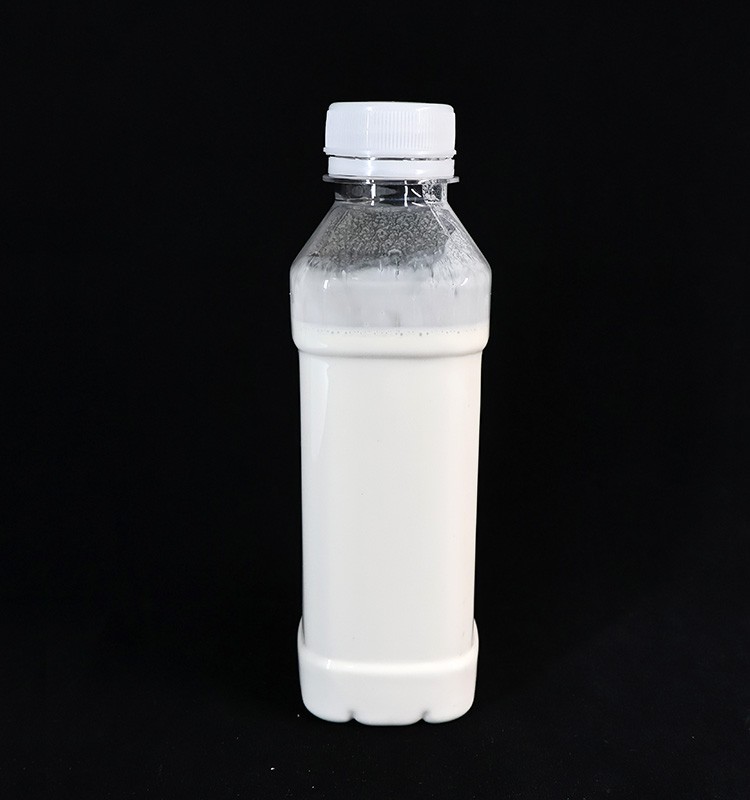
The corrosion prevention mechanism of vanadium inhibitors primarily involves three aspects: chemical neutralization, physical protection, and combustion environment regulation:
During fuel combustion, vanadium generates low-melting-point V₂O₅, which is highly corrosive. Vanadium inhibitors react with it to form high-melting-point vanadates (e.g., Mg₃(VO₄)₂, Ca₃(VO₄)₂), thereby reducing the fusibility and fluidity of vanadium compounds. This neutralization process effectively prevents direct reaction between vanadium salts and metal surfaces.
Reaction products form a dense, stable protective film on equipment surfaces. This film effectively isolates high-temperature flue gases from the metal substrate, preventing further corrosion penetration. Simultaneously, it reduces combustion particle adhesion, lowering ash accumulation and scaling risks.
Certain composite vanadium inhibitors contain regulating components that balance redox reactions in the combustion zone, reducing the formation of acidic oxides (e.g., SO₃) and further mitigating composite corrosion.
Within composite formulations, synergistic effects occur between different metal oxides. For instance, the combination of MgO and Al₂O₃ enhances both reaction activity and coating strength, delivering more comprehensive and enduring protective performance.
The use of vanadium inhibitors is critical in oil-fired power plants, gas turbine systems, and heavy oil power generation systems. Fuel oils contain vanadium, and the resulting vanadium oxides readily form corrosive deposits in high-temperature areas during combustion. Adding vanadium inhibitors effectively prevents high-temperature erosion on blades and heat exchange tubes, extending equipment maintenance intervals.
In crude oil refining, catalytic cracking, and combustion heating furnace systems, vanadium inhibitors suppress equipment corrosion and scaling caused by heavy metal impurities in crude oil, enhancing operational stability.
Marine fuel oils (especially heavy oils) contain high vanadium levels, which readily form corrosive layers in combustion chambers and exhaust valves after combustion. Vanadium inhibitors reduce maintenance frequency, minimize downtime for repairs, and improve engine efficiency.
In certain smelting furnaces and kilns, vanadium inhibitors also prevent vanadium compounds in high-temperature flue gases from damaging refractory materials, extending furnace lining lifespan.
Vanadium inhibitors effectively reduce high-temperature erosion of metals by vanadium oxides, extending equipment lifespan by 30%–50% and reducing maintenance frequency.
Compared to replacing damaged components or halting operations for maintenance, vanadium suppressants offer extremely low costs, making them a highly cost-effective protective solution.
Through neutralization reactions and surface stabilization, vanadium suppressants enhance combustion efficiency, reduce emissions of unburned carbon particles and soot, and improve thermal energy utilization.
The new vanadium suppressant contains no toxic heavy metals like lead or chromium. It leaves no harmful residues after combustion and causes no secondary environmental pollution, meeting green industrial standards.
The vanadium suppressant can be applied via liquid injection, solid blending, or online addition. It adapts to various fuel types and equipment structures, offering broad applicability.
Vanadium inhibitors are typically added before fuel injection or at the combustion chamber inlet. Uniform distribution is achieved via spraying, blending, or automated dosing systems.
Addition rates are determined by fuel vanadium content. A molar ratio of Mg:V (magnesium to vanadium) between 3:1 and 5:1 is optimal to ensure complete chemical neutralization and thorough reaction.
- Additives must be thoroughly mixed with fuel to prevent localized incomplete reactions;
- Avoid moisture contamination; store in dry conditions;
- Regularly monitor flue gas and deposits to evaluate vanadium suppression effectiveness.
With adjustments in energy structures and heightened environmental requirements, vanadium suppressant technology continues to evolve. Future development directions primarily include:
Single metal oxides are gradually being replaced by multi-component composite formulations. These integrate multiple active ingredients such as calcium, magnesium, aluminum, and silicon to achieve multi-functional protection, including simultaneous corrosion prevention, ash accumulation control, and coking inhibition.
Nanoscale vanadium inhibitor particles exhibit more uniform distribution and react more thoroughly with V₂O₅. This enables superior protection at lower dosages, reducing resource consumption.
Research is increasingly focused on developing environmentally friendly vanadium inhibitors made from non-toxic, low-ash, and biodegradable materials, aligning with international energy conservation and emission reduction policies.
Integrated with industrial IoT technology, future combustion systems will automatically adjust vanadium inhibitor dosing based on real-time monitoring of fuel composition and corrosion rates, enabling intelligent corrosion control.
Next-generation protection systems combine vanadium inhibitors, sulfur inhibitors, and combustion optimizers to achieve integrated combustion protection and energy conservation.
The advent of vanadium inhibitors represents a significant innovation in industrial corrosion protection. By chemically neutralizing corrosion sources and physically extending equipment lifespan, they have become indispensable safety safeguards in modern energy systems. Acting as true “invisible guardians” in industrial production, they chemically resist high-temperature corrosion to ensure stable equipment operation. Whether in oil-fired power plants, petrochemical facilities, ocean-going vessels, or metallurgical systems, vanadium suppressants will continue to exert their protective power, providing robust support for global industrial safety and clean energy development. Looking ahead, as energy systems grow more complex and equipment operating temperatures rise, vanadium suppressant technology will persist in innovation, advancing toward greater efficiency, environmental friendliness, and intelligence.

 E-mail:jcl@jichanglong.com
 WhatsApp:+8618560709619
 Address:Block B, Polymer Materials Industry Innovation Park,No. 51, Lutai Avenue, High-tech Zone, Zibo City, Shandong Province
Our company specializes in vanadium inhibitors , dehumidification and drying block, calcium hypochlorite disinfectant tablet, polyacrylamide and other products. With over 20 years of experience, we offer quality assurance and wholesale prices.


