In modern industrial production, vanadium suppressants serve as critical chemicals widely applied in steel, fertilizer, and other industrial sectors. Vanadium is an element that cannot be overlooked in steel smelting processes, as its presence may compromise the quality of steel products. Consequently, vanadium suppressants function as effective inhibitors, playing a vital role in vanadium smelting operations. This article provides a detailed overview of vanadium suppressants, covering their fundamental concepts, preparation methods, application domains, and future development trends.
Vanadium inhibitor suppressants are chemical substances added during steel smelting to reduce or prevent the adverse effects of vanadium on the final product. Vanadium can impact steel properties in multiple ways, particularly in high-temperature environments where it may cause quality issues. To ensure vanadium content remains within specified limits during smelting, the use of vanadium suppressants is a critical measure.
The primary function of vanadium suppressants is to chemically react with vanadium, reducing its precipitation and concentration during smelting. This safeguards steel quality while enhancing product strength and corrosion resistance.
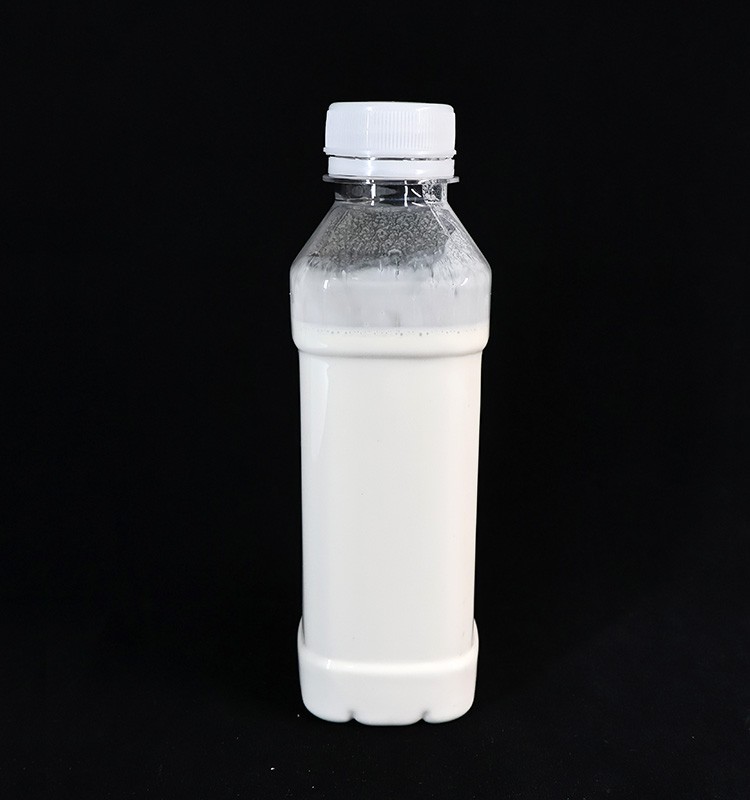
The preparation of vanadium inhibitor suppressants typically relies on a series of complex chemical reactions and physical processes. The fundamental principle involves utilizing certain chemical substances to form insoluble compounds with vanadium, thereby suppressing its reactivity and reducing its impact on steel products.
(1) Chemical Reactions: Vanadium inhibitor suppressants commonly contain chemical elements such as calcium, aluminum, and silicon, which can form complexes with vanadium. These compounds are typically low-solubility substances that prevent further dissolution or precipitation of vanadium.
(2) Reaction Conditions: The reaction conditions for vanadium inhibitors are usually controlled during the smelting process, including temperature, duration, and chemical environment. These conditions require precise regulation to ensure effective interaction between the inhibitor and vanadium, achieving the desired outcome.
(3) Physical Adsorption: Beyond chemical reactions, certain components of vanadium inhibitors also exhibit physical adsorption properties. They reduce vanadium's reactivity through surface adsorption, making it less likely to precipitate on metal surfaces.
Vanadium inhibitors can be categorized into various types based on their composition and application requirements. Below are several common vanadium inhibitors and their preparation methods:
Calcium-based inhibitors are the most prevalent type, widely used in steel smelting. These inhibitors are typically prepared by adding calcium source compounds—such as limestone, calcium chloride, or calcium hydroxide—into the smelting furnace. Calcium reacts with vanadium to form insoluble calcium vanadate compounds, thereby reducing vanadium's reactivity.
- Preparation Method:
Select high-quality limestone or calcium chloride as the primary raw material.
Under high-temperature conditions, fully react the calcium source with the vanadium source to form calcium vanadate compounds.
Grind and screen the resulting product to obtain a vanadium suppressant suitable for the smelting process.
Aluminum-based vanadium inhibitor suppressants also play a crucial role in steel smelting. Aluminum forms aluminum-vanadium compounds with vanadium, which exhibit low solubility at high temperatures, effectively inhibiting vanadium precipitation.
- Preparation Method:
Use high-purity aluminum powder or aluminum alloy as raw material.
React the aluminum source with the vanadium source in the smelting furnace to form aluminum-vanadium compounds.
Refine the aluminum-vanadium compounds and grind them to obtain the aluminum-based vanadium suppressant.
Silicon-based vanadium suppressants also exhibit inhibitory effects during smelting. Silicon can combine with vanadium to form insoluble compounds, reducing vanadium's reactivity.
- Preparation Method:
Select high-quality silica sand or silicon-aluminum alloy as raw materials.
During high-temperature smelting, add silicon sources to react with vanadium sources, forming silicon-vanadium compounds.
Screen and grind the resulting product to obtain silicon-based vanadium suppressants suitable for smelting processes.
Composite vanadium inhibitors combine multiple vanadium-suppressing components to achieve enhanced efficacy. Typically composed of calcium, aluminum, silicon, and other elements, these inhibitors exhibit synergistic effects under varying smelting conditions, improving vanadium suppression performance.
- Preparation Method:
Mix calcium sources, aluminum sources, silicon sources, and other raw materials in specified proportions.
Melt and react these components in a high-temperature furnace to form the composite vanadium suppressant.
Cool and crush the product to obtain a composite vanadium suppressant with excellent inhibitory properties.
Vanadium suppressants are primarily used across multiple industrial sectors, including steel smelting, fertilizer production, and aluminum alloy manufacturing.
During steel smelting, vanadium inhibitor serves as a common alloying element. While vanadium enhances steel strength and wear resistance, excessively high vanadium content leads to poor workability and increased brittleness. Therefore, vanadium suppressants are widely used in steel production to effectively control vanadium levels.
In fertilizer manufacturing, vanadium inhibitor typically exists as an impurity in raw materials. Vanadium suppressants reduce the impact of vanadium on product quality during production, ensuring the purity and quality of the final product.
Appropriate vanadium inhibitor additions in aluminum alloys enhance strength and corrosion resistance, but excess vanadium compromises machinability. Vanadium suppressants help regulate vanadium levels, ensuring the quality and performance of aluminum alloys.
Beyond steel and fertilizer production, vanadium inhibitor suppressants are also utilized in other metal smelting and wastewater treatment applications. In these fields, they effectively control vanadium solubility and reactivity, ensuring process stability and product quality.
With advancing industrialization, demand for vanadium inhibitor suppressants continues to grow, particularly in steel smelting and fertilizer production. Future R&D for vanadium inhibitors will focus on the following directions:
(1) Performance Optimization: Future vanadium inhibitors will further enhance their vanadium suppression efficacy, particularly maintaining high stability and activity under complex smelting conditions.
(2) Environmental Sustainability: With increasingly stringent environmental regulations, future vanadium inhibitors will prioritize eco-friendliness by utilizing non-toxic, harmless raw materials to minimize environmental impact.
(3) Cost Control: As application areas expand, production costs will be further optimized to enhance market competitiveness.
(4) Intelligent Control: Leveraging smart technologies, future vanadium inhibitors may integrate with intelligent smelting systems. Real-time monitoring and adjustment will improve application effectiveness and efficiency.
As a vital chemical additive, vanadium inhibitor suppressants play an irreplaceable role across multiple sectors including steel smelting, fertilizer production, and aluminum alloy manufacturing. With ongoing technological advancements, their performance will continue to improve, evolving toward greener, more environmentally friendly, and intelligent solutions. In future industrial production, vanadium suppressants will remain a robust pillar supporting stable operations across diverse industries.

 E-mail:jcl@jichanglong.com
 WhatsApp:+8618560709619
 Address:Block B, Polymer Materials Industry Innovation Park,No. 51, Lutai Avenue, High-tech Zone, Zibo City, Shandong Province
Our company specializes in vanadium inhibitors , dehumidification and drying block, calcium hypochlorite disinfectant tablet, polyacrylamide and other products. With over 20 years of experience, we offer quality assurance and wholesale prices.


