As industrial production expands and environmental protection standards rise, the treatment of water pollution has become a critical global issue. Certain industrial wastewaters, groundwater sources, and specialized water treatment processes may contain fluoride ions. If fluoride levels exceed regulatory standards, it compromises water safety and can negatively impact the ecological environment and industrial operations. To reduce fluoride levels, defluorinating agents are widely used in water treatment. These agents serve as essential auxiliary materials in sectors such as industrial wastewater treatment, drinking water purification, mine wastewater management, electroplating, and electronics manufacturing.
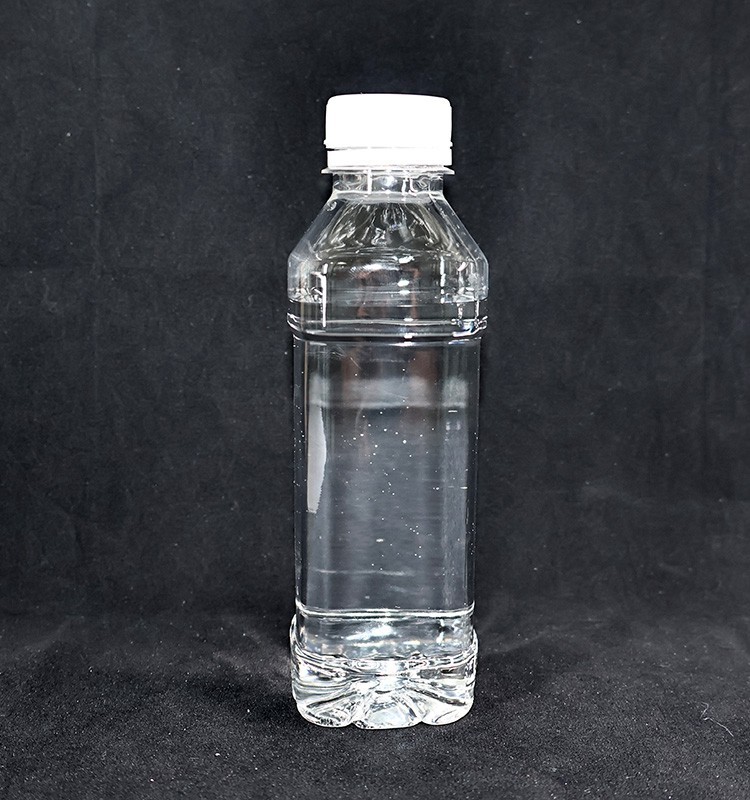
Fluorine is an element that occurs naturally and is widely distributed in the environment. While water bodies typically contain trace amounts of fluoride under normal conditions, fluoride levels can rise in certain regions due to natural geological factors or industrial activities.
Industries that may generate fluoride-containing wastewater include electroplating, aluminum processing, glass manufacturing, chemical production, semiconductor manufacturing, and mining. These industries produce fluoride-laden wastewater during production, which requires treatment before discharge or recycling.
The primary function of a defluorinating agent is to reduce the concentration of fluoride ions in water. When added to wastewater during the treatment process, the agent interacts with fluoride ions, either converting them into insoluble substances or adsorbing them onto the material's surface.
Key functions include:
This is the fundamental function of a defluorinating agent. It reduces fluoride content through chemical reactions or physical adsorption.
Defluorination treatment improves the quality of fluoride-contaminated water, ensuring it meets relevant standards for usage or discharge.
In industrial processes, defluorinating agents serve as auxiliary chemicals that enhance the overall efficiency of wastewater treatment systems.
Properly treated industrial water can be reclaimed and reused based on operational needs, thereby reducing water waste.
Different types of defluorinating agents operate based on varying principles. Common mechanisms include:
(1) Chemical precipitation: Active ingredients in certain agents react chemically with fluoride ions to form insoluble substances. These precipitates are subsequently separated from the water through processes such as sedimentation or filtration. This method is frequently used in industrial wastewater treatment.
(2) Adsorption: Some fluoride removal materials possess a large specific surface area, enabling them to adsorb fluoride ions from the water. Once fluoride ions reach the material's surface, they become immobilized, thereby reducing the fluoride concentration in the water.
(3) Coagulation: Certain agents can form flocs with other substances present in the water. These flocs adsorb or bind fluoride ions and are then removed via solid-liquid separation. In practice, the appropriate treatment method is selected based on specific water quality conditions.
(1) Aluminum-based agents: Aluminum-based materials are a common type of fluoride removal product. They achieve removal primarily by forming aluminum-containing compounds that interact with fluoride ions. These products are often used in specific industrial water treatment systems.
(2) Iron-based agents: Iron-based agents reduce fluoride levels through chemical reactions and adsorption. They find application in certain wastewater treatment processes.
(3) Rare-earth-based agents: Some rare-earth materials exhibit excellent fluoride adsorption capabilities. Due to the distinct properties of these materials, their application scope and costs vary.
(4) Composite agents: Composite defluorinating agents typically combine multiple active ingredients to enhance treatment versatility. Their formulations can be adjusted to suit different water quality conditions.
(1) Industrial wastewater treatment: Wastewater generated during industrial production may contain fluoride ions. defluorinating agents serve as a crucial component of the wastewater treatment process, helping to lower fluoride levels.
Common industries include: chemical plants, electroplating facilities, the aluminum industry, and electronics manufacturing enterprises.
(2) Mine wastewater treatment: Mining operations can generate wastewater containing various mineral components. Some mine wastewater requires treatment before discharge or recycling. Defluorinating agents can be used to improve treatment outcomes for certain fluoride-containing mine wastewaters.
(3) Electronics industry wastewater treatment: Fluoride-containing materials may be used during electronics manufacturing. For instance, certain semiconductor production processes generate fluoride-containing wastewater. Defluorinating agents can assist in treating this type of industrial wastewater.
(4) Drinking water treatment: Natural water sources in some regions may have high fluoride levels. Provided that relevant standards and process requirements are met, defluorination technology can be used to improve water quality.
(1) High treatment efficiency: Proper selection of the defluorinating agent and optimization of process parameters can effectively reduce fluoride levels in water.
(2) Wide range of applications: Defluorinating agents can be used in various industrial water treatment environments.
(3) Relatively simple operation: In water treatment systems, defluorinating agents are typically applied via dosing, making them easy to integrate with other treatment equipment.
(4) Compatibility with other treatment processes: Defluorinating agents can be combined with processes such as coagulation, sedimentation, and filtration to enhance overall treatment effectiveness.
(5) Contribution to environmental compliance: Reducing fluoride levels in wastewater helps enterprises meet environmental treatment requirements.
The effectiveness of defluorinating agents is not fixed and is influenced by various factors.
(1) Water quality conditions: Variations in fluoride concentration, pH value, and the content of other ions in different wastewaters can affect treatment performance.
(2) Reagent dosage: Insufficient dosage may fail to adequately remove fluoride ions, while excessive dosage can increase treatment costs.
(3) Reaction time: Defluorinating agents require a certain amount of time to interact with fluoride ions in the water.
(4) Mixing conditions: Proper mixing facilitates full contact between the reagent and the contaminants.
(5) Downstream treatment equipment: Equipment such as sedimentation tanks and filtration units also influences the final treatment results.
In practical application, the following points should be noted: the usage plan should be determined based on water quality test results; dosage levels must be carefully controlled to avoid waste; proper storage management is required to prevent moisture absorption or performance degradation; and by-products—such as sludge—generated during the treatment process must be handled in accordance with relevant regulations.
Defluorinating agents are water treatment chemicals used to remove fluoride ions from water, reducing fluoride levels through mechanisms such as adsorption, precipitation, and chemical reactions. They are widely used in industrial wastewater treatment, mine wastewater management, electronics industry wastewater treatment, chemical production, and various water quality improvement projects. Proper use of these agents helps enterprises enhance wastewater treatment efficiency, improve water quality, and meet environmental compliance standards.
As the environmental protection industry continues to evolve, the demand for efficient, stable, and eco-friendly water treatment chemicals will keep rising, and defluorinating agents will continue to play a vital role in the field of water treatment.

 E-mail:jcl@jichanglong.com
 WhatsApp:+8618560709619
 Address:Block B, Polymer Materials Industry Innovation Park,No. 51, Lutai Avenue, High-tech Zone, Zibo City, Shandong Province
Our company specializes in vanadium inhibitors , dehumidification and drying block, calcium hypochlorite disinfectant tablet, polyacrylamide and other products. With over 20 years of experience, we offer quality assurance and wholesale prices.


