A composite carbon source is a mixture composed of multiple effective carbon source components,typically including small molecule acids,sugars,and short chain alcohols.The synergistic effect of multiple components gives it a comprehensive advantage in wastewater treatment that surpasses traditional single carbon sources.Whether it is municipal sewage treatment plants or industrial wastewater treatment facilities,composite carbon sources can provide more efficient,economical,and environmentally friendly nitrogen and phosphorus removal solutions.
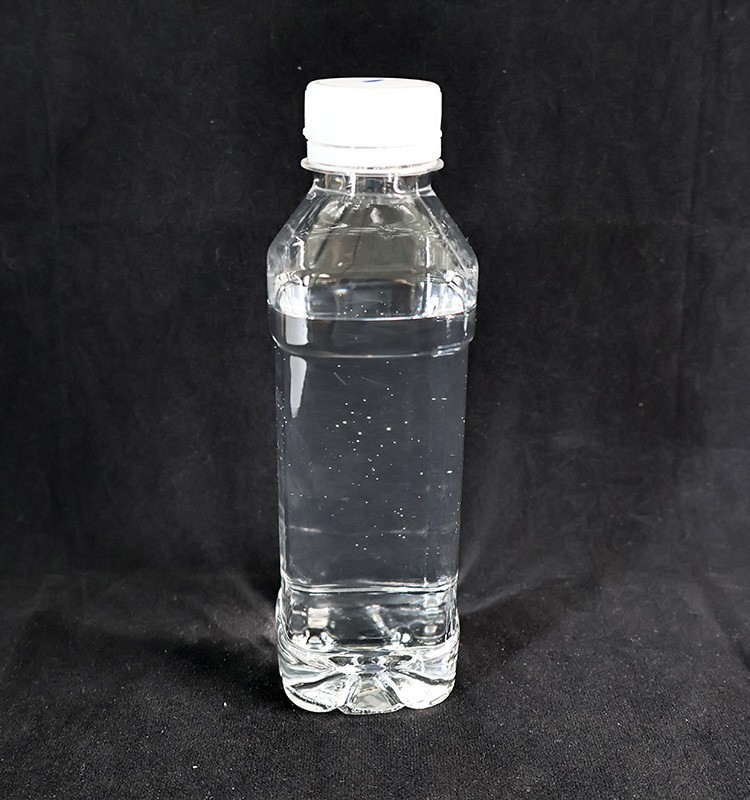
Composite carbon sources,through their diverse carbon source composition,can meet the metabolic needs of different microbial communities in wastewater treatment systems,thereby significantly improving overall treatment efficiency.
-Short chain alcohols:act as efficient electron donors in denitrification processes and participate in nitrogen conversion
Research has shown that the denitrification efficiency of high-quality composite carbon sources is significantly higher than that of traditional carbon sources.For example,a comparative experiment showed that the denitrification efficiency of a certain composite carbon source II reached 87.31%of sodium acetate,which was 138.23%of some commercially available composite carbon sources.This efficient denitrification ability is mainly due to the ability of composite carbon sources to simultaneously promote the growth and metabolic activity of multiple denitrifying bacteria.
Advanced composite carbon source products also contain special ingredients such as microbial growth promoters,sugar ring opening catalysts,and microbial probiotic factors.These added ingredients can further stimulate the rapid reproduction of denitrifying bacteria,shorten the domestication time of microorganisms,and accelerate the system start-up and recovery process.
Composite carbon sources bring significant economic benefits to sewage treatment plants through multiple mechanisms such as improving utilization efficiency,reducing dosage,and lowering sludge treatment costs.
Practical applications have shown that composite carbon sources can save up to 50%of the carbon source dosage,with high effective COD content.They are specifically customized for denitrifying bacteria and generally offer better cost-effectiveness than traditional carbon sources such as methanol,ethanol,starch,glucose,acetic acid,and sodium acetate.This means that when achieving the same denitrification effect,the actual usage of composite carbon sources is less,directly reducing material costs.
According to actual application data,the use of innovative composite carbon sources can reduce carbon source costs by 40%.Compared with traditional processes,the new composite carbon source technology can further ensure stable and compliant discharge of effluent,reduce carbon source consumption,and improve cost-effectiveness by more than 10%compared to traditional carbon sources on the market.This cost savings mainly come from two aspects:first,the lower price per unit COD equivalent;The second is higher denitrification efficiency,with less carbon source consumption per unit of nitrogen removal.
The use of composite carbon sources can reduce the production of organic sludge and lower the cost and difficulty of subsequent sludge treatment.Traditional carbon sources often lead to the production of large amounts of sludge,increasing disposal costs,while composite carbon sources significantly reduce sludge treatment costs due to their efficient utilization by microorganisms and minimal residue.
Unlike traditional carbon sources such as sodium acetate,which tend to crystallize at low temperatures,composite carbon sources typically do not exhibit this phenomenon.This means that in low-temperature environments,there is no need for additional anti crystallization facilities and treatment procedures,further reducing operating costs.
Composite carbon sources have shown significant advantages in terms of safety and environmental protection,greatly reducing environmental risks and potential hazards to operators during the treatment process.
High quality composite carbon source products typically have the characteristics of being non hazardous,non corrosive,non-toxic,and non flammable.Vitasoy Carbon®For example,its volatile organic concentration is less than 1%,and it does not possess the flammable and explosive characteristics of traditional carbon sources such as methanol.This feature makes composite carbon sources safer during storage,transportation,and addition,reducing the investment in safety facilities and risk management costs.
Composite carbon sources are more suitable for microbial growth and reproduction due to their various carbon source components with different molecular weights and structures.It can improve denitrification rate and efficiency while maintaining low sludge yield and avoiding the risk of sludge swelling.This bio friendly feature ensures the stability of the processing system and reduces the risk of system crashes or performance fluctuations.
Many composite carbon source products are derived from renewable resources such as crops and are environmentally friendly professional organic external carbon source products.Compared to traditional chemical products,their production process is greener and does not introduce harmful substances into the water environment during use.
Composite carbon sources,with their controllable composition and adjustable performance,can adapt to various processing conditions and requirements,demonstrating excellent adaptability.
-Mining/smelting wastewater:able to maintain moderate treatment efficiency even under harsh water quality conditions
Composite carbon sources have strong adaptability to changes in water quality and environmental conditions,and can maintain good performance under different temperature,pH,and other conditions.For example,in low-temperature environments,some traditional carbon sources such as sodium acetate may crystallize,affecting their effectiveness,while composite carbon sources usually do not experience this situation.
Composite carbon sources can serve as a carbon source supplement during the start-up or recovery process of biochemical systems,accelerating the rapid recovery and stable operation of the system.It can shorten the domestication time of microorganisms and enable them to quickly adapt to new environments,which is particularly important for dealing with system shocks and emergencies.
Composite carbon sources are not only a product,but also a carrier for innovation in water treatment technology,promoting technological progress and system optimization in the entire industry.
Advanced composite carbon source technology can achieve the function of promoting the growth of polymorphic functional microbial communities,and cultivate richer and more active microbial populations through specific formulas.This ability to selectively regulate microbial communities makes the treatment system more stable and efficient.
Modern composite carbon sources not only provide carbon sources,but also add nutritional factors such as polysaccharides,vitamins,and various trace elements,which are transported through microcarbons(very small molecular organic acids)as carriers,greatly improving the activity of denitrifying bacteria.This comprehensive nutritional supply ensures the healthy growth and efficient metabolism of microorganisms.
In conjunction with the use of composite carbon sources,modern precision dosing systems can precisely control the rate and amount of carbon source dosing.This precise control avoids the waste or shortage of carbon sources,ensuring the optimization of the treatment process.
The application of composite carbon sources is highly consistent with the sustainable development goals of the water treatment industry,promoting the industry towards a more environmentally friendly and economical direction from multiple dimensions.
By improving the utilization efficiency and treatment effect of carbon sources,composite carbon sources help sewage treatment plants treat more pollutants with the same input,or achieve the same treatment effect with less resource consumption.The improvement of resource efficiency is the core principle of circular economy.
Compared to traditional carbon sources,especially those used in chemical production,some composite carbon source products are sourced from renewable resources and have lower energy consumption and carbon emissions during the production process.At the same time,due to the reduction in transportation volume and dosage,it further lowers the carbon footprint of the entire lifecycle.
With the popularization of composite carbon sources,corresponding product standards,certification systems,and evaluation methods are also constantly improving.This standardized development ensures product quality,provides reliable selection criteria for users,and promotes healthy market development.

 E-mail:jcl@jichanglong.com
 WhatsApp:+8618560709619
 Address:Block B, Polymer Materials Industry Innovation Park,No. 51, Lutai Avenue, High-tech Zone, Zibo City, Shandong Province
Our company specializes in vanadium inhibitors , dehumidification and drying block, calcium hypochlorite disinfectant tablet, polyacrylamide and other products. With over 20 years of experience, we offer quality assurance and wholesale prices.


