In industries such as petrochemicals and energy conversion,catalysts are the core element for improving reaction efficiency and reducing energy consumption.However,the vanadium(V)element contained in inferior raw materials such as heavy oil and residue oil can generate low melting point vanadium compounds(such as V₂O₅,melting point 690℃)during high-temperature reactions.These substances will adhere to the surface of the catalyst,causing the active sites to be covered and the pore structure to be blocked,ultimately leading to catalyst deactivation.Vanadium inhibitors,as a key material to solve this problem,provide a scientific solution for catalyst"life extension"through mechanisms such as chemical conversion and microstructure regulation.
The corrosiveness of vanadium in high-temperature processes such as heavy oil catalytic cracking(FCC)and gas turbine combustion is due to its unique chemical properties.When the reaction temperature exceeds 800℃,vanadium compounds will transform from solid to liquid or gaseous,forming a highly corrosive molten phase.For example,V₂O₅reacts with catalyst supports(such asγ-Al₂O∝)at high temperatures to generate low melting point aluminum vanadate(AlVO₄,melting point about 800℃),resulting in a 30%-50%decrease in catalyst specific surface area and a more than 60%decrease in activity.In addition,vanadium can promote catalyst coking,further shortening its service life.
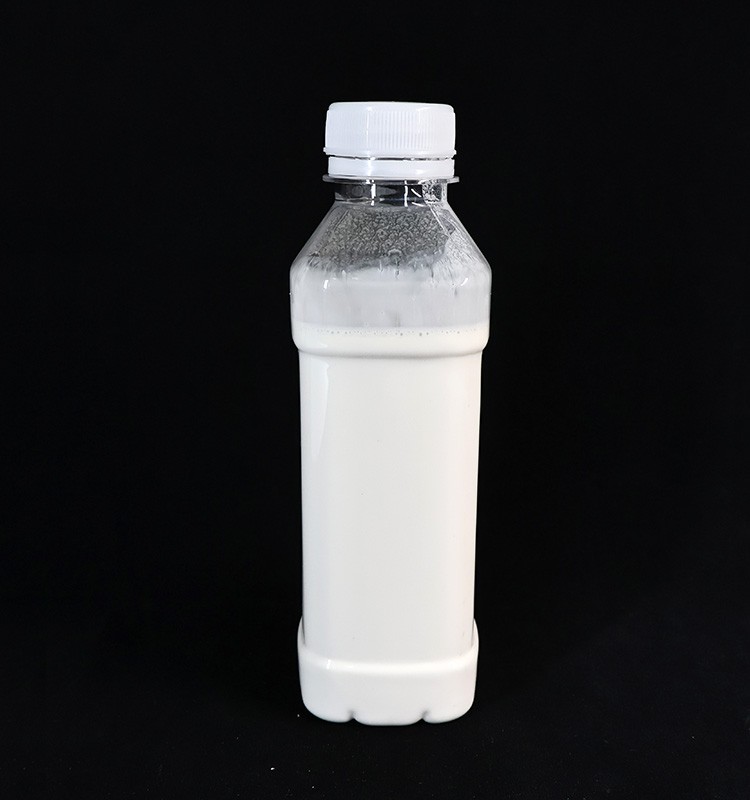
Through this chemical transformation,vanadium inhibitors convert low melting point corrosive substances into high melting point inert compounds,eliminating the harm of vanadium from the root.
Researchers liken the synergistic effect of vanadium inhibitors and catalysts to"quantum entanglement,"stemming from their deep interactions at the nanoscale.The oxygen vacancies and hydroxyl groups on the surface of magnesium oxide have high reactivity and can form charge transfer complexes with sulfur-containing and phosphorus organic molecules in vanadium inhibitors.For example,functionalizing magnesium oxide with carboxyl surface modifiers can form a"carboxyl inward,alkyl outward"structure:carboxyl groups are tightly bound to vanadium compounds through chemical bonds,while alkyl long chains prevent particle aggregation through steric hindrance effects.This structure redistributes electrons at the interface,reduces the activation energy of the reaction,and increases the generation efficiency of magnesium vanadate by more than 30%.
In a high-temperature reaction environment,the generation and decomposition of vanadium compounds are in dynamic equilibrium.Vanadium inhibitors shift the equilibrium towards the generation of high melting point products by regulating the interface electronic structure.For example,introducing magnesium carboxylate as a stabilizer can inhibit the decomposition of magnesium vanadate at high temperatures,while adsorbing ash and carbon deposits generated by combustion,and keeping the catalyst pores unobstructed.Quantum chemistry calculations show that the defect structure on the surface of magnesium oxide can affect the adsorption energy of vanadium up to±0.5eV,which may lead to significant changes in protective performance.
By using atomic layer deposition(ALD)technology to coat the surface of magnesium oxide with a silicon dioxide layer,its hydrolysis resistance and thermal stability can be significantly improved.For example,coated magnesium oxide can still maintain over 95%of its reaction activity in humid environments,while traditional materials have a decrease rate of over 30%in activity under the same conditions.In addition,nanoscale high-purity magnesium oxide(particle size 200-500nm)can improve vanadium adsorption efficiency by more than 50%in catalyst supports due to its high specific surface area.
By combining machine learning algorithms and optimizing the formula and dosage of vanadium inhibitors,adaptive protection can be achieved for raw materials with different vanadium contents.For example,by monitoring the vanadium concentration in the reactor in real-time,the system can dynamically adjust the injection amount of vanadium inhibitor,extending the catalyst life by 2-3 times.
Modern vanadium inhibitors not only suppress corrosion,but also simultaneously remove sulfur and mercury,reducing SO₂and heavy metal emissions.For example,a certain type of vanadium inhibitor can reduce the concentration of SO₂emissions from 2000mg/m³to below 500mg/m³,and reduce mercury emissions by more than 80%.
By using density functional theory(DFT)and molecular dynamics simulations,the dynamic process of electron transfer at the interface between vanadium inhibitors and vanadium compounds can be revealed.For example,simulations have shown that oxygen vacancies on the surface of magnesium oxide can reduce the vanadium adsorption energy barrier by 0.3 eV,providing a theoretical basis for the design of new vanadium inhibitors.
Developing intelligent coatings with quantum tunneling effect that can achieve in-situ repair of corroded damage areas.For example,the nano magnesium hydroxide graphene composite material can improve ion conductivity efficiency by 15%and extend cycle life by 20%in the positive electrode of lithium batteries,opening up new directions for the multifunctional application of vanadium resistant materials.

 E-mail:jcl@jichanglong.com
 WhatsApp:+8618560709619
 Address:Block B, Polymer Materials Industry Innovation Park,No. 51, Lutai Avenue, High-tech Zone, Zibo City, Shandong Province
Our company specializes in vanadium inhibitors , dehumidification and drying block, calcium hypochlorite disinfectant tablet, polyacrylamide and other products. With over 20 years of experience, we offer quality assurance and wholesale prices.


