Vanadium is ubiquitous in many industrial fields such as petroleum refining and energy generation. Although it is a "participant" in the industrial process, it often brings difficult problems. Vanadium compounds have strong corrosiveness and catalytic activity in high-temperature environments, which can cause serious damage to equipment, affect production stability and efficiency, and increase operating costs for enterprises. The emergence of vanadium inhibitors is like a timely rain, providing a key solution to these problems. So, what are the main functions of vanadium inhibitors that can play such an important role in the industrial field?
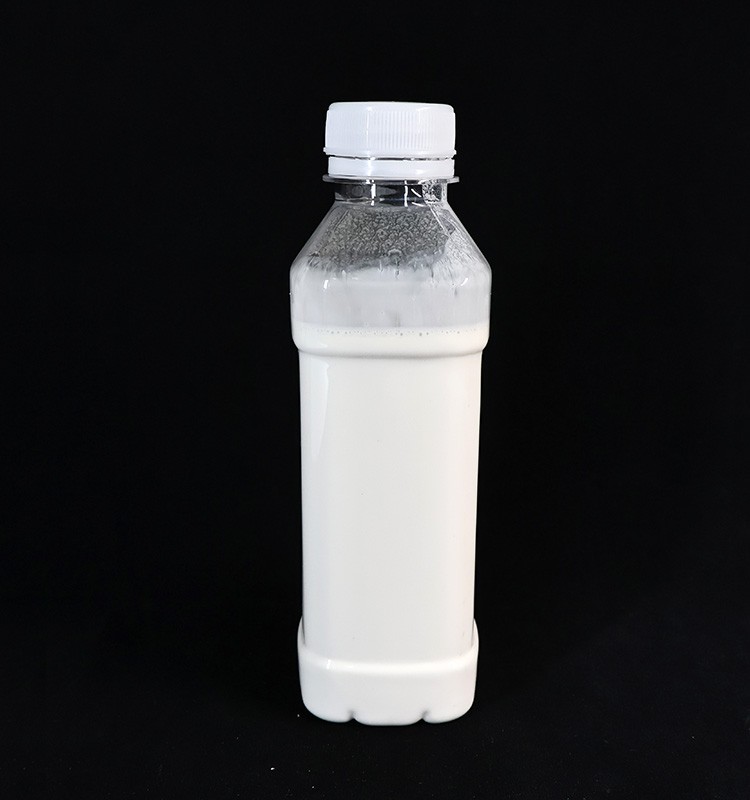
Vanadium often exists in the form of vanadium compounds in industrial processes such as petroleum refining and energy generation, which can cause serious damage to equipment. Vanadium inhibitors can undergo chemical reactions with vanadium compounds, reducing their activity by changing the chemical valence state of vanadium or forming new stable compounds. For example, in some catalytic cracking units, vanadium deposits on the catalyst surface, damaging the structure and active centers of the catalyst. After the reaction between vanadium inhibitors and vanadium compounds, the products generated are more likely to detach from the catalyst surface or form substances that have less impact on the catalyst activity, thereby reducing the toxic effect of vanadium on the catalyst, maintaining the activity and selectivity of the catalyst, and ensuring the normal progress of the catalytic reaction.
Vanadium inhibitors can alter the physical properties of vanadium compounds, such as melting point, boiling point, solubility, etc. Under high temperature conditions, vanadium compounds may exist in gaseous or liquid form, making them prone to deposition and scaling on equipment surfaces. Vanadium inhibitors can increase the melting and boiling points of vanadium compounds, keeping them in a solid state at high temperatures and reducing their fluidity and deposition tendency in equipment. At the same time, by changing the solubility of vanadium compounds to make them more soluble in specific media, it is easier to discharge them from the equipment and reduce the accumulation of vanadium inside the equipment. For example, in gas turbines, vanadium compounds will evaporate and deposit on key components such as turbine blades under the action of high-temperature gas, affecting the performance and lifespan of the equipment. After using vanadium inhibitors, the physical state of vanadium compounds can be changed, reducing their deposition on leaves.
Vanadium inhibitors can form a dense protective film on the surface of equipment. This protective film can isolate the direct contact between vanadium compounds and the metal surface of the equipment, preventing corrosion and wear caused by vanadium. The protective film has good adhesion and chemical stability, and can maintain its integrity for a long time in high temperature, high pressure, and corrosive environments. For example, in the heating furnace tube of petroleum refining, vanadium compounds will undergo chemical reactions with the metal on the tube wall, resulting in thinning and perforation of the tube wall. The protective layer formed by vanadium inhibitors can effectively block the contact between vanadium compounds and metals, extending the service life of heating furnace tubes.

 E-mail:jcl@jichanglong.com
 WhatsApp:+8618560709619
 Address:Block B, Polymer Materials Industry Innovation Park,No. 51, Lutai Avenue, High-tech Zone, Zibo City, Shandong Province
Our company specializes in vanadium inhibitors , dehumidification and drying block, calcium hypochlorite disinfectant tablet, polyacrylamide and other products. With over 20 years of experience, we offer quality assurance and wholesale prices.


