Vanadium in fuels has always been a headache in the fields of petroleum refining and energy generation. It not only corrodes equipment, reduces efficiency, but may also cause pollution to the environment. However, with the advancement of technology, a magical substance called vanadium inhibitor has emerged, which can effectively remove vanadium from fuel and become a powerful assistant for clean fuel utilization. So, how to remove vanadium from fuel?
The core function of vanadium inhibitors is to react chemically with vanadium compounds in fuel, generating high melting point, non corrosive ash. These ash contents are not easily melted at high temperatures, thus preventing vanadium from corroding the metal surface of the equipment. Taking magnesium oxide based vanadium inhibitors as an example, when vanadium pentoxide (V ₂ O ₅) produced by heavy oil combustion comes into contact with magnesium oxide, the two will react to form high melting point magnesium vanadate (MgV ₂ O ₆), which has a melting point of over 1350 ℃, much higher than V ₂ O ₅'s 690 ℃, thus forming a dense protective layer on the metal surface.
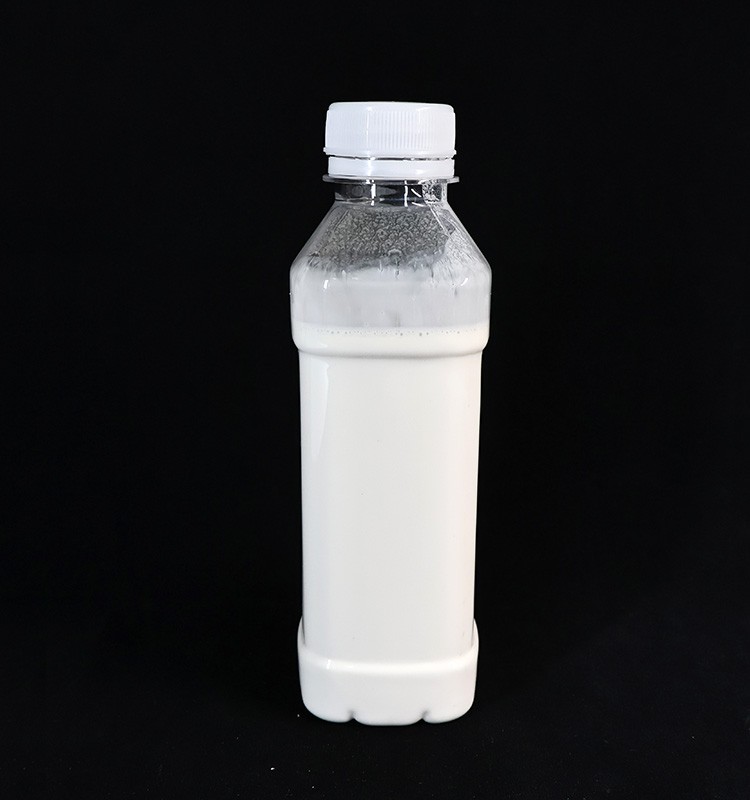
3. Ash discharge: As combustion progresses, a portion of the generated ash will be carried away by the airflow, providing a cleaning effect and reducing the accumulation of ash on the surface of the equipment.

 E-mail:jcl@jichanglong.com
 WhatsApp:+8618560709619
 Address:Block B, Polymer Materials Industry Innovation Park,No. 51, Lutai Avenue, High-tech Zone, Zibo City, Shandong Province
Our company specializes in vanadium inhibitors , dehumidification and drying block, calcium hypochlorite disinfectant tablet, polyacrylamide and other products. With over 20 years of experience, we offer quality assurance and wholesale prices.


