In the field of energy, the quality and composition of fuel have a crucial impact on the operational efficiency, service life, and production safety of equipment. Among them, the vanadium element contained in fuel is an issue that cannot be ignored. It can cause serious corrosion to equipment in high temperature environments, affecting the normal production process. In order to solve this problem, vanadium inhibitors have emerged as a key "magic weapon" for removing vanadium elements from fuels. So, how does vanadium inhibitor remove vanadium from fuel? Below is a detailed analysis for everyone.
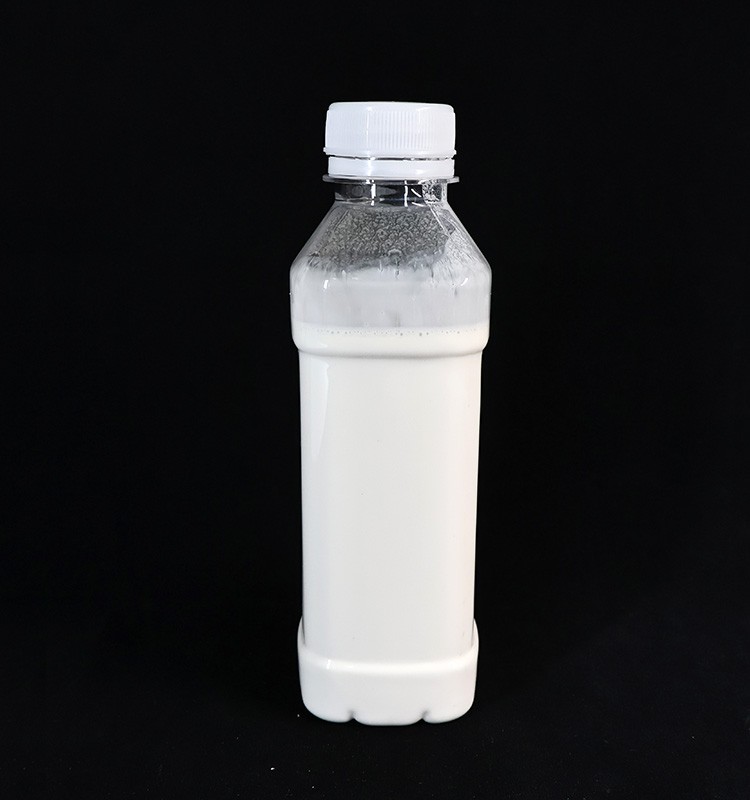
1. Chemical binding: The active ingredients in vanadium inhibitors, such as certain metal ions or organic compounds, can react chemically with vanadium compounds in fuels. For example, some vanadium inhibitors containing metal elements such as magnesium and calcium can combine with vanadium ions in vanadium compounds to form stable metal vanadate salts. These metal vanadate salts are not easily volatile during fuel combustion, thereby reducing the corrosion of equipment caused by vanadium in gaseous form.
2. Coordination reaction: Some functional groups in organic vanadium inhibitors can undergo coordination reactions with vanadium ions to form coordination compounds. This coordination effect changes the chemical properties of vanadium compounds, reducing their activity and making it difficult for them to participate in other harmful reactions to the equipment. For example, organic vanadium inhibitors containing functional groups such as carboxyl and amino groups can form stable coordination structures with vanadium ions, locking vanadium elements in the fuel.
1. Reduce solubility: Vanadium inhibitors can alter the solubility of vanadium compounds in fuel. By interacting with vanadium compounds, their solubility in fuel is reduced, resulting in the precipitation of vanadium elements. These sediments can be collected or filtered out during fuel combustion, thereby reducing the amount of vanadium entering the combustion chamber of the equipment.
2. Changing the melting point: It is also possible to change the melting point of vanadium compounds. Under high temperature conditions, the melting point changes of vanadium compounds can affect their deposition and corrosion behavior on equipment surfaces. Vanadium inhibitors reduce the corrosion risk of equipment by changing the melting point of vanadium compounds, making them less likely to deposit in liquid form on the equipment surface during combustion.
1. Physical barrier: During fuel combustion, some components of vanadium inhibitors may form a protective film on the surface of the equipment. This protective film can physically block direct contact between vanadium compounds and equipment surfaces, reducing the corrosion of vanadium elements on equipment. For example, some vanadium inhibitors containing high-temperature and corrosion-resistant materials can form a dense protective layer on the surface of equipment, effectively preventing the erosion of vanadium compounds.
2. Chemical protection: In addition to physical barriers, the protective layer may also have a certain chemical protection effect. It can react chemically with vanadium compounds, further reducing the corrosiveness of vanadium to equipment. For example, certain components in the protective layer can react with vanadium compounds to form stable compounds, thereby reducing the damage of vanadium to equipment.
1. Destruction of catalytic active centers: Vanadium compounds have catalytic effects in certain chemical reactions, which can accelerate harmful reaction processes to equipment. Vanadium inhibitors can inhibit the catalytic activity of vanadium compounds by binding to them and disrupting their catalytic active centers. For example, some vanadium inhibitors can bind to the active sites in vanadium compounds, causing them to lose catalytic activity and reducing corrosion and damage to equipment.
2. Changing the reaction pathway: The reaction pathway involving vanadium compounds can also be altered to make the reaction proceed in a direction that is harmless to the equipment. By changing the reaction pathway, vanadium inhibitors can reduce the negative impact of vanadium on equipment and ensure its normal operation.

 E-mail:jcl@jichanglong.com
 WhatsApp:+8618560709619
 Address:Block B, Polymer Materials Industry Innovation Park,No. 51, Lutai Avenue, High-tech Zone, Zibo City, Shandong Province
Our company specializes in vanadium inhibitors , dehumidification and drying block, calcium hypochlorite disinfectant tablet, polyacrylamide and other products. With over 20 years of experience, we offer quality assurance and wholesale prices.


