In the industrial field, the problems caused by vanadium elements and their compounds have always been a concern, especially in some high-temperature and high-pressure industrial processes. The presence of vanadium compounds may cause serious corrosion and damage to equipment, affecting the normal operation of production. To address this issue, vanadium inhibitors have emerged. Among them, vanadium inhibitor carboxylate, as an important type, has gradually entered people's field of vision. So, what are the characteristics and applications of vanadium inhibitor carboxylate salts? Below is a detailed introduction for everyone.
1. Structure and composition: Vanadium inhibitor carboxylate is a type of compound formed by the combination of carboxylate ions and metal ions (or other cations). Carboxylate ions have a unique chemical structure, and their carboxyl group (- COOH) can undergo various chemical reactions, making carboxylate salts soluble and chemically active in solution. For example, carboxylate salts formed from common carboxylic acids such as acetic acid and citric acid can interact with vanadium compounds in their molecular structure, thereby inhibiting the reaction of vanadium compounds.
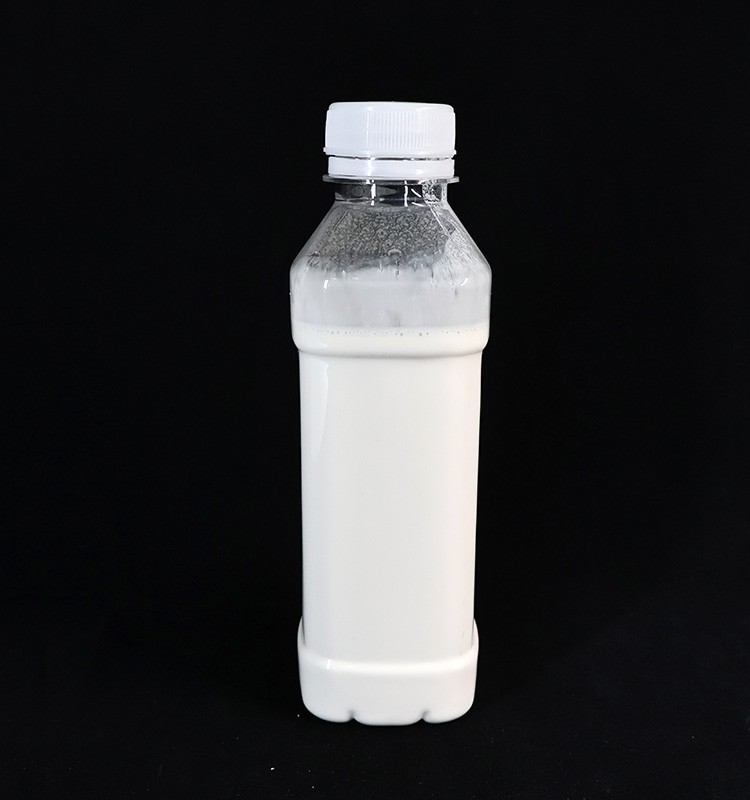
2. Stability: Vanadium inhibitor carboxylate exhibits different stability under different temperature and pH conditions. Generally speaking, in neutral or weakly alkaline environments, carboxylate salts have good stability and can effectively exert inhibitory effects. Under strong acidic or alkaline conditions, carboxylate salts may undergo hydrolysis and other reactions, leading to a decrease in their inhibitory performance. For example, when the environmental pH is too low, carboxylate ions may combine with hydrogen ions to form carboxylic acid molecules, thereby reducing their ability to bind with vanadium compounds.
2. Changing the physical properties of vanadium compounds: The presence of carboxylate salts can alter the physical properties of vanadium compounds, such as solubility, melting point, etc. By reducing the solubility of vanadium compounds and allowing them to precipitate in solution, the deposition and corrosion of vanadium compounds on equipment surfaces are reduced. Meanwhile, changing the melting point of vanadium compounds can also affect their behavior in high-temperature environments, reducing their damage to equipment.

 E-mail:jcl@jichanglong.com
 WhatsApp:+8618560709619
 Address:Block B, Polymer Materials Industry Innovation Park,No. 51, Lutai Avenue, High-tech Zone, Zibo City, Shandong Province
Our company specializes in vanadium inhibitors , dehumidification and drying block, calcium hypochlorite disinfectant tablet, polyacrylamide and other products. With over 20 years of experience, we offer quality assurance and wholesale prices.


