In many industrial scenarios such as heavy oil combustion and ship power, the corrosion problem caused by vanadium element is like a "time bomb", seriously threatening the stable operation and service life of equipment. Substances such as V ₂ O ₅ formed during the combustion of vanadium will react with the metal surface, leading to accelerated equipment damage. The emergence of vanadium inhibitors is like a "protective umbrella", providing critical support for equipment to resist vanadium erosion. So, how does vanadium inhibitor work? Below is a detailed explanation for you.
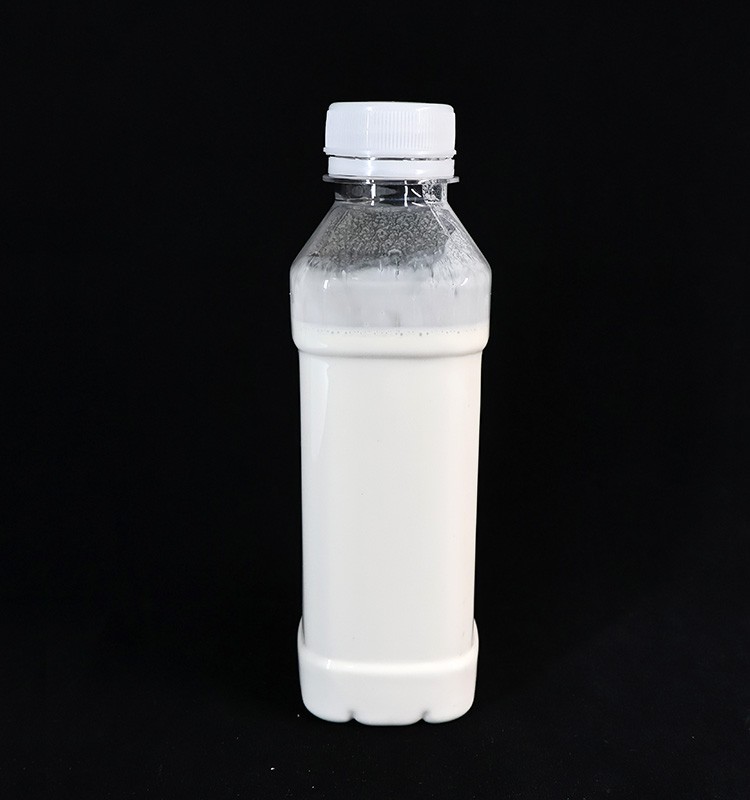
Vanadium inhibitors introduce highly active components such as magnesium and calcium oxides, which preferentially adsorb onto the active sites on the catalyst surface, forming a competitive adsorption layer. For example, in FCC units, MgO in vanadium inhibitors can occupy over 80% of the surface acidic centers, reducing the adsorption capacity of vanadium compounds (such as V ₂ O ₅) by 75%, thereby protecting catalyst activity.
The phosphate, silicate and other components in vanadium inhibitors can undergo complexation reactions with vanadium ions (VO ₂⁺, VO ∝⁻) to form stable compounds (such as Mg ∝ (VO ₄) ₂). This type of complex has a significantly higher melting point (>1200 ℃) than free vanadium compounds (V ₂ O ₅ melting point 690 ℃), which can effectively inhibit the migration and reaction of vanadium at high temperatures, and improve the thermal stability of the catalyst by 30%.
Vanadium inhibitors containing rare earth elements (such as CeO ₂) can reduce high activity V ⁵⁺ to low activity V ⁴⁺ through the redox cycle (Ce ⁴⁺/Ce ⁴⁺), while generating Ce ⁴⁺ - V ⁴⁺ complexes. This process can reduce the catalytic toxicity of vanadium by 60% and extend the catalyst life by 1.5 times in residue hydrocracking.

 E-mail:jcl@jichanglong.com
 WhatsApp:+8618560709619
 Address:Block B, Polymer Materials Industry Innovation Park,No. 51, Lutai Avenue, High-tech Zone, Zibo City, Shandong Province
Our company specializes in vanadium inhibitors , dehumidification and drying block, calcium hypochlorite disinfectant tablet, polyacrylamide and other products. With over 20 years of experience, we offer quality assurance and wholesale prices.


