With the continuous advancement of industrial production and water treatment technologies, various polymer materials are finding increasingly widespread application in sectors such as wastewater treatment, mineral processing, papermaking, petroleum extraction, and municipal engineering. Among these, polyacrylamide (PAM) is a common water-soluble polymer widely used across multiple industries due to its excellent properties in flocculation, thickening, drag reduction, and solid-liquid separation.
Polyacrylamide is not a single-purpose chemical product. Depending on factors such as ionic type, molecular weight, product structure, and specific process requirements, it can be utilized in diverse industrial production processes. While water treatment is one of its most significant application areas, its utility extends far beyond wastewater treatment alone. The following sections outline the primary uses of polyacrylamide across various industries and highlight key considerations for its application.
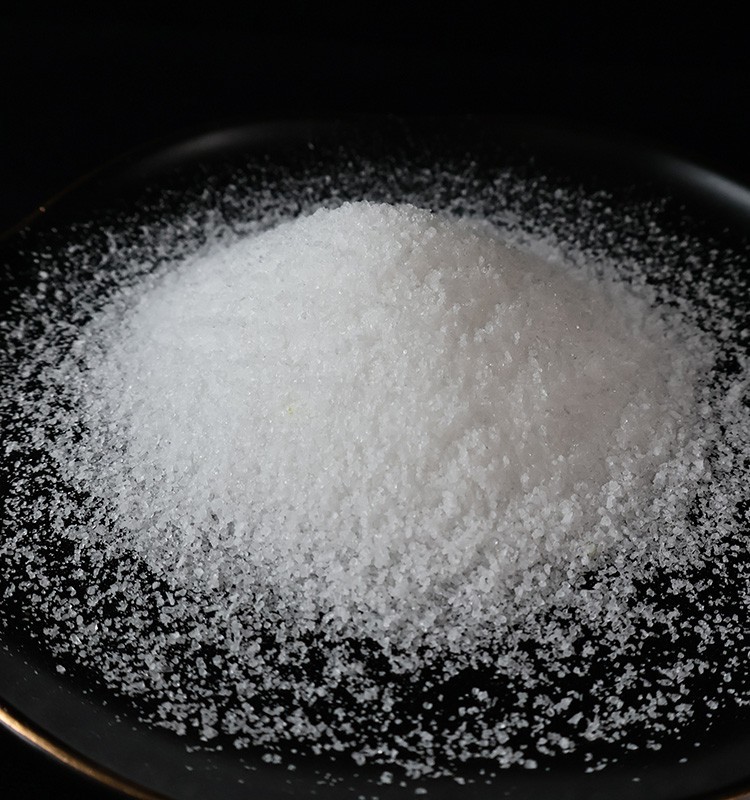
Polyacrylamide is a type of polymer formed through the polymerization of acrylamide-related monomers. It possesses excellent water solubility and facilitates the aggregation of fine particles in water into larger flocs through mechanisms such as adsorption and bridging by polymer chains.
Based on charge characteristics and application requirements, polyacrylamide is typically classified into four types: anionic, cationic, non-ionic, and amphoteric. Each type differs in its chemical structure and suitable application scenarios.
Therefore, selecting the right polyacrylamide product requires careful consideration of actual water quality, treatment processes, and industry-specific requirements; one cannot simply assume that a single type of PAM is suitable for every scenario.
Wastewater treatment is one of the most common applications for polyacrylamide. Industrial wastewater and municipal sewage typically contain significant amounts of suspended solids, colloidal particles, and other contaminants. Due to their minute size, some of these particles are difficult to separate rapidly from water through natural sedimentation.
Adding polyacrylamide under appropriate conditions promotes the aggregation of these fine particles into larger flocs, thereby facilitating subsequent processes such as sedimentation, filtration, or other solid-liquid separation methods. The primary roles of polyacrylamide (PAM) in wastewater treatment include: promoting the flocculation of suspended particles; enhancing sedimentation;
aiding solid-liquid separation; improving sludge dewatering efficiency; and optimizing the operational performance of certain wastewater treatment processes.
It is important to note that PAM primarily functions as an aid to flocculation and separation; it cannot remove all types of contaminants on its own. Therefore, in practical wastewater treatment systems, polyacrylamide is typically used in conjunction with processes such as coagulation, sedimentation, filtration, and biological treatment.
Sludge dewatering is another critical application of PAM. Wastewater treatment generates large quantities of sludge, which typically has a high water content. Transporting or disposing of this sludge directly results in excessive volume and increased treatment costs.
Polyacrylamide improves sludge dewatering performance by promoting the aggregation of sludge particles. Following proper conditioning with PAM, the water within the sludge is more easily separated using mechanical dewatering equipment.
Commonly used equipment includes plate-and-frame filter presses, belt filter presses, centrifuges, and screw press dewatering units. In actual operations, the appropriate type of PAM and dosage must be selected based on the specific characteristics of the sludge.
Improper selection of the chemical agent can lead to excessively small flocs and poor sedimentation, potentially even disrupting the operation of downstream dewatering equipment. Consequently, the use of PAM in sludge dewatering usually requires optimization through on-site testing.
Municipal wastewater originates from diverse sources and may contain domestic sewage, suspended particles, organic matter, and other pollutants. In municipal wastewater treatment plants, PAM serves as a flocculant or coagulant aid in specific treatment stages.
For instance, polyacrylamide can be utilized—depending on treatment requirements—during sludge thickening, sludge dewatering, and certain solid-liquid separation processes.
It helps improve the structure of sludge flocs, facilitating a smoother subsequent dewatering process. However, municipal wastewater treatment is a complex, integrated operation, and PAM acts merely as an auxiliary material within the overall treatment system.
Wastewater generated by different industrial processes varies significantly in quality. For instance, industries such as steel, mining, textiles, papermaking, food processing, and chemical manufacturing generate industrial wastewater with varying characteristics. Polyacrylamide (PAM) offers various types that can be selected based on specific water quality conditions for use in certain solid-liquid separation processes.
In industrial wastewater treatment, PAM commonly functions by facilitating the aggregation of suspended particles, making it easier to separate pollutants through sedimentation or filtration. For example, wastewater from the metal processing industry may contain large quantities of fine particles, while mining wastewater often contains mineral particles requiring solid-liquid separation. In such cases, the appropriate use of PAM can enhance flocculation performance.
The mining and mineral processing industries represent another significant application area for polyacrylamide. After ore undergoes crushing, grinding, and beneficiation, large volumes of slurry containing fine mineral particles are produced. If these particles remain suspended for extended periods, subsequent solid-liquid separation becomes more difficult. Polyacrylamide is used in various stages of mineral processing and tailings treatment to help fine particles form larger flocs, thereby accelerating sedimentation and separation.
Applications include: tailings thickening; slurry sedimentation; solid-liquid separation; beneficiation wastewater treatment; and mineral dewatering processes.
Proper use of PAM can improve the sedimentation characteristics of certain slurries and enhance water recovery efficiency. Since different minerals possess distinct surface properties, practical application usually requires testing to determine the optimal PAM grade and dosage.
Polyacrylamide is also essential in the papermaking industry. Paper production involves significant quantities of fibers, fillers, and fine particles.
Certain PAM products serve as additives during papermaking to improve fiber and fine-particle retention and flocculation.
Depending on the specific production process, PAM may also be used to optimize pulp handling and wastewater treatment. The papermaking industry has strict requirements regarding chemical purity, ionic type, and application conditions; therefore, the appropriate product must be selected based on the specific paper type and production process.
Polyacrylamide also holds significant value in the petroleum industry. One key application is its use as a polymer in enhanced oil recovery (EOR) processes. Under specific oilfield conditions, polyacrylamide solutions can alter the flow characteristics of injected water, thereby improving the underground fluid displacement process. This application is closely linked to reservoir conditions, temperature, salinity, and other operational parameters.
Consequently, the petroleum industry demands high standards regarding product performance and on-site adaptability when using PAM. Beyond oilfield production, polyacrylamide is also utilized in treating certain types of petroleum industry wastewater and in solid-liquid separation processes.
Using more PAM is not necessarily better. Insufficient dosage may fail to achieve the desired flocculation effect, while excessive dosage can increase costs and potentially impair floc formation and subsequent treatment performance.
Therefore, enterprises typically need to determine the appropriate dosage range through experimentation. In actual operations, attention must also be paid to the dissolution method and the point of dosing. Powdered PAM usually requires thorough dissolution before being dosed according to process specifications; inadequate preparation can lead to clumping, which reduces the chemical's utilization efficiency. Additionally, the storage time of the PAM solution must be managed in accordance with specific product characteristics and the supplier's technical guidelines.
As industrial water treatment, resource recovery, and environmental protection technologies continue to advance, polyacrylamide will remain a vital component in solid-liquid separation and industrial process treatment. Selecting the right product and applying it scientifically can help enterprises improve treatment efficiency while effectively managing chemical costs and operational performance.

 E-mail:jcl@jichanglong.com
 WhatsApp:+8618560709619
 Address:Block B, Polymer Materials Industry Innovation Park,No. 51, Lutai Avenue, High-tech Zone, Zibo City, Shandong Province
Our company specializes in vanadium inhibitors , dehumidification and drying block, calcium hypochlorite disinfectant tablet, polyacrylamide and other products. With over 20 years of experience, we offer quality assurance and wholesale prices.


