Fungicides are chemical agents that can effectively control or kill microorganisms (bacteria, fungi, algae, etc.) in water systems and agricultural environments, with the core function of preventing and controlling the invasion of pathogenic microorganisms.
Main classifications of fungicides
Classified by chemical structure:
Inorganic fungicides, such as sulfur powder, copper sulfate, Bordeaux mixture, etc., have a simple structure and are mostly used as protective agents.
Organic fungicides: including organic sulfur (mancozeb), organic phosphorus, azoles (pyruvic acid), and substituted benzenes, with a wide variety of types.
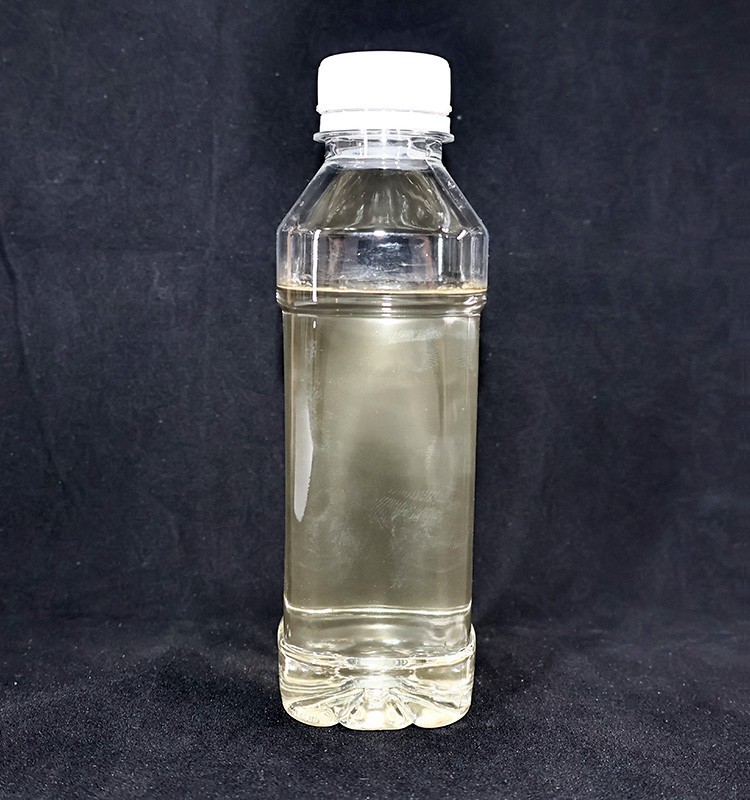
Antibiotics such as Jinggangmycin and Chunleimycin are derived from microbial metabolites.
Classified by mode of action:
Protective fungicides: Apply before the pathogen infects to prevent its invasion, such as Baijunqing and Daicen Zinc.
Therapeutic (systemic) fungicides: can be absorbed and transmitted by plants to eliminate invading pathogens such as carbendazim and metoclopramide.
Eradicative fungicide: directly kills pathogens that have invaded plants, such as sulfur compounds.
Classified by application field: divided into agricultural fungicides and industrial fungicides (used for water treatment, mold prevention, etc.).
Mechanism and Function of Action
Core function: Through protective, therapeutic, or eradication effects, inhibit the germination of pathogenic spores or kill bacterial cells, and restore plant health.
Mechanism of action:
Interfere with the respiratory process of pathogens and inhibit energy production.
Disrupting cell membrane structure or inhibiting cell wall synthesis.
Interference with the biosynthesis of living substances such as proteins and nucleic acids.
Attention to use: It is necessary to prescribe the medicine according to the type of disease, configure the concentration reasonably, and pay attention to rotating the use to delay the development of drug resistance.
Each type of fungicide needs to be selected based on environmental factors such as pH value, temperature, and organic content, while considering safety and residue issues. Compound schemes are often used in industrial applications to enhance efficacy and delay drug resistance. We currently have this type of product in our store. Our sodium chlorate disinfectant has high purity (99%) and excellent water solubility (1000g/L), making it suitable for various industrial scenarios. It is packaged in 50kg bags for easy transportation.

 E-mail:jcl@jichanglong.com
 WhatsApp:+8618560709619
 Address:Block B, Polymer Materials Industry Innovation Park,No. 51, Lutai Avenue, High-tech Zone, Zibo City, Shandong Province


